
 EN
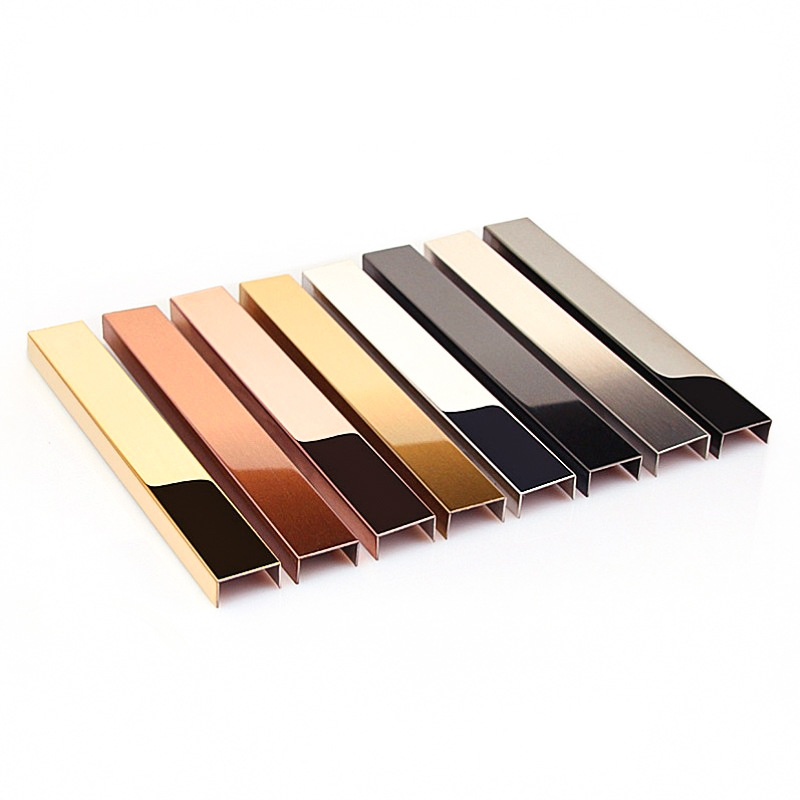
Furniture durability depends on multiple factors, but one of the most overlooked elements is edge protection. Exposed edges on tables, cabinets, shelves, and countertops face constant wear, moisture exposure, and impact damage that can compromise the entire structure. Stainless steel edge banding offers a proven solution by creating a protective barrier that shields vulnerable edges from physical damage, moisture infiltration, and environmental degradation. This industrial-grade protection transforms ordinary furniture into resilient pieces capable of withstanding years of daily use in demanding environments.
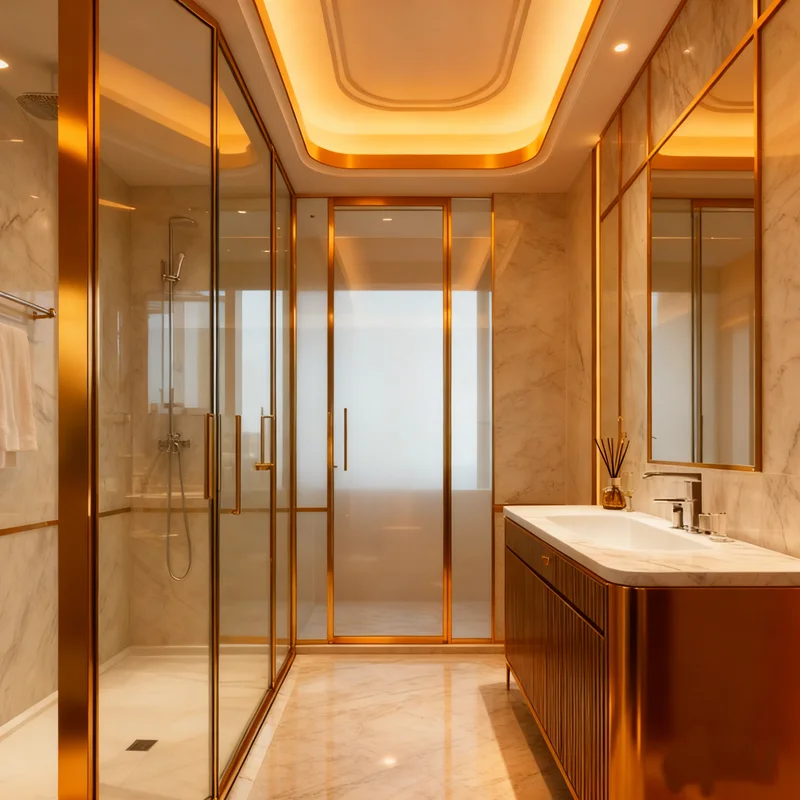
The application of stainless steel edge banding has become standard practice across furniture manufacturing, hospitality design, and commercial interior construction. Unlike traditional plastic or veneer edge solutions, stainless steel edge banding delivers superior strength, hygienic properties, and aesthetic flexibility. Understanding how stainless steel edge banding works, why it matters for durability, and where it delivers the greatest value helps designers, manufacturers, and facility managers make informed decisions that protect their furniture investments.
Understanding Stainless Steel Edge Banding Function
How Stainless Steel Edge Banding Protects Furniture Edges
Stainless steel edge banding acts as a physical and chemical barrier between the core furniture material and environmental hazards. When applied to wood, composite, or laminate edges, stainless steel edge banding prevents direct contact between the exposed substrate and water, humidity, harsh cleaning agents, and abrasive surfaces. This protection is critical because exposed edges absorb moisture rapidly, causing the core material to swell, warp, or deteriorate over time. The stainless steel edge banding seals these vulnerable areas completely, maintaining the structural integrity of the furniture piece.
The mechanical strength of stainless steel edge banding also protects against impact damage that occurs during daily use or transportation. Kitchen counters, laboratory benches, hospitality furniture, and commercial shelving frequently experience bumps, collisions, and abrasion that would chip or damage unprotected edges. Stainless steel edge banding absorbs these impacts, distributing force across its rigid surface rather than allowing damage to penetrate the softer substrate materials. This impact resistance extends furniture lifespan significantly in high-traffic environments.
Material Properties That Enhance Durability
Stainless steel edge banding offers exceptional corrosion resistance, a property that distinguishes it from standard metal edging options. The chromium content in stainless steel creates a passive oxide layer that prevents rust formation even in humid, wet, or chemical-rich environments. This corrosion resistance is especially valuable in kitchens, bathrooms, laboratories, and outdoor commercial spaces where traditional metals would oxidize and deteriorate. Stainless steel edge banding maintains its structural integrity and appearance regardless of environmental exposure.
The thermal stability of stainless steel edge banding means it resists warping, expansion, or dimensional changes across temperature fluctuations. In commercial kitchens, industrial facilities, and healthcare environments where temperature variations are common, stainless steel edge banding performs reliably without compromising fit or function. This dimensional consistency prevents gaps from forming between the edge banding and the substrate, eliminating pathways for moisture or contaminants to reach interior materials. The rigidity and thermal properties of stainless steel edge banding make it the preferred choice for critical applications.
Durability Benefits Across Furniture Applications
Residential and Commercial Kitchen Environments
Kitchen furniture and countertops face extreme durability challenges due to moisture, heat, food preparation activities, and regular cleaning with aggressive chemicals. Stainless steel edge banding protects kitchen cabinet edges, island perimeters, and countertop boundaries from these constant threats. The hygienic properties of stainless steel edge banding also align with food safety standards, preventing bacteria harboring in damaged edges that would occur with unsealed or degraded edge protection. Kitchen installations with stainless steel edge banding consistently outlast those without proper edge protection by years.
The aesthetic continuity of stainless steel edge banding appeals to modern kitchen design while delivering functional protection. Stainless steel edge banding complements contemporary appliances, fixtures, and materials while maintaining a professional, finished appearance. This combination of durability and design flexibility makes stainless steel edge banding a standard specification in residential kitchens, restaurant kitchens, and institutional food service facilities.
Commercial and Industrial Furniture Systems
Commercial furniture in offices, hospitality venues, healthcare facilities, and industrial settings endures continuous use, movement, and maintenance. Stainless steel edge banding protects shared furniture resources that face higher wear rates than residential pieces. Conference tables, workstations, laboratory benches, and utility shelving all benefit from stainless steel edge banding that prevents premature edge failure and maintains professional appearance. Commercial facilities report significantly lower replacement costs and maintenance issues when stainless steel edge banding protects furniture edges.
The durability provided by stainless steel edge banding reduces operational disruptions caused by furniture damage or deterioration. In healthcare environments, laboratories, and manufacturing facilities where furniture downtime has financial consequences, stainless steel edge banding minimizes failures that would require repair or replacement. The investment in proper edge protection with stainless steel edge banding delivers measurable cost savings through extended furniture lifespan and reduced maintenance requirements.
Installation and Maintenance Considerations
Application Methods for Optimal Performance
Proper installation of stainless steel edge banding is essential to achieve the durability benefits the material offers. Professional installation typically involves mechanical fastening or adhesive bonding methods that ensure the stainless steel edge banding remains securely attached throughout the furniture lifecycle. Quality adhesives specifically designed for metal-to-substrate bonding create waterproof seals that maximize the moisture-blocking benefits of stainless steel edge banding. Mechanical fasteners provide redundancy and allow for disassembly if modifications become necessary.
The edge preparation process significantly impacts how effectively stainless steel edge banding protects furniture. Substrate edges must be properly cut, sanded, and cleaned to ensure maximum surface contact between the stainless steel edge banding and the core material. Any gaps or incomplete coverage compromises the protective function of stainless steel edge banding, potentially creating pathways for moisture or contaminants. Professional installation processes ensure complete coverage and optimal adhesion throughout the stainless steel edge banding application.
Long-Term Maintenance and Performance
Stainless steel edge banding requires minimal maintenance compared to alternative edge protection solutions. Regular cleaning with mild detergent and soft cloths maintains the appearance of stainless steel edge banding while protecting its surface from aggressive residues. The non-porous nature of stainless steel edge banding prevents staining and bacterial growth that would compromise hygiene standards in sensitive environments. Periodic inspection of stainless steel edge banding edges ensures fasteners remain tight and adhesive bonds remain intact.
The superior durability of stainless steel edge banding means the protection lasts throughout the intended furniture lifecycle without degradation or failure. Unlike plastic or veneer edge solutions that crack, peel, or wear over time, stainless steel edge banding maintains its protective function for decades. This longevity represents exceptional value, particularly in commercial and institutional settings where furniture replacement costs are substantial. Furniture protected with stainless steel edge banding consistently outperforms competitors without comparable edge protection.
FAQ
What is the difference between stainless steel edge banding and plastic edge trim?
Stainless steel edge banding offers superior durability, corrosion resistance, and hygiene compared to plastic alternatives. While plastic edge trim is less expensive initially, it degrades, discolors, and cracks under UV exposure, heat, and impact. Stainless steel edge banding maintains structural integrity and appearance for decades, providing better long-term value despite higher upfront cost. In commercial and high-moisture environments, stainless steel edge banding is the only appropriate choice for reliable protection.
Can stainless steel edge banding be installed on existing furniture?
Yes, stainless steel edge banding can be retrofitted to existing furniture if the edges are properly prepared and accessible. The process requires careful removal of old edge protection, edge surface preparation, and professional adhesive or mechanical fastening application. Retrofit installation of stainless steel edge banding extends the lifespan of deteriorating furniture and upgrades protection for pieces transitioning to more demanding environments. Professional installation ensures retrofit applications achieve the same durability benefits as factory-applied stainless steel edge banding.
Is stainless steel edge banding suitable for all furniture types and environments?
Stainless steel edge banding performs exceptionally well in most residential and commercial environments, particularly those involving moisture, chemicals, heat, or high-use conditions. Kitchen furniture, bathroom vanities, laboratory benches, healthcare facility furniture, and commercial hospitality installations all benefit substantially from stainless steel edge banding protection. While stainless steel edge banding is more expensive than plastic alternatives, its superior durability makes it the cost-effective choice for any application where furniture longevity and hygiene matter significantly.