
 EN
EN
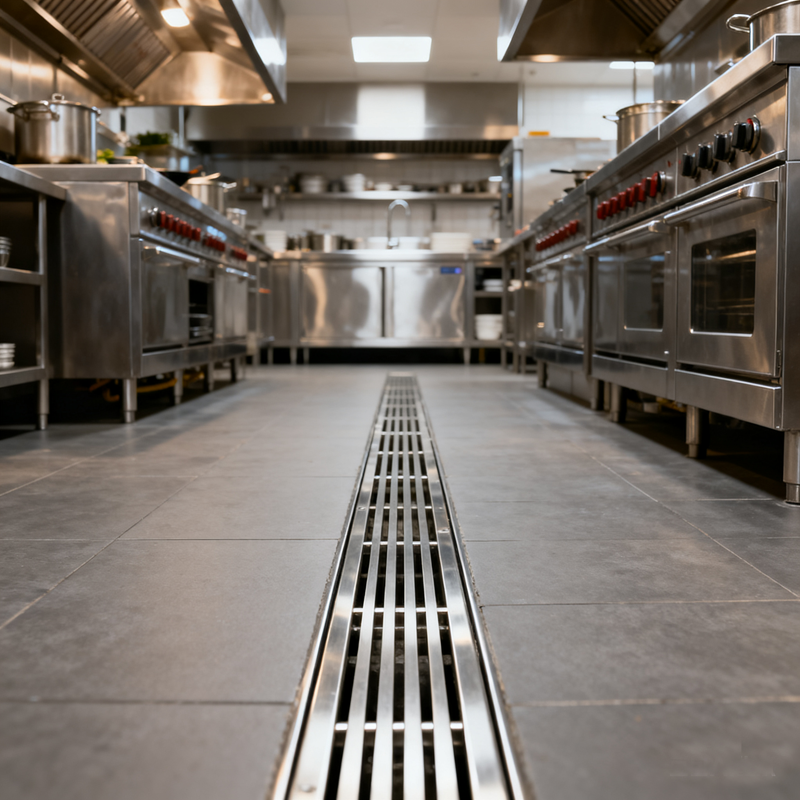
A linear drainage ditch represents a critical component in modern water management systems, designed to efficiently collect and channel surface water away from various environments. These engineered drainage solutions provide superior water flow control compared to traditional point drainage methods, making them essential for both residential and commercial applications. Understanding the mechanics and applications of a linear drainage ditch helps property owners and engineers make informed decisions about water management infrastructure.
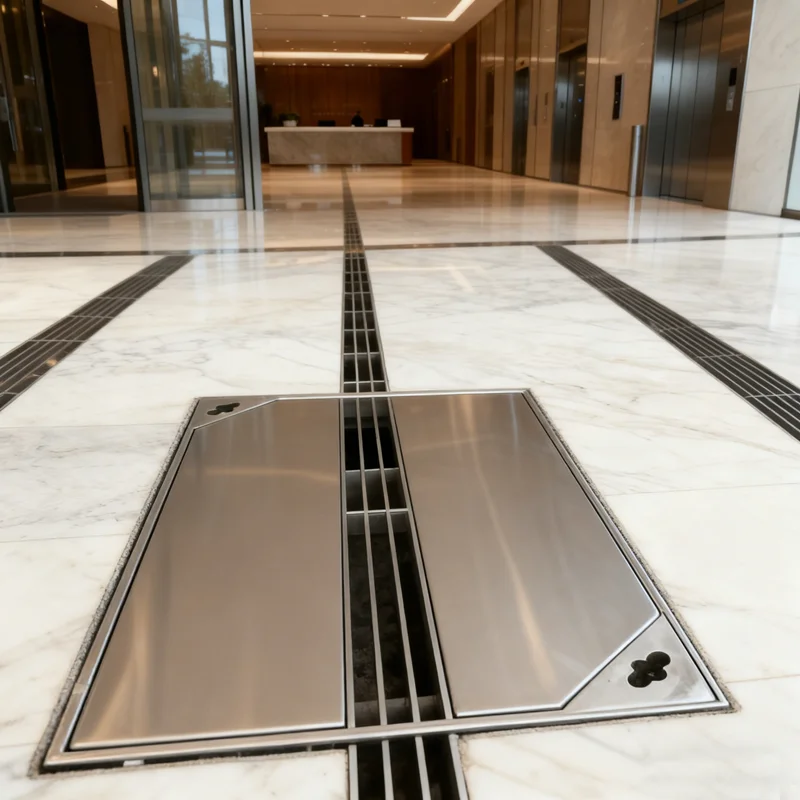
Understanding Linear Drainage Systems
Basic Components and Structure
The fundamental design of a linear drainage ditch incorporates several key elements that work together to create an effective water management solution. The primary channel serves as the main collection point, featuring sloped sides that direct water flow toward the central drain opening. High-quality materials such as polymer concrete, fiberglass, or stainless steel ensure durability and resistance to environmental factors. The grating system covers the channel while allowing water to enter, preventing debris accumulation while maintaining structural integrity.
Modern linear drainage ditch systems integrate seamlessly with existing infrastructure through carefully engineered connection points and outlet systems. The channel depth and width vary according to specific drainage requirements, with deeper channels accommodating higher water volumes during peak flow conditions. Professional installation ensures proper slope gradients, typically ranging from 0.5% to 2%, optimizing water flow velocity while preventing sediment buildup within the system.
Material Selection and Durability
Material choice significantly impacts the long-term performance and maintenance requirements of a linear drainage ditch system. Polymer concrete offers excellent chemical resistance and structural stability, making it ideal for industrial environments where harsh chemicals or heavy loads are present. Stainless steel channels provide superior corrosion resistance and maintain their appearance over extended periods, particularly valuable in architectural applications where aesthetics matter.
Fiberglass reinforced plastic presents lightweight installation advantages while maintaining structural strength comparable to traditional materials. The smooth interior surfaces of modern linear drainage ditch systems minimize friction losses and facilitate self-cleaning action during normal operation. UV-resistant materials ensure color stability and prevent degradation in outdoor installations exposed to direct sunlight.
Installation and Design Considerations
Site Preparation and Planning
Proper site preparation forms the foundation for successful linear drainage ditch installation and optimal performance. Accurate surveying determines the appropriate placement and slope requirements based on local topography and drainage patterns. Soil conditions influence excavation methods and may require additional stabilization measures in areas with poor load-bearing capacity. Underground utility locations must be identified and marked to prevent conflicts during installation procedures.
The design phase considers multiple factors including anticipated water volumes, peak flow rates, and connection points to existing drainage infrastructure. A well-designed linear drainage ditch system accounts for seasonal variations in precipitation and ensures adequate capacity for extreme weather events. Professional engineers calculate hydraulic requirements using established formulas and local rainfall data to determine optimal channel dimensions.
Integration with Building Systems
Modern construction projects increasingly incorporate linear drainage ditch systems as integral components of comprehensive water management strategies. Building codes and regulations influence design specifications, requiring compliance with local drainage standards and environmental protection measures. The integration process involves coordination between multiple trades including excavation, plumbing, and finishing contractors to ensure seamless installation.
Waterproofing considerations become critical when installing linear drainage ditch systems near building foundations or in areas where water infiltration could cause structural damage. Proper sealing techniques and membrane applications protect surrounding structures while maintaining drainage system effectiveness. Connection details between the linear drainage ditch and downstream collection systems require careful attention to prevent leaks or blockages.
Applications and Industry Uses
Commercial and Industrial Applications
Industrial facilities rely heavily on linear drainage ditch systems to manage process water, stormwater runoff, and chemical spills in manufacturing environments. Food processing plants utilize specialized linear drainage ditch designs that meet strict sanitary requirements while handling large volumes of wash water and cleaning solutions. The sloped channel design facilitates complete drainage and prevents standing water that could harbor bacteria or create slip hazards.
Loading docks and warehouse facilities benefit from linear drainage ditch installation to prevent water accumulation during weather events or cleaning operations. The continuous drainage line effectively captures water along the entire length of the protected area, unlike point drains that create potential pooling zones. Heavy-duty grating systems support forklift traffic and material handling equipment while maintaining drainage functionality.
Residential and Landscape Applications
Residential applications of linear drainage ditch systems focus primarily on protecting foundations, driveways, and outdoor living spaces from water damage. Pool decks and patio areas particularly benefit from the discrete appearance and efficient water removal capabilities of modern linear drainage ditch designs. The slim profile allows integration into decorative concrete or stone surfaces without compromising aesthetic appeal.
Landscape architects increasingly specify linear drainage ditch systems for managing surface water in urban environments and residential developments. Green infrastructure projects combine linear drainage ditch technology with bioretention systems to create sustainable stormwater management solutions. The linear design complements contemporary architectural styles while providing superior drainage performance compared to traditional methods.
Maintenance and Troubleshooting
Routine Maintenance Procedures
Regular maintenance ensures optimal performance and extends the service life of linear drainage ditch systems across all applications. Monthly visual inspections identify potential issues such as debris accumulation, grating damage, or settlement problems before they impact drainage effectiveness. Cleaning procedures involve removing leaves, sediment, and other materials that could obstruct water flow through the channel system.
Professional maintenance services utilize specialized equipment including high-pressure water jets and vacuum systems to thoroughly clean linear drainage ditch channels. Annual inspections by qualified technicians assess structural integrity, joint sealing, and connection points to identify maintenance requirements. Documentation of maintenance activities helps establish patterns and predict future service needs for budget planning purposes.
Common Issues and Solutions
Blockages represent the most common operational issue affecting linear drainage ditch systems, typically caused by debris accumulation or improper installation. Root intrusion from nearby vegetation can gradually reduce channel capacity and may require periodic removal using specialized cutting tools. Settlement of surrounding surfaces can alter drainage slopes and may necessitate releveling procedures to restore proper water flow.
Grating damage from heavy traffic or impact loading requires prompt replacement to maintain safety and drainage effectiveness. Modern linear drainage ditch systems utilize modular grating designs that simplify replacement procedures and minimize system downtime. Corrosion issues in harsh environments may indicate the need for material upgrades or protective coating applications to extend system service life.
Performance Benefits and Advantages
Efficiency and Capacity
The continuous collection design of a linear drainage ditch system provides significantly higher drainage efficiency compared to traditional point drain installations. Water capture occurs along the entire length of the channel, eliminating dead zones where standing water might accumulate during storm events. The hydraulic design optimizes flow velocity and capacity through carefully calculated channel dimensions and slope gradients.
Flow capacity calculations demonstrate that linear drainage ditch systems can handle substantially higher volumes per linear foot compared to multiple point drains covering the same area. The reduced number of connection points minimizes potential failure modes and simplifies maintenance requirements. Self-cleaning action during normal operation reduces sediment accumulation and maintains drainage capacity over extended periods.
Cost-Effectiveness and Longevity
Life-cycle cost analysis typically favors linear drainage ditch systems due to their durability and reduced maintenance requirements compared to traditional drainage methods. The modular design allows selective replacement of components without complete system reconstruction, minimizing repair costs and downtime. Material advances in polymer concrete and stainless steel construction provide service lives exceeding 50 years with proper maintenance.
Installation efficiency improves when using linear drainage ditch systems because fewer excavations and connections are required compared to multiple point drain installations. The continuous channel design reduces labor costs and installation time while providing superior drainage performance. Energy costs remain minimal since most linear drainage ditch systems operate through gravity flow without requiring pumps or mechanical components.
FAQ
How deep should a linear drainage ditch be installed
The installation depth of a linear drainage ditch depends on several factors including anticipated water volumes, local frost depth requirements, and connection requirements to downstream drainage systems. Typical residential installations range from 6 to 12 inches deep, while commercial and industrial applications may require depths up to 24 inches or more. Professional engineers calculate the optimal depth based on hydraulic requirements and local building codes to ensure adequate capacity and freeze protection.
What maintenance is required for linear drainage ditch systems
Regular maintenance for linear drainage ditch systems includes monthly visual inspections, quarterly cleaning to remove debris and sediment, and annual professional assessments of structural condition. High-pressure washing or vacuum cleaning removes accumulated materials that could impede water flow. Grating inspection ensures proper fit and structural integrity, with damaged sections requiring immediate replacement. Preventive maintenance significantly extends system life and maintains optimal drainage performance.
Can linear drainage ditch systems handle heavy vehicle traffic
Modern linear drainage ditch systems are engineered to support various load requirements including heavy vehicle traffic when specified with appropriate load ratings. Commercial-grade systems utilize reinforced channels and heavy-duty gratings designed for forklift traffic, delivery trucks, and industrial equipment. Load classifications range from pedestrian-only applications to airport runway specifications, with proper selection ensuring long-term durability under anticipated traffic conditions.
How do linear drainage ditch systems compare to traditional catch basins
Linear drainage ditch systems provide continuous water collection along their entire length, while traditional catch basins create point collection areas with potential for standing water between drain locations. The linear design typically requires fewer connections to downstream piping and reduces excavation requirements during installation. Maintenance access is simplified with linear systems, and the risk of complete blockage is reduced since water can enter at multiple points along the channel length.