
 EN
EN
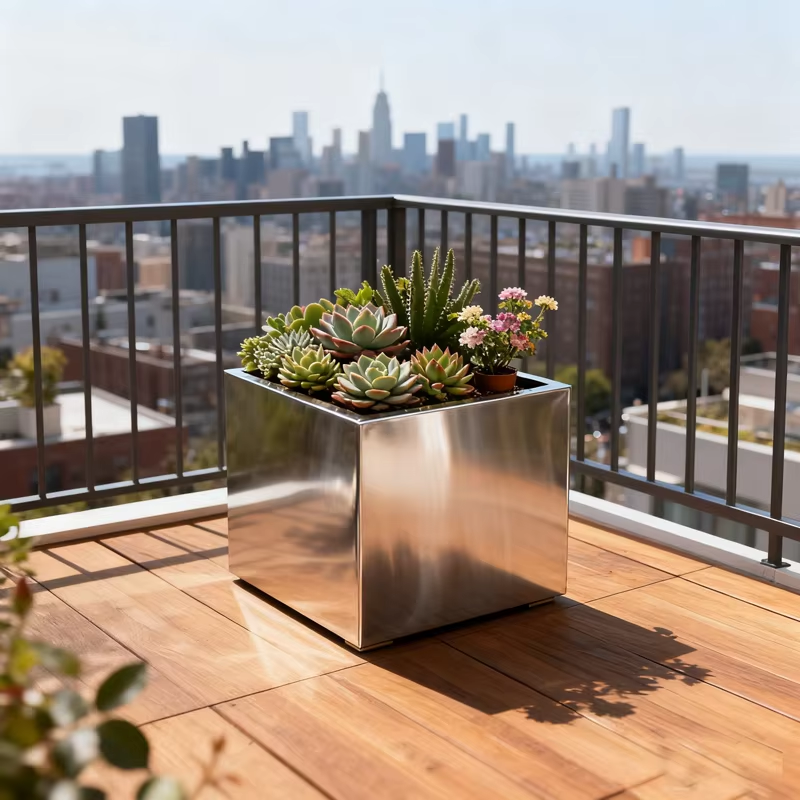
Modern interior design increasingly embraces the fusion of natural elements with contemporary materials, creating spaces that feel both sophisticated and alive. The integration of plants into residential and commercial environments has evolved beyond traditional ceramic containers, with designers and homeowners seeking more durable, versatile, and aesthetically pleasing solutions. The stainless steel flowerpot has emerged as a premium choice that perfectly balances functionality with modern design principles, offering unmatched durability while complementing today's sleek architectural aesthetics.
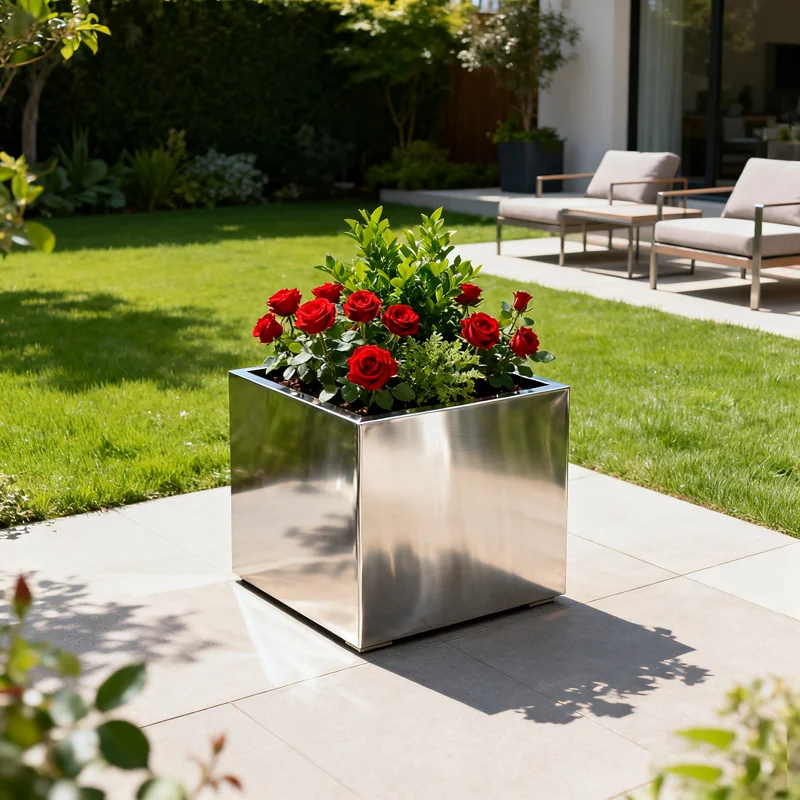
Contemporary Living Spaces and Metal Plant Containers
Open Plan Residential Applications
The open-concept living spaces that dominate modern residential design present unique opportunities for strategic plant placement using stainless steel containers. These environments benefit from the clean lines and reflective surfaces that a stainless steel flowerpot provides, creating visual continuity between kitchen appliances, bathroom fixtures, and living area accents. The neutral metallic finish acts as a bridge between different functional zones, allowing plants to serve as natural dividers without disrupting the overall design flow.
In contemporary homes, the stainless steel flowerpot serves multiple design functions beyond simple plant containment. The material's inherent strength allows for larger plant specimens that might overwhelm traditional ceramic or plastic containers. This structural advantage enables homeowners to incorporate statement plants like fiddle leaf figs, large palms, or architectural succulents that require substantial root systems and soil volumes.
Minimalist Design Integration
Minimalist interior design philosophy emphasizes clean geometry, reduced visual clutter, and materials that serve both functional and aesthetic purposes. The stainless steel flowerpot aligns perfectly with these principles, offering a container solution that disappears into the background while enhancing the natural beauty of the plants it contains. The material's ability to reflect ambient light helps create the illusion of expanded space, a crucial consideration in minimalist environments where every element must contribute to the overall sense of openness.
The precision manufacturing possible with stainless steel enables the creation of geometric forms that complement architectural elements like linear staircases, rectangular windows, and angular furniture pieces. Square, cylindrical, and custom-shaped containers can be seamlessly integrated into built-in shelving systems, window sills, and floor-standing arrangements that maintain the strict geometric discipline that minimalist design demands.
Commercial and Hospitality Environment Applications
Corporate Office Integration
Corporate environments increasingly recognize the importance of biophilic design elements in promoting employee wellness and productivity. The stainless steel flowerpot offers facilities managers a maintenance-friendly solution that withstands the demands of high-traffic commercial spaces while providing the green elements that research consistently links to improved cognitive performance and stress reduction. The material's resistance to scratches, dents, and staining makes it ideal for placement in reception areas, conference rooms, and open work environments where containers may experience regular interaction.
Professional office environments also benefit from the standardization possibilities that stainless steel containers provide. Unlike organic materials that show individual variations, stainless steel allows for consistent appearance across large installations, supporting corporate design standards and brand consistency. The ability to customize sizing, finish treatments, and even integrate corporate logos or branding elements makes the stainless steel flowerpot an extension of corporate identity rather than merely a functional accessory.
Restaurant and Hotel Design Applications
The hospitality industry demands plant containers that can maintain aesthetic appeal under challenging conditions including varying lighting, temperature fluctuations, and intensive cleaning protocols. Restaurants particularly benefit from stainless steel's food-safe properties and its compatibility with commercial kitchen environments where sanitation standards are paramount. The material's non-porous surface prevents bacterial growth and odor retention, crucial considerations in food service environments.
Hotel lobbies and guest room applications leverage the sophisticated appearance of stainless steel containers to create memorable first impressions while ensuring long-term durability under constant guest interaction. The material's ability to maintain its appearance without regular refinishing or replacement makes it a cost-effective choice for hospitality operators who must balance aesthetic appeal with operational efficiency.
Outdoor and Transitional Space Applications
Covered Patio and Balcony Environments
The boundaries between indoor and outdoor living continue to blur in contemporary design, creating opportunities for plant containers that can transition seamlessly between environments. The stainless steel flowerpot excels in covered outdoor spaces where traditional indoor containers might deteriorate due to temperature variations and humidity changes. Balconies, terraces, and covered patios benefit from containers that maintain their structural integrity and appearance despite exposure to elements like morning dew, temperature swings, and occasional direct moisture.
Urban outdoor spaces often feature challenging conditions including limited growing medium depth, wind exposure, and reflected heat from surrounding surfaces. The thermal properties of stainless steel help moderate soil temperature variations that can stress plant root systems, while the material's strength enables the construction of deeper containers that provide better growing conditions for substantial plantings.
Architectural Integration Features
Modern architectural design increasingly incorporates built-in planting solutions that require containers capable of integration with structural elements. The stainless steel flowerpot can be customized to fit specific architectural dimensions, enabling seamless integration with concrete planters, metal railings, and glass wall systems. This integration capability transforms plant containers from decorative accessories into architectural elements that contribute to the building's overall design narrative.
The ability to weld, bend, and machine stainless steel enables the creation of complex geometries that complement contemporary architectural features. Linear containers can follow the lines of modern staircases, curved forms can echo architectural arches, and modular systems can create living walls that integrate with building facades and interior partitions.
Material Properties and Design Advantages
Durability and Maintenance Considerations
The longevity of stainless steel containers represents a significant advantage in both residential and commercial applications where replacement costs and maintenance disruption must be minimized. Unlike materials that degrade over time due to UV exposure, moisture absorption, or chemical interactions with fertilizers, the stainless steel flowerpot maintains its structural and aesthetic properties throughout decades of use. This durability translates into reduced lifecycle costs and consistent appearance that supports long-term design integrity.
Maintenance requirements for stainless steel containers focus primarily on routine cleaning rather than repair or replacement. The non-reactive surface resists staining from plant nutrients, soil particles, and water minerals that can permanently discolor other container materials. Simple cleaning protocols using standard household or commercial cleaning products maintain the material's reflective properties and ensure continued compatibility with surrounding design elements.
Customization and Manufacturing Flexibility
The manufacturing characteristics of stainless steel enable unprecedented customization possibilities that allow designers to create containers perfectly suited to specific applications. Custom sizing eliminates the compromise often required when selecting from standard container offerings, enabling optimal plant growing conditions while meeting exact spatial requirements. Surface finish options range from mirror polished to brushed textures that can complement specific design schemes or architectural materials.
Advanced manufacturing techniques including laser cutting, precision welding, and formed construction enable the creation of complex shapes that would be impossible or prohibitively expensive in other materials. The ability to incorporate drainage systems, integrated water reservoirs, and mounting hardware during the manufacturing process creates solutions that address functional requirements while maintaining design elegance.
FAQ
What makes stainless steel flowerpots suitable for modern interior design
Stainless steel flowerpots complement modern interior design through their clean geometric lines, neutral metallic finish, and ability to reflect light, creating visual continuity with contemporary architectural elements and appliances. The material's durability and low maintenance requirements make it practical for high-traffic residential and commercial environments while supporting minimalist design principles that emphasize functional beauty.
How do stainless steel containers compare to ceramic or plastic alternatives
Stainless steel offers superior durability, resistance to cracking or breaking, and immunity to UV degradation that affects plastic containers. Unlike ceramic options that may chip or crack, stainless steel maintains structural integrity under impact and temperature variations. The material's non-porous surface prevents bacterial growth and odor retention, making it ideal for indoor environments where sanitation is important.
Can stainless steel flowerpots be used in outdoor environments
Stainless steel flowerpots excel in outdoor applications due to their corrosion resistance and structural stability under weather exposure. The material withstands temperature fluctuations, moisture exposure, and UV radiation without degrading, making it suitable for patios, balconies, and transitional indoor-outdoor spaces. Proper drainage design ensures optimal growing conditions while preventing water accumulation.
What customization options are available for stainless steel plant containers
Stainless steel manufacturing enables extensive customization including specific dimensions, geometric shapes, surface finishes, and integrated features like drainage systems or mounting hardware. Custom sizing ensures optimal fit for architectural spaces, while finish options from polished to brushed textures complement specific design schemes. Advanced fabrication techniques allow for complex forms and built-in functionality that addresses unique application requirements.