
 EN
EN
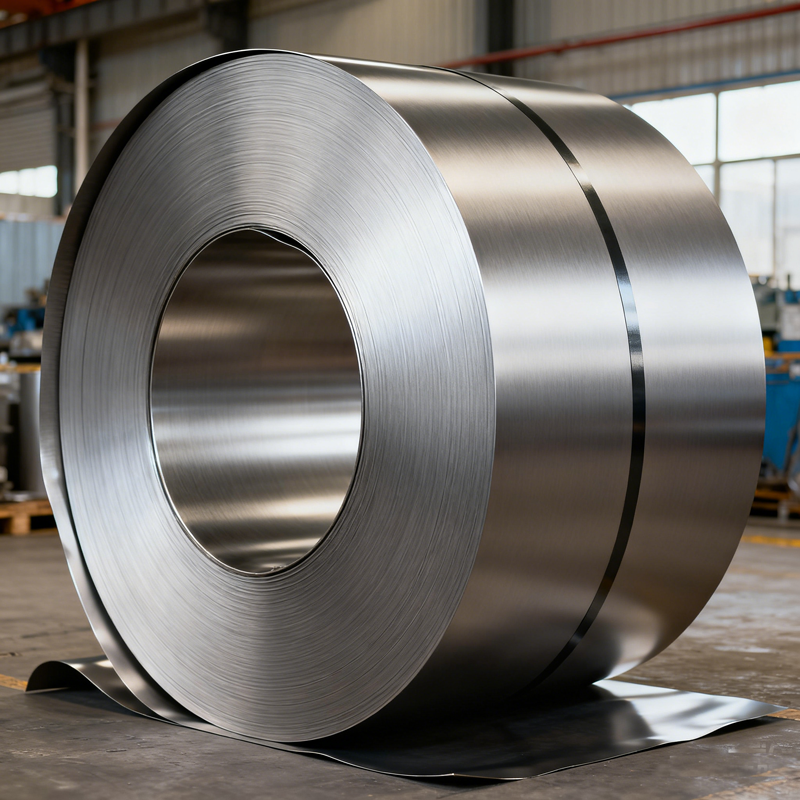
Stainless steel coil represents one of the most versatile and widely utilized forms of metal fabrication material across numerous industrial sectors. This continuous strip of corrosion-resistant alloy offers exceptional durability, formability, and aesthetic appeal that makes it indispensable for countless manufacturing applications. From automotive components to architectural elements, stainless steel coil provides the foundation for products that demand both strength and longevity in challenging environments.
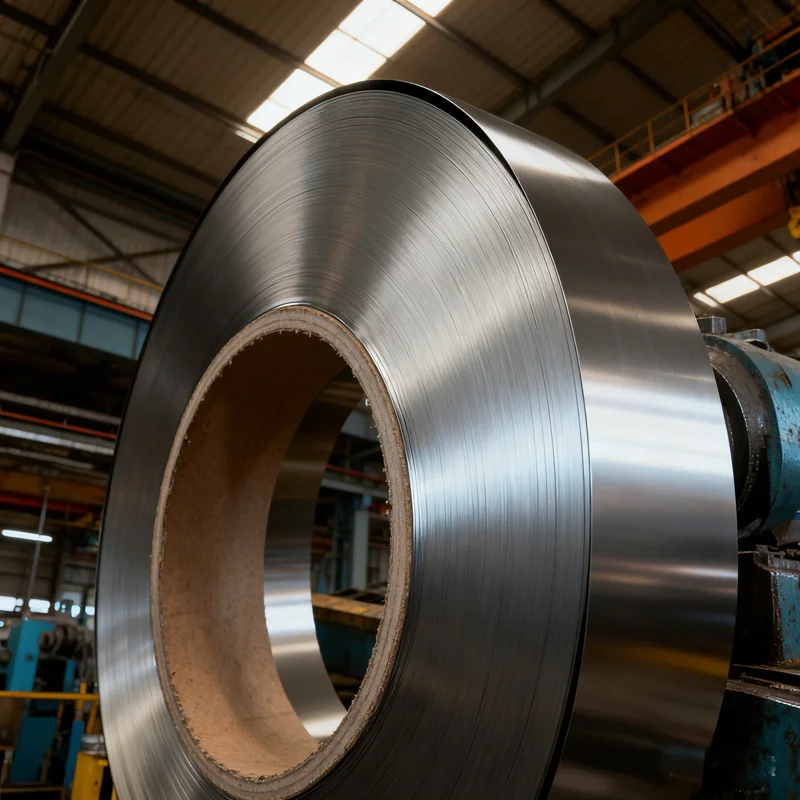
The manufacturing flexibility inherent in stainless steel coil allows fabricators to create complex shapes and configurations while maintaining the material's inherent properties. This adaptability stems from the controlled rolling process that produces consistent thickness and surface finish across the entire length of the coil. Engineers and designers frequently specify stainless steel coil when projects require materials that can withstand harsh operating conditions without sacrificing performance or appearance.
Automotive Industry Applications
Exhaust System Components
The automotive sector relies heavily on stainless steel coil for manufacturing exhaust system components that must endure extreme temperatures and corrosive exhaust gases. Exhaust pipes, mufflers, and catalytic converter housings benefit from the superior heat resistance and corrosion protection that stainless steel coil provides. The material's ability to maintain structural integrity at elevated temperatures makes it ideal for these demanding applications where failure could result in costly repairs or safety concerns.
Manufacturers often select specific grades of stainless steel coil based on the particular requirements of each exhaust component. The continuous nature of coil stock enables efficient production runs and consistent quality throughout the manufacturing process. This consistency proves crucial when producing components that must meet stringent automotive quality standards and emissions regulations.
Body Panel Formation
Modern automotive design increasingly incorporates stainless steel coil for forming decorative trim pieces and functional body panels. The material's excellent formability allows manufacturers to create complex curves and detailed features while maintaining surface quality. Stainless steel coil can be formed into door frames, window trim, and various aesthetic elements that enhance both appearance and durability.
The corrosion resistance of stainless steel coil proves particularly valuable in automotive applications where exposure to road salt, moisture, and environmental contaminants occurs regularly. Vehicle manufacturers appreciate the long-term performance benefits that reduce warranty claims and enhance customer satisfaction with their products.
Construction and Architecture
Roofing and Cladding Systems
Architectural applications of stainless steel coil have expanded significantly as designers recognize its aesthetic potential and practical benefits. Roofing systems fabricated from stainless steel coil offer exceptional weather resistance and longevity that far exceeds traditional materials. The continuous length available in coil form enables architects to specify large panels with minimal seams, creating cleaner visual lines and reducing potential leak points.
Building envelope applications benefit from the thermal properties and low maintenance requirements of stainless steel coil. The material's reflective properties contribute to energy efficiency while its resistance to weathering ensures that buildings maintain their appearance over decades of service. Fabricators can form complex architectural details from stainless steel coil while preserving the material's protective oxide layer.
Interior Design Elements
Interior designers increasingly specify stainless steel coil for creating custom fixtures, wall panels, and decorative elements that require both durability and visual appeal. The material's hygienic properties make it particularly suitable for healthcare facilities, food service establishments, and other environments where cleanliness is paramount. Stainless steel coil can be formed into complex shapes and finished with various surface textures to achieve specific design objectives.
The continuous nature of stainless steel coil enables the creation of seamless installations that eliminate joints and crevices where contaminants might accumulate. This characteristic proves especially valuable in pharmaceutical manufacturing, laboratory environments, and food processing facilities where strict hygiene standards must be maintained.
Industrial Equipment Manufacturing
Heat Exchanger Production
Industrial heat exchangers represent one of the most demanding applications for stainless steel coil, requiring materials that can withstand extreme temperatures while facilitating efficient heat transfer. The uniform thickness and surface finish achievable with stainless steel coil contribute directly to heat exchanger performance and longevity. Manufacturers can form complex tube configurations and plate assemblies from coil stock while maintaining precise dimensional tolerances.
The corrosion resistance of stainless steel coil proves essential in heat exchanger applications where aggressive chemicals or high-temperature fluids are processed. Different grades of stainless steel coil are selected based on specific operating conditions, with higher alloy content grades specified for the most challenging environments. The continuous manufacturing process ensures consistent material properties throughout each heat exchanger component.
Chemical Processing Equipment
Chemical processing industries depend on stainless steel coil for fabricating tanks, vessels, and piping systems that must resist corrosive chemicals while maintaining structural integrity. The material's passive oxide layer provides natural protection against most industrial chemicals, reducing maintenance requirements and extending equipment service life. Stainless steel coil can be formed into complex vessel configurations and welded to create leak-tight assemblies.
Process equipment manufacturers appreciate the consistent quality and mechanical properties available with stainless steel coil. The continuous production process ensures uniform grain structure and surface finish that contribute to reliable performance in critical applications. Specialized surface treatments can be applied to stainless steel coil to enhance specific properties required for particular chemical processing applications.
Food and Beverage Industry
Processing Equipment Fabrication
Food and beverage processing facilities require equipment fabricated from materials that meet strict sanitary standards while providing long-term durability. Stainless steel coil serves as the foundation for countless pieces of processing equipment, from mixing vessels to conveyor systems. The non-porous surface of stainless steel coil prevents bacterial growth and facilitates thorough cleaning procedures essential for food safety.
Equipment manufacturers can form complex geometries from stainless steel coil while maintaining the smooth surfaces required for sanitary applications. The material's resistance to acids, alkaline cleaning solutions, and high-temperature sanitizing procedures ensures that processing equipment remains functional throughout years of intensive use. Regulatory compliance becomes straightforward when equipment is fabricated from appropriately specified stainless steel coil grades.
Storage and Transportation Containers
Storage tanks, silos, and transportation containers in the food industry benefit from the inert properties and durability of stainless steel coil. The material does not impart flavors or odors to stored products, making it ideal for applications where product purity is essential. Large storage vessels can be fabricated from stainless steel coil with minimal welded seams, reducing potential contamination points and simplifying cleaning procedures.
Transportation containers formed from stainless steel coil provide secure, hygienic storage for liquid and bulk food products during shipping and handling. The material's strength-to-weight ratio enables the construction of lightweight containers that maximize payload capacity while maintaining structural integrity. Specialized surface finishes available with stainless steel coil can further enhance cleanability and product protection.
Energy Sector Applications
Power Generation Components
Power generation facilities utilize stainless steel coil for manufacturing critical components that must operate reliably under extreme conditions. Steam turbine components, heat recovery systems, and emission control equipment frequently incorporate stainless steel coil due to its high-temperature strength and oxidation resistance. The material's ability to maintain mechanical properties at elevated temperatures ensures reliable operation in demanding power plant environments.
Nuclear power applications require materials with exceptional purity and documented traceability, characteristics readily available with certified stainless steel coil grades. The consistent composition and mechanical properties achievable through controlled coil production processes meet the stringent requirements of nuclear regulatory authorities. Specialized testing and certification procedures ensure that stainless steel coil used in nuclear applications meets all applicable safety standards.
Renewable Energy Systems
Solar energy installations increasingly incorporate stainless steel coil for structural components, mounting systems, and reflective surfaces that must withstand decades of outdoor exposure. The material's corrosion resistance and low maintenance requirements make it cost-effective for large-scale solar installations where accessibility for maintenance may be limited. Stainless steel coil can be formed into complex profiles that optimize structural performance while minimizing material usage.
Wind energy applications benefit from the fatigue resistance and durability of stainless steel coil in components subjected to cyclic loading and environmental exposure. Tower components, nacelle housings, and various structural elements can be fabricated from stainless steel coil to ensure long-term reliability in harsh operating environments. The material's recyclability aligns with the sustainability goals of renewable energy projects.
Medical and Pharmaceutical Equipment
Surgical Instrument Manufacturing
Medical device manufacturers rely on stainless steel coil for producing surgical instruments that require exceptional sharpness, corrosion resistance, and sterilization compatibility. The fine grain structure achievable with properly processed stainless steel coil enables the creation of sharp cutting edges that maintain their performance through multiple sterilization cycles. Instrument manufacturers can form complex shapes and mechanisms from stainless steel coil while preserving the material's biocompatibility.
Specialized grades of stainless steel coil designed for medical applications provide enhanced corrosion resistance to bodily fluids and sterilization chemicals. The consistent quality and traceability available with certified medical-grade stainless steel coil ensures compliance with regulatory requirements for medical device manufacturing. Surface finishes can be optimized to minimize bacterial adhesion and facilitate thorough cleaning.
Laboratory Equipment Construction
Laboratory environments demand equipment fabricated from materials that provide chemical inertness, easy cleaning, and long-term durability. Stainless steel coil serves as the foundation for laboratory benches, fume hoods, and various analytical equipment housings that must resist chemical attack while maintaining dimensional stability. The non-porous surface of stainless steel coil prevents contamination and facilitates decontamination procedures.
Pharmaceutical manufacturing facilities require equipment that meets stringent cleanliness standards while providing reliable performance in demanding production environments. Stainless steel coil enables the fabrication of complex processing equipment with smooth surfaces that eliminate areas where contaminants might accumulate. The material's compatibility with aggressive cleaning and sterilization procedures ensures that equipment remains suitable for pharmaceutical production throughout its service life.
FAQ
What grades of stainless steel coil are most commonly used in industrial applications
The most frequently specified grades include 304, 316, and 316L stainless steel coil, each offering different levels of corrosion resistance and mechanical properties. Grade 304 provides excellent general-purpose performance for most applications, while 316 and 316L grades offer enhanced resistance to chlorides and acids. Specialty grades like 317L, 904L, and duplex alloys are selected for the most demanding chemical processing and marine environments where superior corrosion resistance is essential.
How does the coil form affect fabrication processes compared to sheet or plate
Stainless steel coil offers significant advantages in continuous production processes, enabling efficient roll forming, stamping, and automated fabrication operations. The continuous nature eliminates the need for frequent material handling and joining operations required with sheet stock. Coil processing also provides better material utilization and reduced waste compared to cutting individual sheets, particularly for long parts or high-volume production runs.
What surface finishes are available with stainless steel coil for specific applications
Standard mill finishes range from 2B (smooth, reflective) to 2D (matte, non-reflective), with specialized finishes like BA (bright annealed) and various textured surfaces available for specific applications. Electropolished finishes provide enhanced corrosion resistance and cleanability for pharmaceutical and food processing equipment. Custom finishes can be applied to achieve specific aesthetic or functional requirements, including patterns, textures, and protective coatings.
What quality certifications should be specified for critical applications
Critical applications typically require mill test certificates documenting chemical composition and mechanical properties, with additional certifications like NACE compliance for sour service or ASME specifications for pressure vessel applications. Medical and pharmaceutical applications may require USP Class VI certification or FDA compliance documentation. Nuclear applications demand extensive documentation including heat traceability and specialized testing to ensure material integrity and regulatory compliance.
Table of Contents
- Automotive Industry Applications
- Construction and Architecture
- Industrial Equipment Manufacturing
- Food and Beverage Industry
- Energy Sector Applications
- Medical and Pharmaceutical Equipment
-
FAQ
- What grades of stainless steel coil are most commonly used in industrial applications
- How does the coil form affect fabrication processes compared to sheet or plate
- What surface finishes are available with stainless steel coil for specific applications
- What quality certifications should be specified for critical applications