
 EN
EN
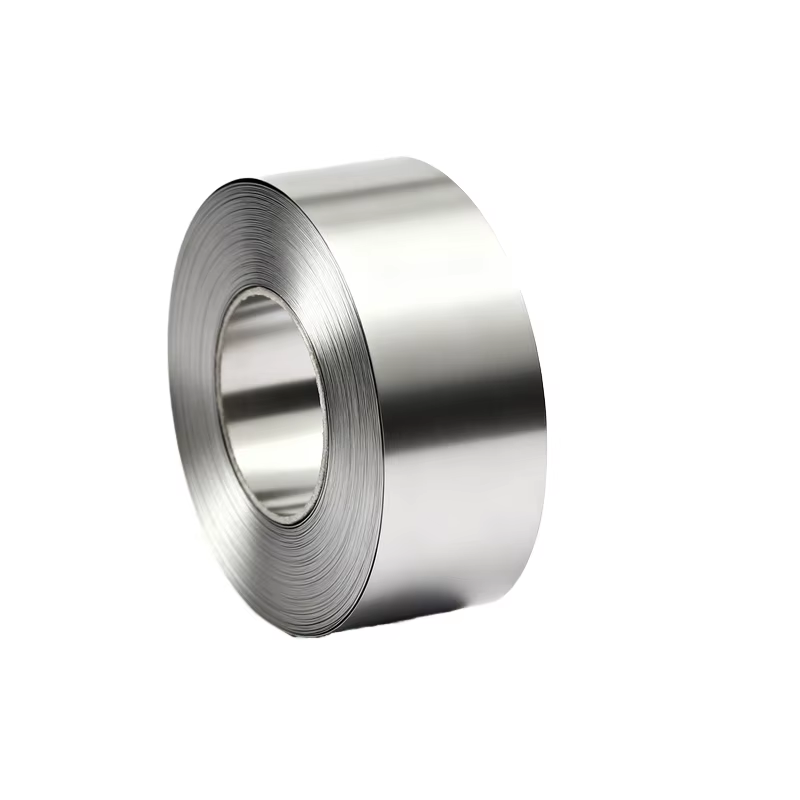
In the world of industrial materials, few substances command as much respect and widespread application as stainless steel. This remarkable alloy has revolutionized countless industries through its exceptional combination of strength, corrosion resistance, and aesthetic appeal. From towering skyscrapers to precision medical instruments, stainless steel continues to prove its worth as the material of choice for applications demanding superior durability and longevity.
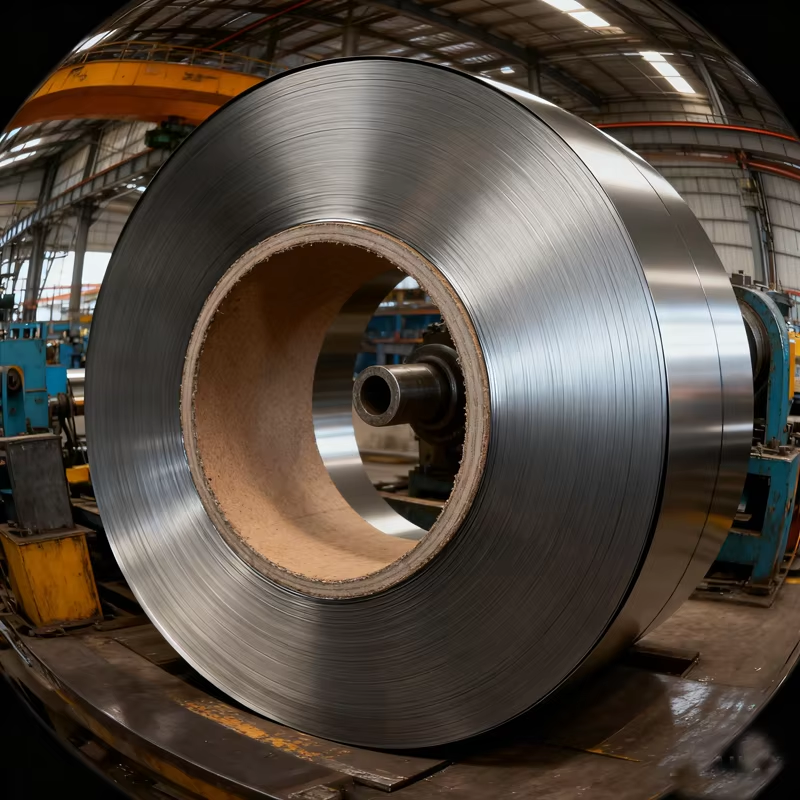
The preference for stainless steel in high-durability applications stems from its unique metallurgical properties that address the most challenging environmental and operational demands. Unlike conventional carbon steel, this specialized alloy incorporates chromium content that forms a passive oxide layer, effectively protecting the underlying material from oxidation and environmental degradation. This fundamental characteristic makes stainless steel an indispensable choice for engineers and designers seeking materials that can withstand decades of service without significant deterioration.
Fundamental Properties That Define Durability
Corrosion Resistance Mechanisms
The cornerstone of stainless steel durability lies in its remarkable resistance to corrosion, which occurs through a sophisticated metallurgical process. When chromium content exceeds 10.5 percent in the alloy composition, it reacts with oxygen to form a thin, invisible chromium oxide film on the surface. This passive layer continuously regenerates itself when damaged, providing self-healing properties that conventional materials simply cannot match. The effectiveness of this protection mechanism varies among different grades, with higher chromium content offering enhanced performance in aggressive environments.
Beyond chromium, modern stainless steel formulations incorporate additional alloying elements such as nickel, molybdenum, and titanium to further enhance corrosion resistance. These elements work synergistically to improve performance against specific corrosive agents, including chlorides, acids, and high-temperature oxidation. The strategic combination of these elements allows manufacturers to tailor stainless steel properties to meet the exact requirements of specific applications, from marine environments to chemical processing facilities.
Mechanical Strength Characteristics
The mechanical properties of stainless steel contribute significantly to its durability advantages in demanding applications. Austenitic grades, such as 304 and 316, offer excellent ductility and toughness while maintaining substantial tensile strength. This combination allows structures to absorb energy during dynamic loading conditions without catastrophic failure, making stainless steel ideal for earthquake-resistant construction and vibration-prone industrial equipment.
Martensitic and duplex stainless steel grades provide even higher strength levels, with yield strengths often exceeding those of conventional structural steels. These high-strength variants enable designers to reduce material thickness while maintaining structural integrity, resulting in weight savings and improved efficiency. The superior strength-to-weight ratio of stainless steel becomes particularly valuable in aerospace, automotive, and portable equipment applications where every pound matters.
Industrial Applications Driving Preference
Chemical Processing Industry
The chemical processing industry represents one of the most demanding environments for materials, where stainless steel has become the standard for critical components. Reactor vessels, piping systems, and storage tanks constructed from appropriate grades can withstand exposure to corrosive chemicals, elevated temperatures, and pressure cycling that would rapidly destroy alternative materials. The long-term reliability of stainless steel in these applications translates to reduced maintenance costs, minimized downtime, and enhanced safety for personnel and surrounding communities.
Specialized grades such as 904L and super duplex variants have expanded the boundaries of chemical resistance, enabling processes that were previously impossible or economically unfeasible. These advanced alloys can handle highly aggressive media, including concentrated acids, chloride solutions, and high-temperature oxidizing environments. The ability to specify the exact grade for specific chemical compatibility requirements allows process engineers to optimize equipment design for maximum durability and operational efficiency.
Food and Pharmaceutical Manufacturing
Hygiene and contamination control requirements in food and pharmaceutical industries have made stainless steel virtually irreplaceable in processing equipment design. The smooth, non-porous surface of properly finished stainless steel resists bacterial growth and facilitates thorough cleaning and sterilization procedures. This inherent cleanliness, combined with corrosion resistance to cleaning chemicals and sanitizers, ensures that equipment maintains its integrity throughout repeated cleaning cycles.
The durability of stainless steel in these applications extends beyond corrosion resistance to include resistance to thermal shock and mechanical wear. Processing equipment must withstand temperature variations during cleaning-in-place procedures, steam sterilization, and product changeovers. The thermal stability and low thermal expansion characteristics of stainless steel minimize stress-related failures and maintain dimensional accuracy critical for precision dosing and filling operations.
Environmental Performance Advantages
Marine and Coastal Applications
Marine environments present some of the most severe corrosion challenges, where saltwater exposure, humidity, and temperature fluctuations create ideal conditions for material degradation. Stainless steel grades specifically developed for marine applications, such as 316L and super austenitic variants, demonstrate exceptional resistance to pitting, crevice corrosion, and stress corrosion cracking in seawater environments. This performance advantage has made stainless steel indispensable for offshore platforms, marine hardware, and coastal infrastructure.
The long-term economic benefits of specifying marine-grade stainless steel become apparent when considering lifecycle costs rather than initial material expenses. While carbon steel alternatives may offer lower upfront costs, their rapid deterioration in marine environments necessitates frequent replacement, protective coating systems, and extensive maintenance programs. Stainless steel structures can operate for decades with minimal maintenance, providing superior return on investment for marine applications.
High-Temperature Performance
High-temperature applications reveal another dimension of stainless steel durability advantages, particularly in power generation, petrochemical processing, and industrial furnace applications. Heat-resistant grades maintain their mechanical properties and corrosion resistance at temperatures that would cause rapid oxidation and structural failure in carbon steels. The formation of protective oxide scales at elevated temperatures actually enhances the material's resistance to further oxidation, creating a self-protecting mechanism.
Advanced stainless steel grades designed for extreme temperature service incorporate specialized alloying elements that promote scale adherence and thermal stability. These materials can withstand thermal cycling, creep loading, and oxidizing atmospheres while maintaining dimensional stability and mechanical integrity. The reliability of stainless steel in high-temperature environments reduces the risk of catastrophic failures that could result in production shutdowns, safety incidents, and environmental releases.
Economic Considerations and Lifecycle Value
Total Cost of Ownership Analysis
While stainless steel typically commands higher initial material costs compared to carbon steel alternatives, comprehensive lifecycle cost analysis consistently demonstrates superior economic value for high-durability applications. The extended service life, reduced maintenance requirements, and minimal replacement frequency of stainless steel installations result in lower total cost of ownership over the equipment's operational lifetime. This economic advantage becomes more pronounced in applications where access for maintenance is difficult or where downtime costs are substantial.
The predictable performance characteristics of stainless steel enable more accurate lifecycle cost projections, facilitating better capital planning and budget management. Unlike protective coating systems that require periodic renewal, the inherent durability of stainless steel provides consistent performance throughout its service life. This reliability reduces the uncertainty associated with maintenance scheduling and replacement planning, allowing organizations to optimize their maintenance resources and minimize operational disruptions.
Sustainability and Environmental Impact
The sustainability profile of stainless steel contributes to its preference in applications where environmental responsibility is a priority. The material's exceptional durability reduces the frequency of replacement, minimizing resource consumption and waste generation over the equipment's lifetime. Additionally, stainless steel maintains its properties through multiple recycling cycles, with recycled content often exceeding 60 percent in new production without compromising performance characteristics.
The reduced maintenance requirements and extended service life of stainless steel installations contribute to lower environmental impact through decreased transportation, installation activities, and waste disposal. The elimination of protective coating systems also reduces the use of volatile organic compounds and hazardous materials associated with surface treatments. These environmental benefits align with corporate sustainability goals and increasingly stringent environmental regulations affecting industrial operations.
Design Flexibility and Aesthetic Considerations
Architectural and Structural Applications
The combination of durability and aesthetic appeal has made stainless steel a preferred material for architectural applications where appearance and longevity are equally important. The material's ability to maintain its appearance without protective coatings or regular maintenance makes it ideal for building facades, roofing systems, and decorative elements exposed to weathering. Various surface finishes, from mirror polish to brushed textures, provide architects with design flexibility while ensuring long-term performance.
Structural applications benefit from the high strength-to-weight ratio and corrosion resistance of stainless steel, enabling innovative designs that would be impractical with conventional materials. The material's ductility allows for complex forming operations, while its weldability ensures reliable joint integrity. These characteristics have enabled landmark architectural projects that combine structural efficiency with distinctive aesthetic appeal, demonstrating the versatility of stainless steel in demanding design applications.
Precision Manufacturing Requirements
Industries requiring precise dimensional tolerances and surface quality specifications increasingly rely on stainless steel for critical components. The material's stability under varying environmental conditions prevents dimensional changes that could affect equipment performance or product quality. Advanced processing techniques can achieve extremely tight tolerances and superior surface finishes, making stainless steel suitable for precision instruments, medical devices, and high-performance machinery.
The machinability and formability characteristics of stainless steel enable the production of complex geometries while maintaining dimensional accuracy. Modern CNC machining techniques can achieve intricate features and tight tolerances in stainless steel components, while advanced forming processes allow the creation of complex shapes without compromising material properties. This manufacturing flexibility, combined with exceptional durability, makes stainless steel an optimal choice for precision applications across multiple industries.
FAQ
What makes stainless steel more durable than regular steel in harsh environments
The superior durability of stainless steel stems from its chromium content, which forms a protective oxide layer that continuously regenerates when damaged. This passive layer provides excellent resistance to corrosion, oxidation, and environmental degradation that rapidly affects regular carbon steel. Additional alloying elements like nickel and molybdenum further enhance performance in specific aggressive environments, making stainless steel capable of withstanding conditions that would quickly destroy conventional steel materials.
How does the cost of stainless steel compare to alternatives over time
While stainless steel has higher upfront costs, its exceptional longevity and minimal maintenance requirements typically result in lower total lifecycle costs compared to alternatives. Carbon steel structures require protective coatings, regular maintenance, and frequent replacement in corrosive environments, while stainless steel installations can operate for decades with minimal intervention. The reduced downtime, maintenance costs, and replacement frequency make stainless steel more economical for long-term high-durability applications.
Which industries benefit most from stainless steel durability properties
Chemical processing, food and beverage production, pharmaceutical manufacturing, marine applications, and power generation industries derive the greatest benefits from stainless steel durability. These sectors face aggressive environmental conditions, strict hygiene requirements, or high-temperature operations where material failure could result in significant safety, environmental, or economic consequences. The reliability and performance consistency of stainless steel make it essential for critical applications in these demanding industries.
Can stainless steel maintain its properties in extreme temperature conditions
Yes, specialized heat-resistant stainless steel grades are specifically designed to maintain their mechanical properties and corrosion resistance at elevated temperatures. These alloys can withstand thermal cycling, oxidizing atmospheres, and creep loading while retaining structural integrity. The formation of protective oxide scales at high temperatures actually enhances oxidation resistance, making stainless steel suitable for furnace components, power plant equipment, and other extreme temperature applications where conventional materials would fail rapidly.
Table of Contents
- Fundamental Properties That Define Durability
- Industrial Applications Driving Preference
- Environmental Performance Advantages
- Economic Considerations and Lifecycle Value
- Design Flexibility and Aesthetic Considerations
-
FAQ
- What makes stainless steel more durable than regular steel in harsh environments
- How does the cost of stainless steel compare to alternatives over time
- Which industries benefit most from stainless steel durability properties
- Can stainless steel maintain its properties in extreme temperature conditions