
 EN
EN
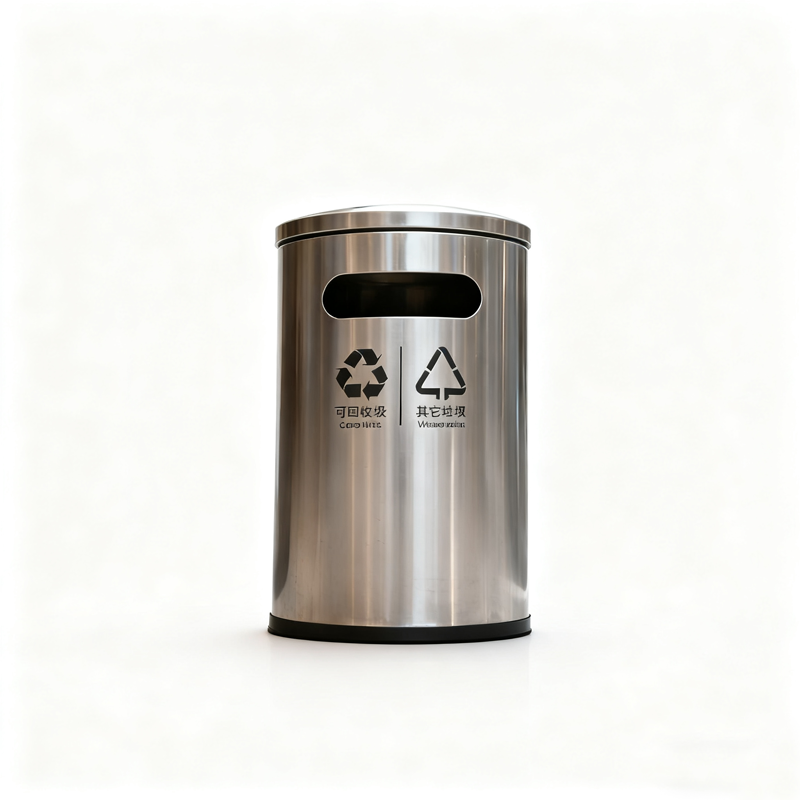
When it comes to outfitting a kitchen for long-term functionality and hygiene, the choice of waste bin matters more than most people expect. A stainless steel trash can consistently stands out as the superior option compared to plastic or coated alternatives. From professional commercial kitchens to compact home cooking spaces, the material and design of a waste bin directly affect cleanliness, durability, and the overall feel of the environment. Understanding why stainless steel performs better in kitchen settings requires looking at the specific demands that kitchens place on everyday equipment.
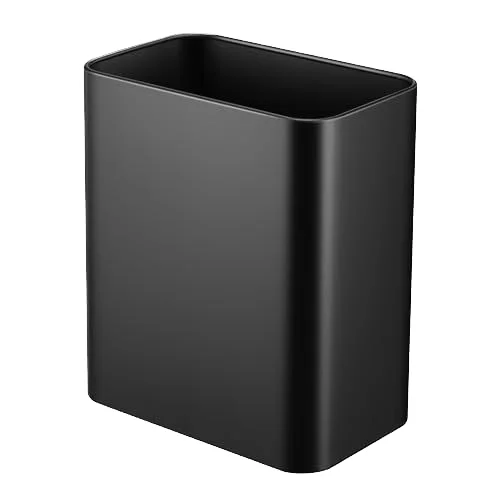
Kitchens generate a unique combination of food waste, moisture, grease, and odor that challenges the performance of most materials. A stainless steel trash can is engineered to handle precisely these conditions without degrading over time. Its non-porous surface, natural resistance to rust and bacterial growth, and structural resilience make it a practical investment that pays off through years of reliable use. This article examines the specific reasons why stainless steel outperforms other materials in kitchen waste management and what buyers should consider when choosing the right unit for their space.
The Hygienic Advantage of Stainless Steel in Kitchen Environments
Non-Porous Surface Prevents Bacterial Buildup
One of the most critical concerns in any kitchen is microbial contamination. Food scraps, liquid residue, and organic matter create an ideal breeding ground for bacteria if surfaces are porous or difficult to clean. A stainless steel trash can features a smooth, non-porous exterior and interior that does not absorb odors, liquids, or microscopic particles. This makes routine cleaning faster and far more effective than cleaning textured plastic bins where bacteria can settle into surface grooves.
In professional food service environments, this property is not a minor benefit — it is a compliance requirement. Hygiene standards in commercial kitchens often mandate the use of materials that can be sanitized quickly and thoroughly. A stainless steel trash can meets these standards naturally, making it the preferred choice in restaurants, catering operations, and food preparation facilities worldwide.
Even in home kitchens, the non-porous nature of stainless steel reduces the lingering presence of odors between cleanings. Unlike plastic, which can absorb smells from fish, meat, or fermented food waste, stainless steel releases residue cleanly when wiped or rinsed. This keeps the kitchen smelling fresher and reduces the frequency of deep cleaning required.
Odor Containment and Surface Integrity Over Time
Plastic bins are prone to developing a persistent odor over months of use because microscopic scratches accumulate on the interior surface, trapping particles that standard cleaning cannot fully remove. A stainless steel trash can retains its surface integrity far longer, meaning that the same cleaning effort produces consistently better results throughout the bin's lifespan. This is particularly important in kitchens where the bin is used dozens of times per day.
The natural properties of stainless steel also make it less susceptible to chemical interactions with cleaning agents. Strong disinfectants and kitchen degreasers that might stain, warp, or degrade plastic surfaces can be safely used on a stainless steel trash can without risk of surface damage. This compatibility with industrial cleaning products gives kitchen operators greater flexibility in maintaining high hygiene standards.
Durability and Long-Term Value in Daily Kitchen Use
Resistance to Physical Wear and Impact
Kitchen environments are physically demanding. Bins get knocked, bumped, kicked, and overloaded on a daily basis. Plastic bins crack, chip, or warp under repeated mechanical stress, especially in high-traffic commercial settings. A stainless steel trash can is significantly more resistant to impact and deformation, maintaining its structural shape even after years of heavy use. This durability reduces the frequency of replacement and lowers the total cost of ownership over time.
The gauge and grade of stainless steel used in quality trash cans are selected specifically to balance weight with structural rigidity. The result is a bin that holds its shape under load, keeps its lid aligned properly, and does not develop cracks or weak points at stress areas like handles, hinges, or base edges. For operators managing multiple bins across a large kitchen or food service facility, this structural reliability reduces maintenance demands considerably.
For smaller kitchen spaces, slim rectangular designs in stainless steel offer the same durability advantages while fitting efficiently along walls or under counters. A compact stainless steel trash can designed for tight spaces still carries the material benefits of a larger unit, making it a smart choice for apartment kitchens, office pantries, or catering prep areas where floor space is limited.
Corrosion Resistance in Moisture-Heavy Settings
Kitchens are inherently wet environments. Splashes from sinks, steam from cooking, and the moisture content of food waste all expose bins to sustained humidity. Materials that are not corrosion-resistant will rust, stain, or structurally degrade over time. A stainless steel trash can is formulated with chromium content that creates a passive oxide layer on the surface, protecting the metal from rust and corrosion even under prolonged exposure to moisture.
This corrosion resistance is especially valuable in kitchens where the bin is placed near a dishwasher, sink, or cooking station. The bin's exterior remains clean-looking and structurally sound without the rust stains that would appear on coated metal alternatives once the coating chips or scratches. Long-term, this means a stainless steel trash can maintains both its appearance and its structural function without the need for protective treatments or early replacement.
Aesthetic Fit and Professional Appearance in Kitchen Design
Neutral, Timeless Visual Appeal
Kitchen design has become an increasingly important consideration for both residential and commercial buyers. A stainless steel trash can carries a neutral, professional aesthetic that complements virtually any kitchen style — modern minimalist, industrial, professional chef, or clean contemporary. The brushed or polished finish of stainless steel aligns naturally with appliances, fixtures, and countertops that are already commonly made from the same material.
In commercial food service settings, the visual consistency of stainless steel equipment, including waste bins, contributes to an environment that signals cleanliness and professionalism. For open kitchen concepts where equipment is visible to customers, this matters. A stainless steel trash can avoids the dated or cheap appearance that plastic bins can project, reinforcing the overall quality perception of the space.
For home kitchens, the timeless nature of stainless steel means the bin will not look out of place as the kitchen is updated or redesigned over time. Unlike bins made in trendy colors or patterns, a stainless steel trash can remains visually relevant across changing design trends, making it a long-term aesthetic investment as well as a functional one.
Space-Efficient Designs Without Sacrificing Capacity
Modern stainless steel trash can designs are available in slim, rectangular, and wall-adjacent profiles that maximize usable floor space. This is particularly relevant for kitchen environments where every square foot has a function. A slim rectangular stainless steel trash can placed against a cabinet base or fitted into a corner contributes to a clean, organized kitchen layout without requiring compromises on waste capacity.
The rigidity of stainless steel allows manufacturers to design bins with thinner walls than would be structurally viable in plastic, which means a stainless steel trash can can offer greater interior volume relative to its external footprint. For busy kitchens that generate substantial food waste, this efficiency in design ensures that the bin performs well without dominating the workspace.
Environmental and Practical Sustainability of Stainless Steel
Longer Product Lifespan Reduces Material Waste
From a sustainability perspective, the durability of a stainless steel trash can directly reduces environmental impact. A single stainless steel unit may last ten or more years under typical kitchen conditions, whereas plastic bins often need replacement within two to four years due to cracking, warping, or irreversible odor absorption. Fewer replacements mean less material waste entering the supply chain and ultimately less waste being discarded.
This longevity also has clear economic implications for operations that manage fleets of kitchen equipment. Purchasing a stainless steel trash can at a higher initial cost delivers a lower cost-per-year of use compared to cheaper alternatives that require frequent replacement. For procurement managers in hospitality, healthcare catering, or institutional food service, this total-cost calculation strongly favors stainless steel.
Recyclability and Material Responsibility
Stainless steel is one of the most recyclable materials in industrial manufacturing. At the end of its usable life, a stainless steel trash can can be fully melted down and repurposed without significant material degradation. This closed-loop recyclability makes it a more environmentally responsible material choice than plastic, which often downcycles into lower-grade applications or ends up in landfill.
For businesses operating under environmental responsibility frameworks or purchasing policies that favor sustainable materials, specifying a stainless steel trash can aligns with broader organizational commitments. The material's combination of durability and recyclability places it in a favorable position relative to alternatives that offer neither the lifespan nor the end-of-life recyclability that stainless steel provides.
As consumer and operator awareness of material sustainability grows, the decision to use a stainless steel trash can reflects a practical alignment between daily operational needs and longer-term environmental values. It is not merely a premium choice — it is an informed one backed by material performance data and lifecycle analysis.
FAQ
Is a stainless steel trash can suitable for small kitchen spaces?
Yes. Many stainless steel trash can designs are specifically made in slim, rectangular profiles that fit along walls, under counters, or in narrow cabinet-adjacent spaces. These compact designs retain all the hygiene and durability benefits of standard-sized stainless steel bins while minimizing the floor space they occupy, making them well-suited to apartment kitchens, office pantries, or small professional prep areas.
How do you clean and maintain a stainless steel trash can?
Routine cleaning involves wiping the exterior with a damp cloth and a mild detergent or stainless steel cleaner. The interior can be rinsed and sanitized with standard kitchen disinfectants. To prevent surface streaking, wipe in the direction of the steel grain. Avoid steel wool or abrasive pads, which can scratch the surface. Regular cleaning is straightforward and does not require specialized products.
Does a stainless steel trash can resist odors better than plastic?
Yes. Stainless steel's non-porous surface does not absorb odors from food waste the way plastic does over time. While no open-top bin eliminates odors entirely, a stainless steel trash can releases residue cleanly during washing, which prevents the buildup of persistent smells that commonly develop in plastic bins after extended use in kitchen environments.
Why do commercial kitchens prefer stainless steel trash cans over other materials?
Commercial kitchens prioritize hygiene compliance, durability under heavy daily use, and ease of sanitization. A stainless steel trash can meets all three criteria. Its surface withstands strong disinfectants, resists moisture-driven corrosion, handles physical impact without cracking, and maintains a clean professional appearance that aligns with food safety standards and kitchen design expectations in professional environments.