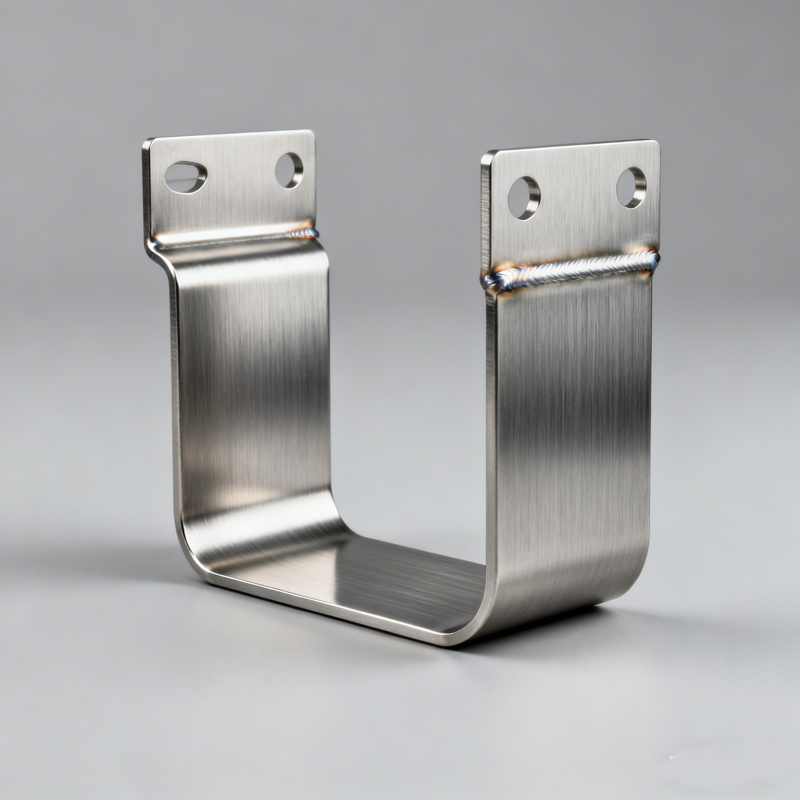
metallbiegeprozess
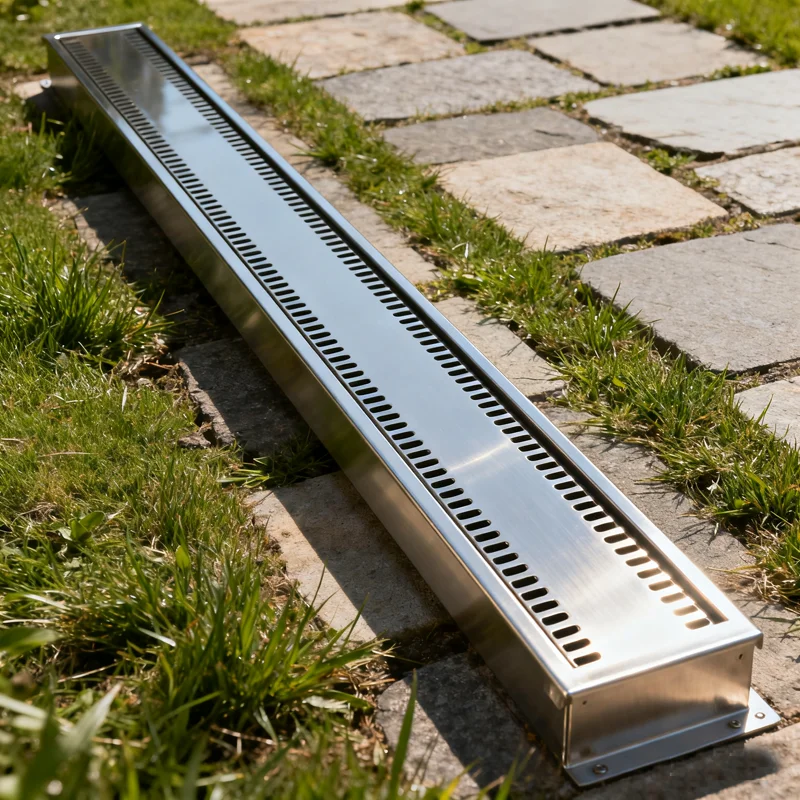
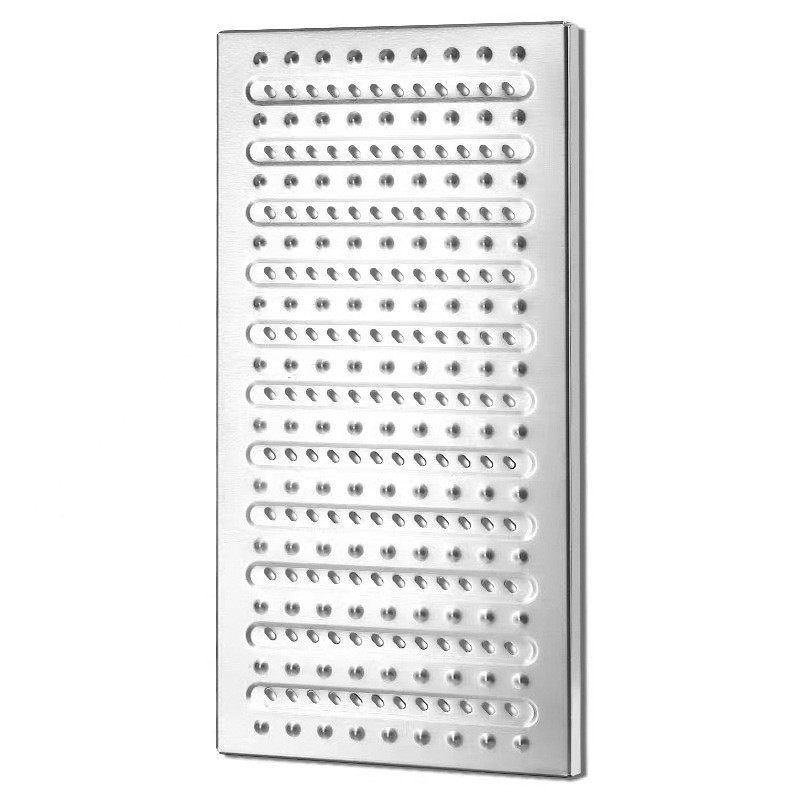
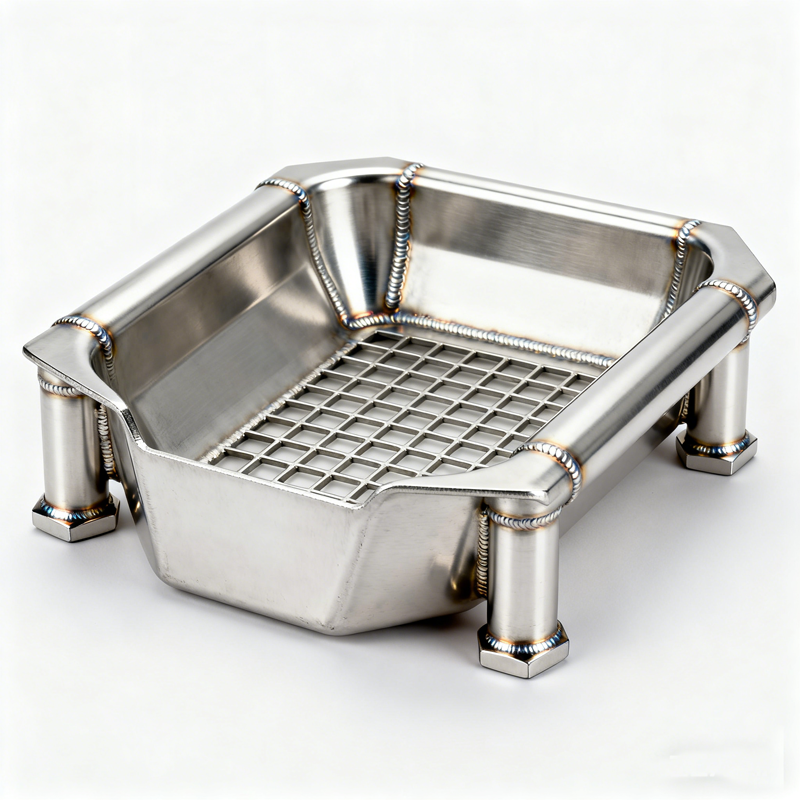
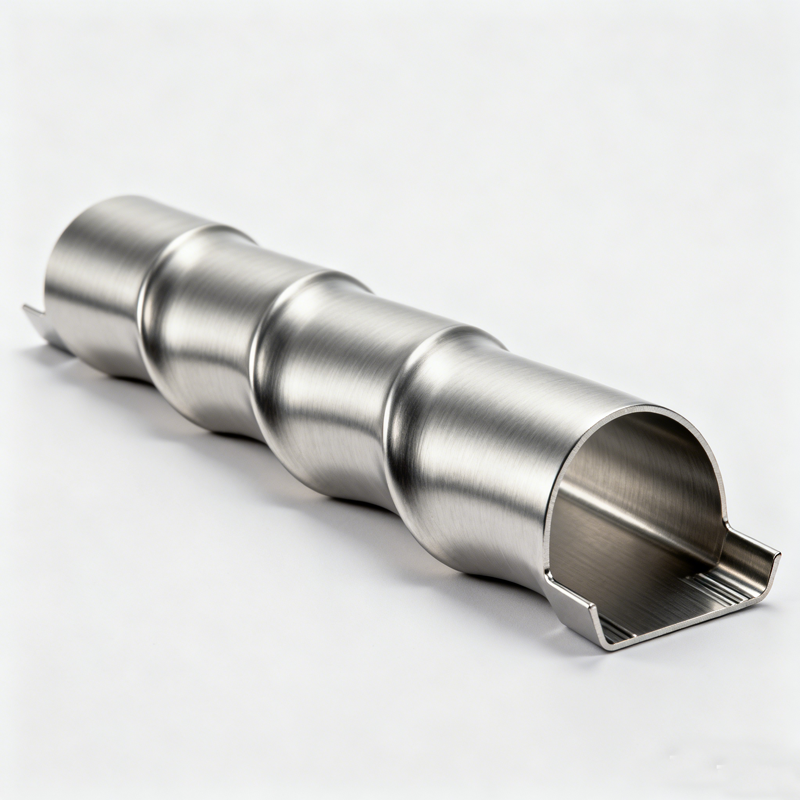
Das Metallbiegeverfahren ist eine grundlegende Fertigungstechnik, mit der metallische Werkstoffe in gewünschte Formen gebracht und umgeformt werden. Bei diesem Metallbiegeverfahren wird kontrollierte Kraft auf Metallbleche, -stäbe oder -rohre ausgeübt, um sie in Kurven, Winkel und komplexe Geometrien zu verformen. Das Metallbiegeverfahren erfüllt zahlreiche kritische Funktionen in einer Vielzahl von Branchen und ist daher für moderne Produktionsumgebungen unverzichtbar. Technisch erfolgt das Metallbiegeverfahren mithilfe spezieller Maschinen wie Abkantpressen, Walzmaschinen und hydraulischer Systeme, um präzise Verformungen zu erreichen. Beim Metallbiegeverfahren sind Winkel, Bogenradien und Materialeigenschaften sorgfältig zu berechnen, um Genauigkeit sicherzustellen. Moderne Anlagen integrieren zunehmend computergesteuerte numerische Steuerung (CNC), wodurch das Metallbiegeverfahren bei Großserienfertigung Wiederholgenauigkeit und Konsistenz gewährleistet. Zu den wichtigsten technologischen Merkmalen des Metallbiegeverfahrens zählen einstellbare Umformwerkzeuge, Echtzeit-Drucküberwachung sowie programmierbare Biegeabläufe. Das Metallbiegeverfahren ist für verschiedene Metallarten geeignet – darunter Stahl, Aluminium, Kupfer und Edelstahl –, wobei jede Werkstoffart spezifische Kraftparameter erfordert. Anwendungsgebiete umfassen die Automobilindustrie, den Bauwesenbereich, die Luft- und Raumfahrtindustrie, HLK-Systeme (Heizung, Lüftung, Klimatechnik) sowie Betriebe für maßgefertigte Metallteile. Mit dem Metallbiegeverfahren lassen sich tragende Bauteile, Halterungen, Gehäuse und dekorative Elemente herstellen. Industriezweige setzen das Metallbiegeverfahren ein, um alles von einfachen Winkelhaltern bis hin zu komplexen Mehrfachbiegebaugruppen zu fertigen. Ein fundiertes Verständnis der Möglichkeiten des Metallbiegeverfahrens hilft Herstellern dabei, die Produktionseffizienz zu optimieren und qualitativ hochwertige Produkte zu liefern, die stets strengen Kundenanforderungen sowie branchenspezifischen Normen entsprechen.

 EN
EN