Bending Metal Process | Precision Metal Forming

All Categories

Get a Free Quote

Our representative will contact you soon.
Email
Name
Company Name
Message
0/1000

bending metal process

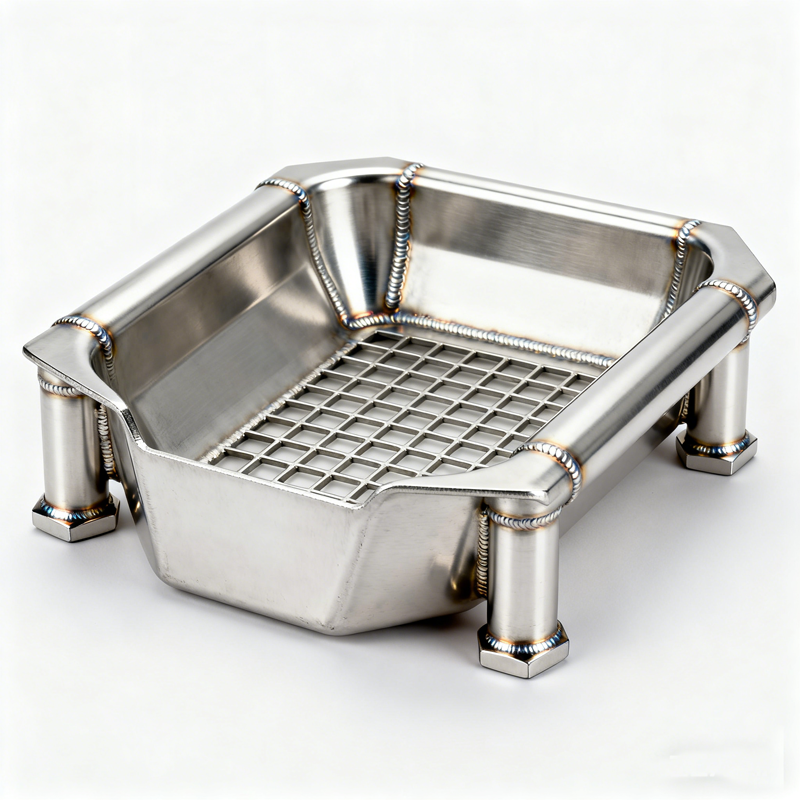
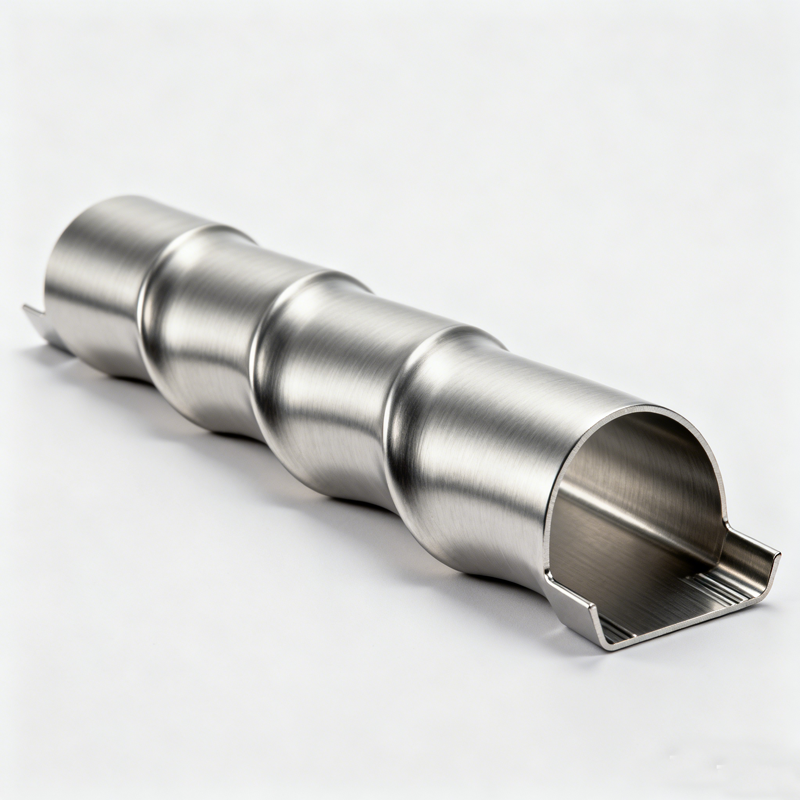
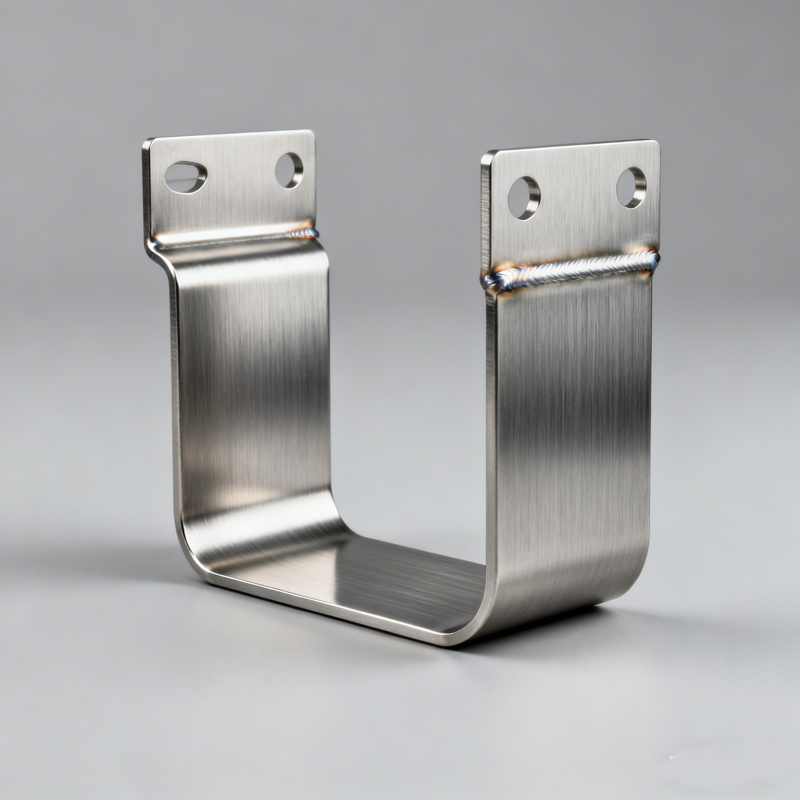
The bending metal process is a fundamental manufacturing technique that shapes and forms metal materials into desired configurations. This bending metal process involves applying controlled force to metal sheets, bars, or tubes, transforming them into curves, angles, and complex geometries. The bending metal process serves multiple critical functions across numerous industries, making it essential for modern production environments. Technologically, the bending metal process utilizes specialized equipment such as press brakes, roller machines, and hydraulic systems to achieve precise deformations. The bending metal process requires careful calculation of bend angles, radius measurements, and material specifications to ensure accuracy. Advanced systems now integrate computer numerical control (CNC) technology, allowing the bending metal process to achieve repeatability and consistency in high-volume production scenarios. Key technological features of the bending metal process include adjustable forming tools, real-time pressure monitoring, and programmable bend sequences. The bending metal process accommodates various metal types, including steel, aluminum, copper, and stainless steel, each requiring specific force parameters. Applications extend across automotive manufacturing, construction, aerospace, HVAC systems, and custom metal fabrication shops. The bending metal process enables the creation of structural components, brackets, enclosures, and decorative elements. Industries rely on the bending metal process to produce everything from simple angle brackets to sophisticated multi-bend assemblies. Understanding the bending metal process capabilities helps manufacturers optimize production efficiency and deliver quality products that meet stringent customer specifications and industry standards consistently.

New Products

The bending metal process offers substantial operational and financial benefits that make it attractive for manufacturers of all sizes. This efficient bending metal process significantly reduces material waste compared to traditional cutting or machining methods, directly lowering production costs. Manufacturers experience faster turnaround times because the bending metal process requires fewer setup changes than alternative fabrication techniques. For your business, the bending metal process delivers exceptional value by enabling rapid customization without expensive tooling investments. You can modify bend angles, radii, and sequences quickly through software adjustments, making the bending metal process ideal for small batch orders and prototypes. This flexibility means you maintain competitiveness in markets demanding rapid design iterations and product variations. Operational benefits extend beyond speed and cost savings. The bending metal process creates consistently dimensioned parts, reducing defects and quality control expenses. Your workforce benefits from safer operations since the bending metal process minimizes manual handling of sharp materials and reduces repetitive strain injuries associated with hand-forming techniques. Application suitability represents another crucial advantage of the bending metal process. Whether you need precise architectural components, automotive parts, or electrical enclosures, the bending metal process adapts to diverse requirements seamlessly. The bending metal process works effectively with both thin gauge materials and thick structural sections, providing remarkable versatility. Decision-useful context: investing in the bending metal process technology positions your company as a progressive manufacturer capable of meeting contemporary production demands. The bending metal process improves your capacity to fulfill complex orders while maintaining profitability. Your customers appreciate the precision and durability that the bending metal process delivers, strengthening your market reputation and competitive advantage significantly.

Practical Tips

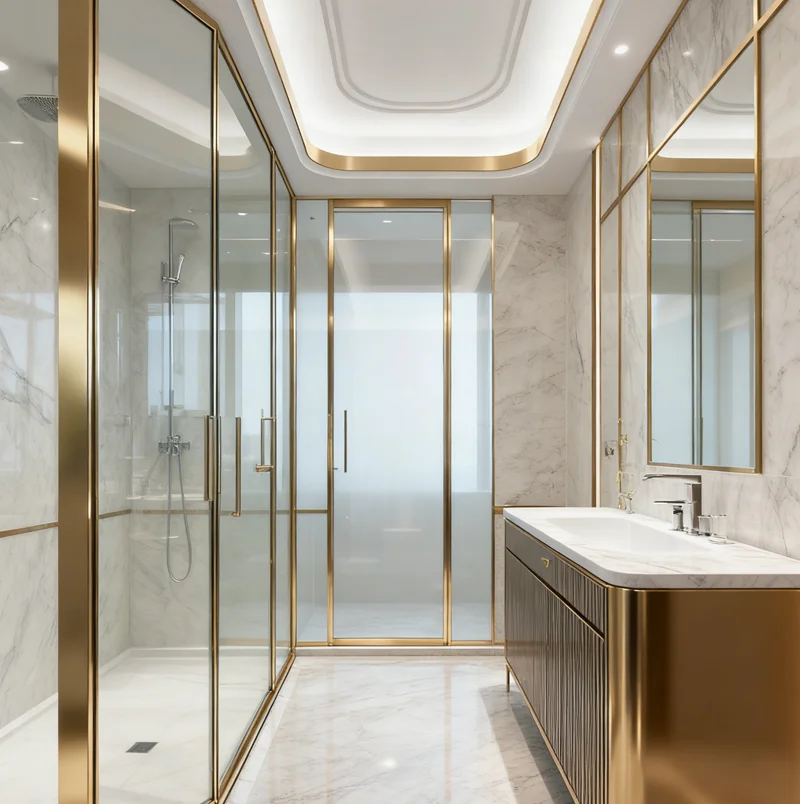
How Do Stainless Steel Flower Boxes Improve Indoor and Outdoor Décor?

17

Mar

How Do Stainless Steel Flower Boxes Improve Indoor and Outdoor Décor?

Modern landscaping and interior design increasingly emphasize durability, sustainability, and aesthetic appeal. A stainless steel flower box represents the perfect fusion of these elements, offering property owners and landscape architects a premium ...
View More
Why Choose Stainless Steel Grating for Industrial Use?

15

Apr

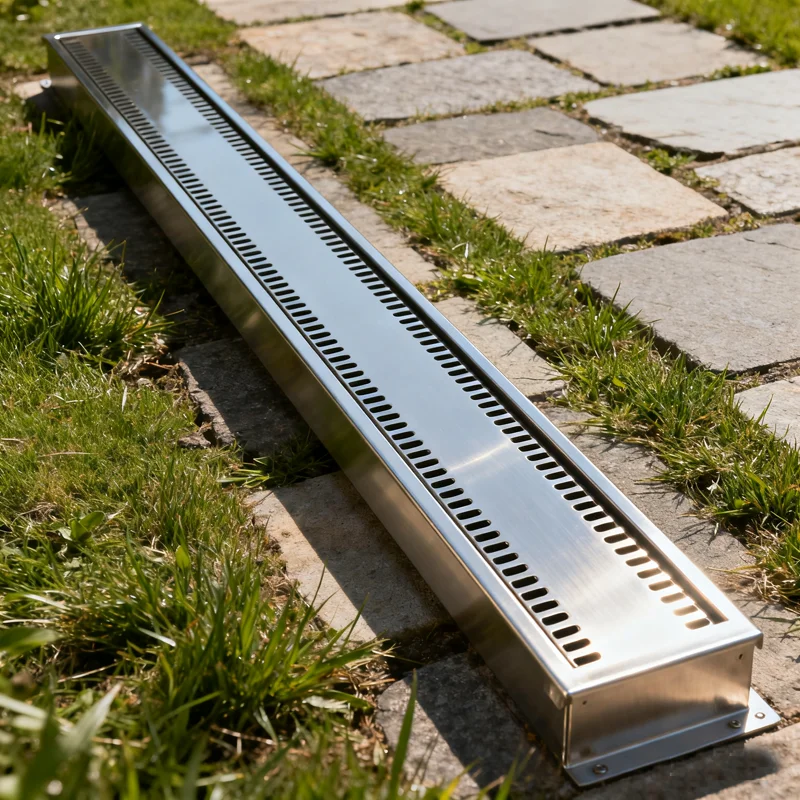
Why Choose Stainless Steel Grating for Industrial Use?

Industrial applications demand materials that can withstand harsh environments while maintaining structural integrity and safety standards. Among the various flooring and drainage solutions available, stainless steel grating has emerged as a preferre...
View More
Why Choose Stainless Steel Decorative Strips Over Wood?

15

May

Why Choose Stainless Steel Decorative Strips Over Wood?

The choice between materials for interior finishing has evolved significantly in recent decades, with architects and homeowners increasingly seeking durable, aesthetically pleasing solutions that deliver long-term value. Among the most compelling opt...
View More
Where Do Stainless Steel Flowerpots Enhance Modern Interior Design?

20

May

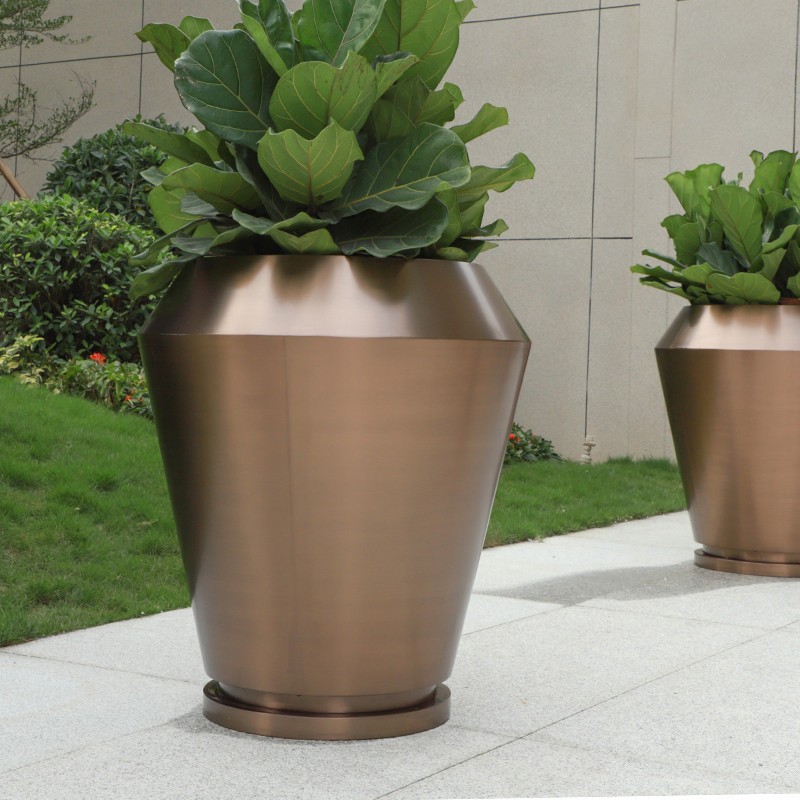
Where Do Stainless Steel Flowerpots Enhance Modern Interior Design?

Modern interior design increasingly embraces the fusion of natural elements with contemporary materials, creating spaces that feel both sophisticated and alive. The integration of plants into residential and commercial environments has evolved beyond...
View More

Get a Free Quote

Our representative will contact you soon.
Email
Name
Company Name
Message
0/1000

bending metal process

Precision Accuracy and Consistency

Precision Accuracy and Consistency

The bending metal process achieves exceptional dimensional accuracy that meets stringent industrial specifications. Modern bending metal process equipment incorporates advanced sensors and CNC programming, ensuring every bend matches design requirements precisely. This consistency eliminates rework expenses and customer rejection rates significantly. When you choose the bending metal process for production, you guarantee that successive batches maintain identical characteristics, crucial for assembly-dependent operations. The bending metal process precision reduces tolerances to fractions of millimeters, enabling seamless component integration in complex assemblies. Your quality assurance teams spend less time inspecting parts when the bending metal process delivers predictable, accurate results. This reliability strengthens customer relationships and builds reputation for excellence in your manufacturing sector.
Cost Efficiency and Material Optimization

Cost Efficiency and Material Optimization

Implementing the bending metal process reduces overall production expenses through multiple mechanisms. The bending metal process minimizes scrap metal waste, preserving material value and reducing disposal costs significantly. Traditional cutting methods generate substantial waste, but the bending metal process shapes existing material without removing significant portions. Energy consumption remains relatively low compared to machining or casting alternatives, directly impacting utility expenses. The bending metal process enables faster production cycles, allowing manufacturers to complete more orders within standard operating hours. Reduced labor requirements for setup and operation further decrease per-unit production costs. When evaluating manufacturing investments, the bending metal process delivers superior return on investment through these cumulative savings and efficiency improvements.
Versatility Across Material Types and Applications

Versatility Across Material Types and Applications

The bending metal process accommodates diverse material compositions, thicknesses, and metal types without requiring equipment modifications. Aluminum, steel, copper, brass, and stainless steel all respond effectively to the bending metal process, expanding your manufacturing capabilities. Whether producing HVAC components, electrical enclosures, architectural elements, or automotive parts, the bending metal process adapts to varied requirements seamlessly. The bending metal process handles material thickness ranging from delicate sheet metal to heavy structural sections. Manufacturers utilizing the bending metal process serve multiple industry sectors simultaneously, diversifying revenue streams and reducing dependency on single markets. This adaptability makes the bending metal process an invaluable asset for job shops and contract manufacturers serving diverse customer bases.

Get a Free Quote

Our representative will contact you soon.
Email
Name
Company Name
Message
0/1000