sheet metalworking
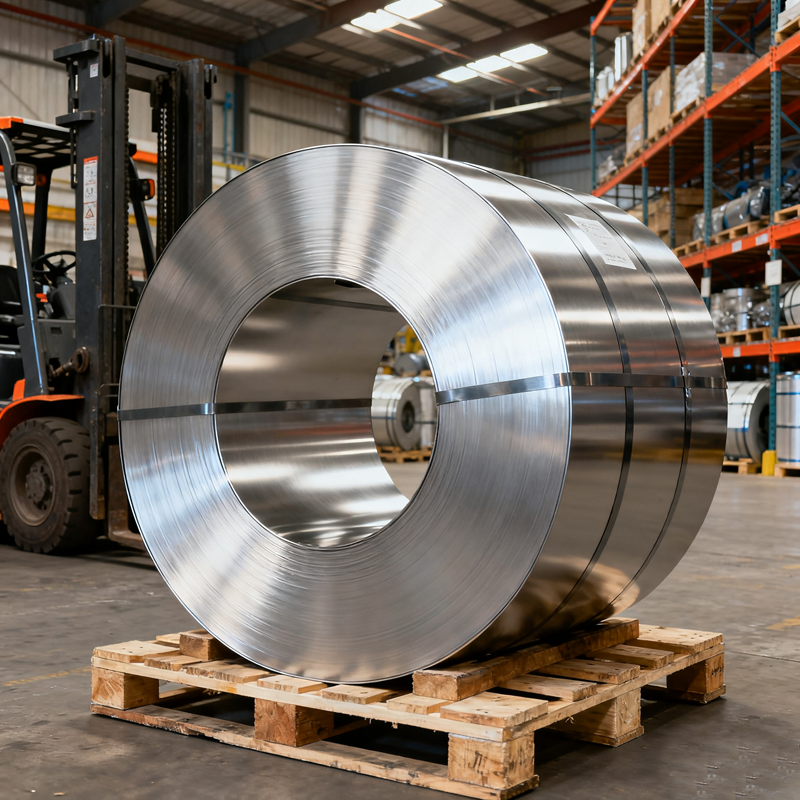
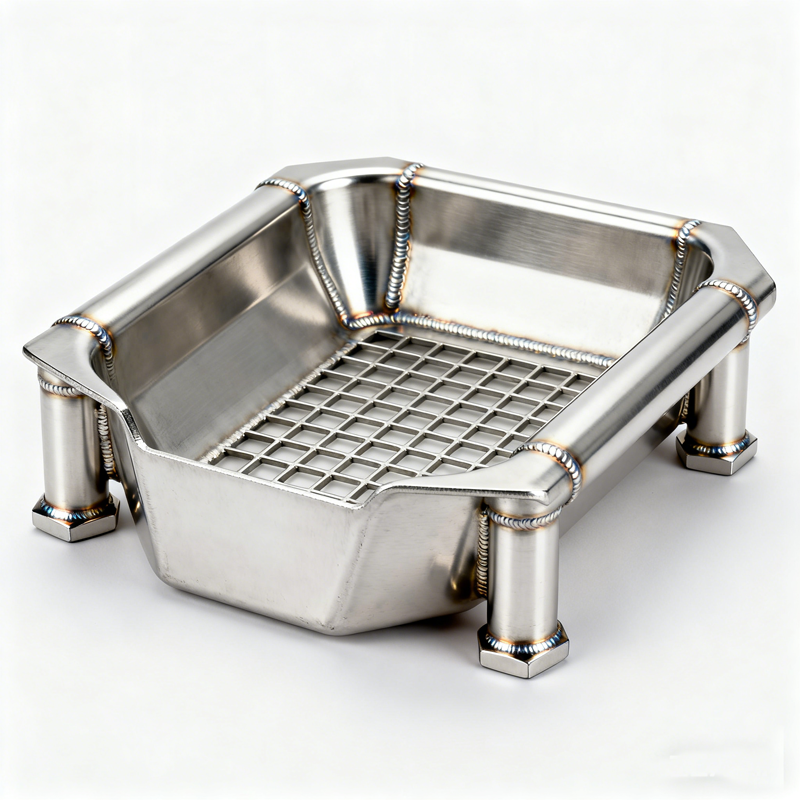
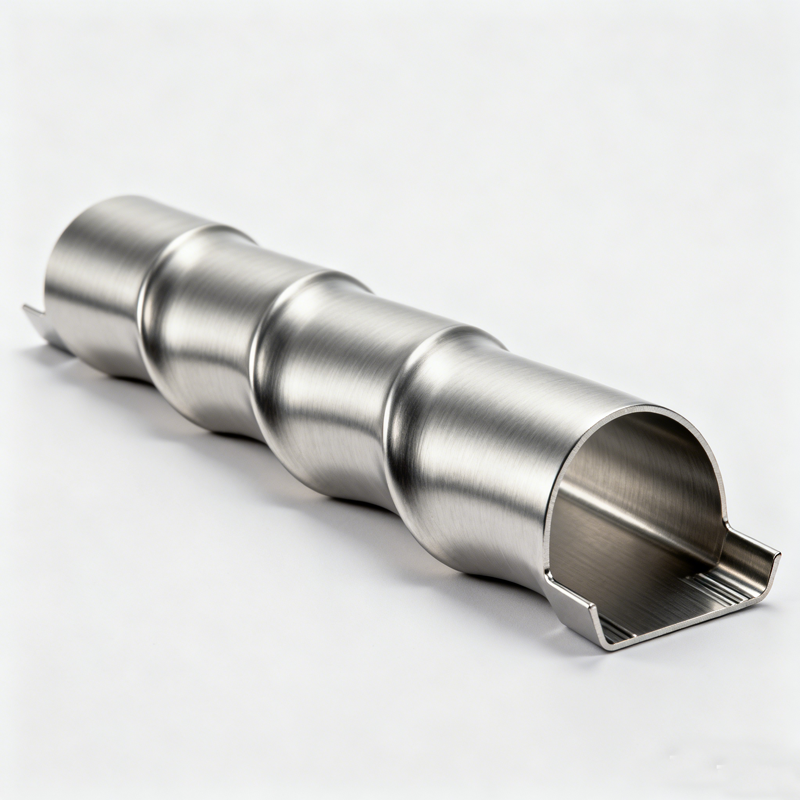
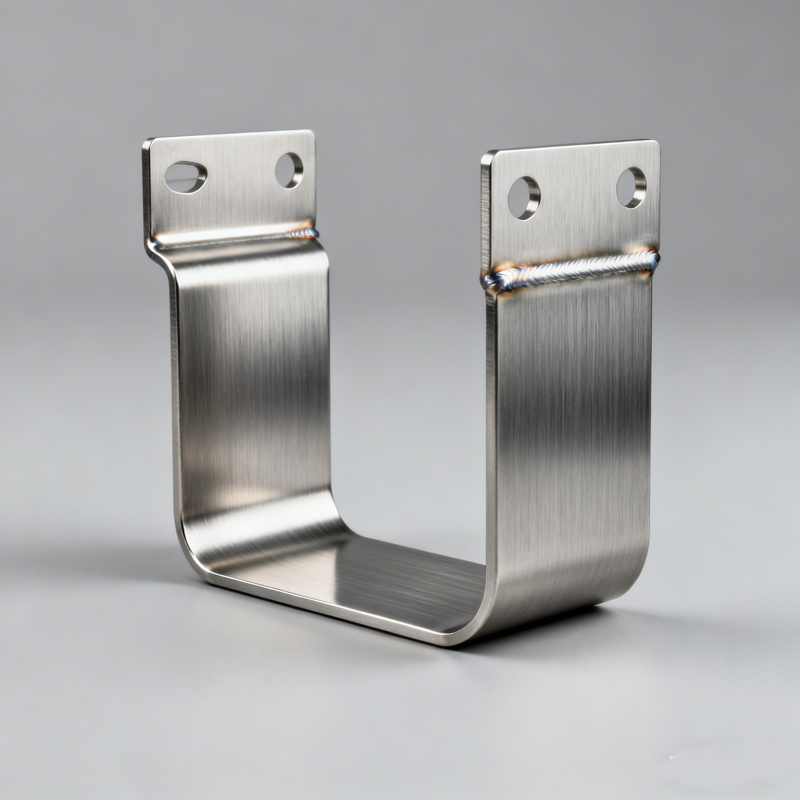
Sheet metalworking represents a fundamental manufacturing process that transforms flat metal sheets into precision components through cutting, bending, and forming techniques. This specialized discipline in sheet metalworking encompasses various operations including shearing, punching, bending, stamping, and welding to create parts with exact specifications. Sheet metalworking serves as a critical process across multiple industries, enabling the production of everything from automotive body panels to architectural elements and electronic enclosures.
The technological features of sheet metalworking include advanced machinery such as hydraulic presses, CNC punch machines, and laser cutting systems that ensure accuracy and consistency. Modern sheet metalworking facilities utilize computer-aided design and manufacturing technology to optimize material usage and minimize waste. The process allows for both low-volume custom work and high-volume industrial production, making sheet metalworking highly adaptable to different manufacturing needs.
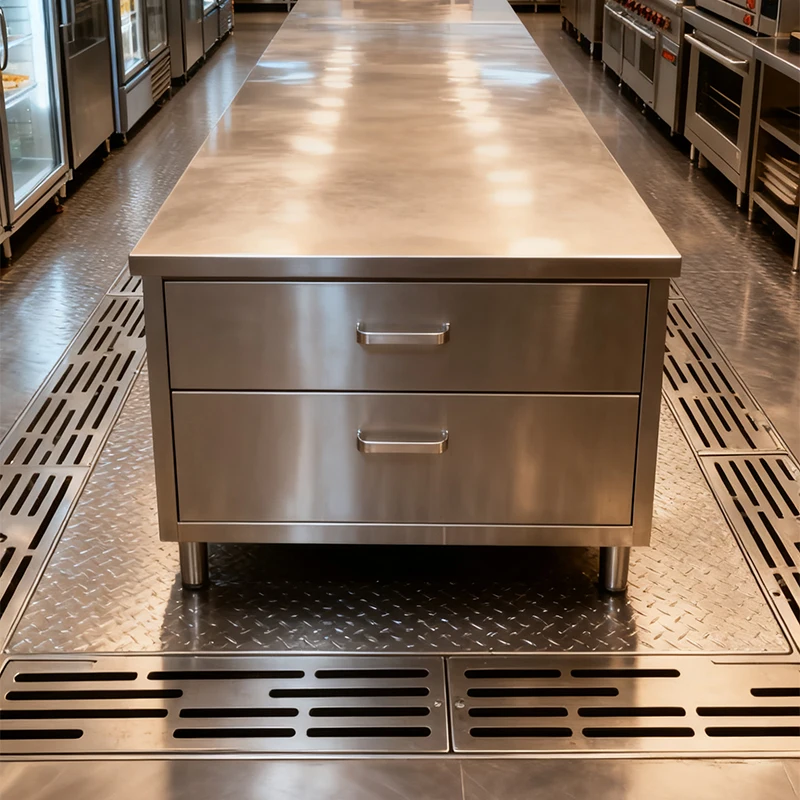
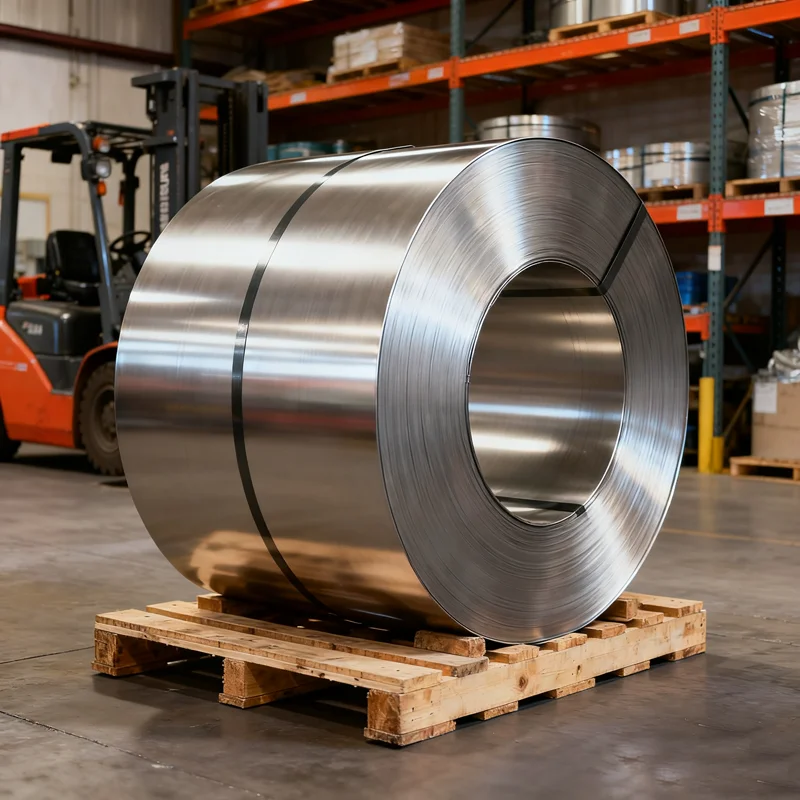
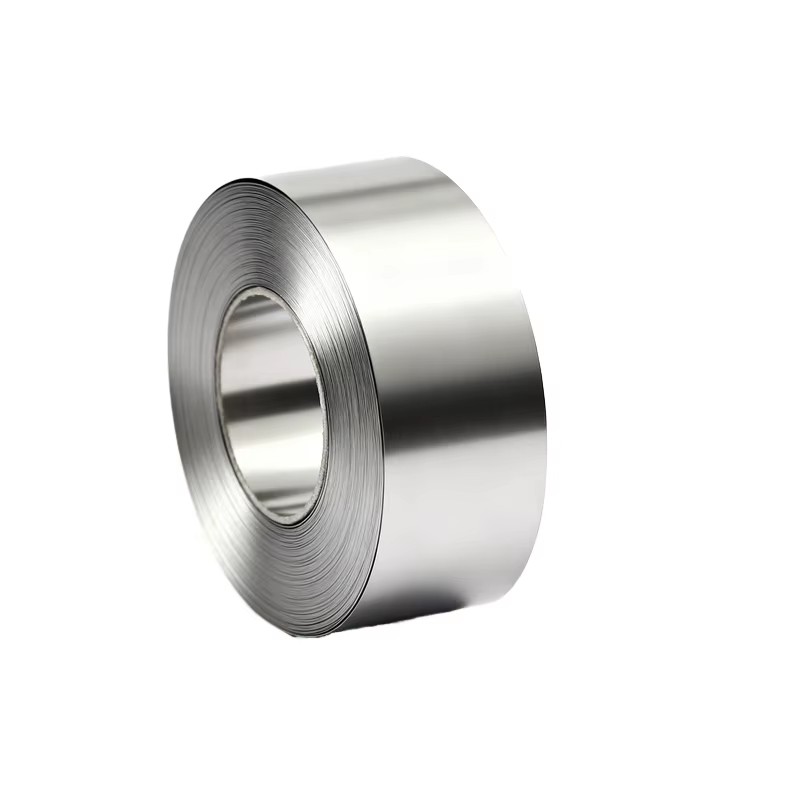
Applications of sheet metalworking span diverse sectors including automotive manufacturing, aerospace engineering, HVAC systems, electrical cabinets, and decorative hardware production. Sheet metalworking's versatility enables manufacturers to produce complex geometries while maintaining tight tolerances. The ability to work with various materials such as steel, aluminum, stainless steel, and copper makes sheet metalworking an indispensable manufacturing method. Industries rely on sheet metalworking to create durable, cost-effective components that meet stringent quality standards and performance requirements.

 EN
EN