Professional Sheet Metalworking Services - Precision Manufacturing Solutions

All Categories

Get a Free Quote

Our representative will contact you soon.
Email
Name
Company Name
Message
0/1000

sheet metalworking

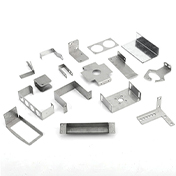
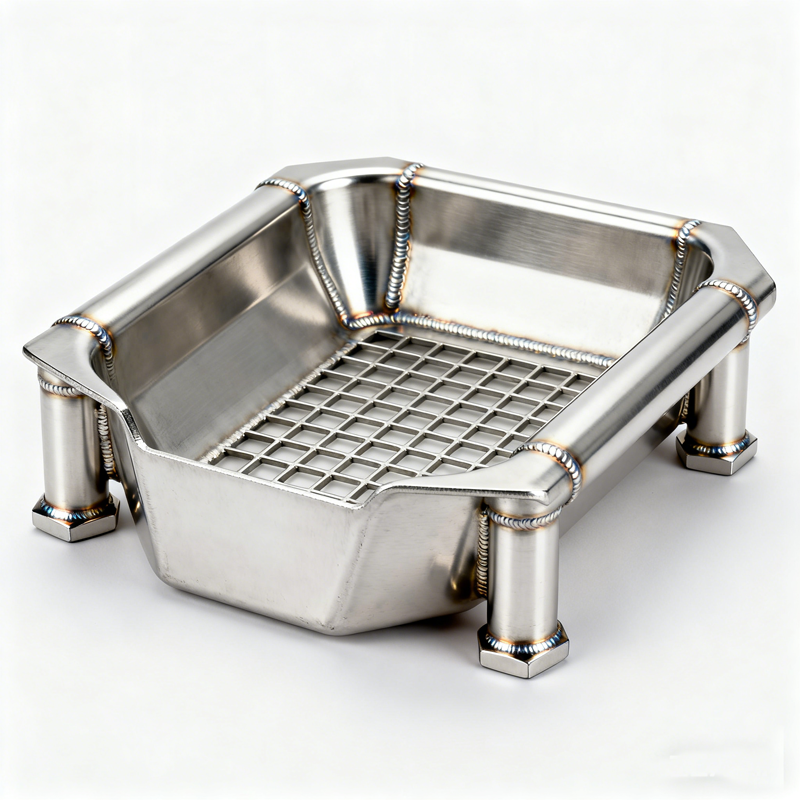
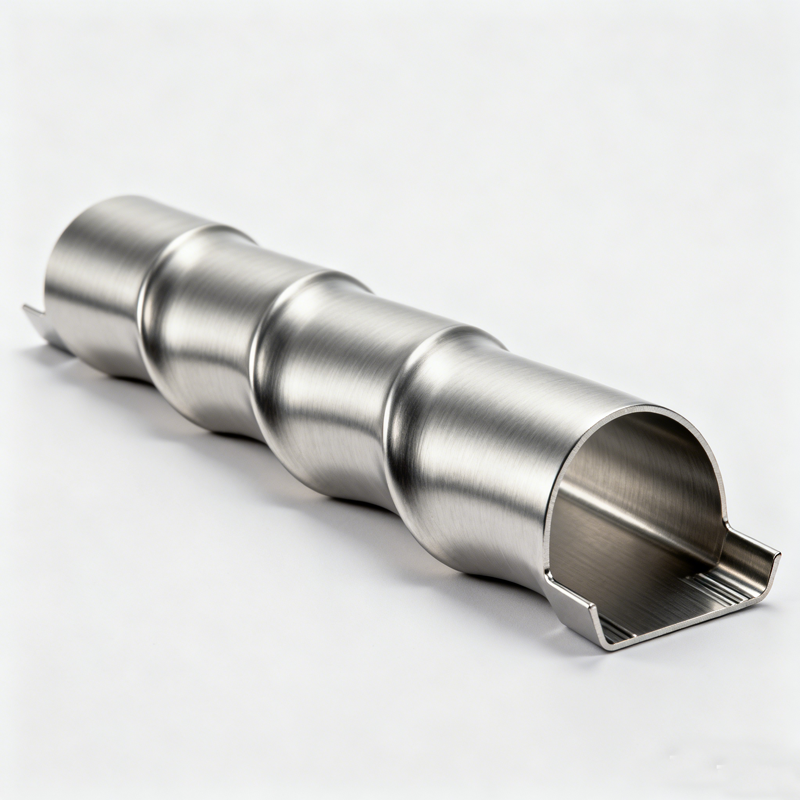
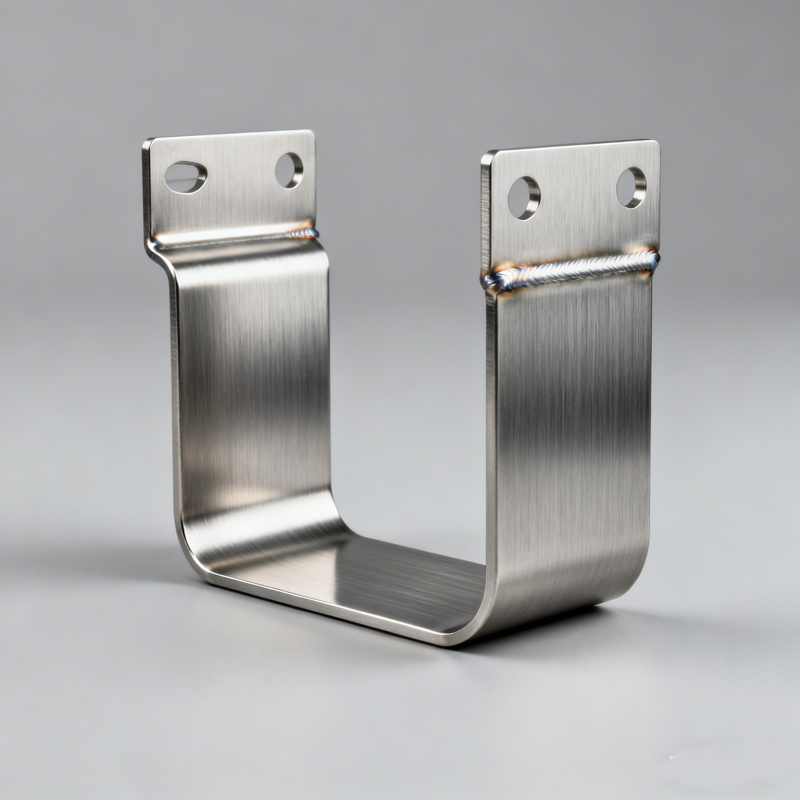
Sheet metalworking represents a fundamental manufacturing process that transforms flat metal sheets into functional components and products through various fabrication techniques. This versatile industrial process encompasses cutting, bending, forming, welding, and assembly operations that convert raw sheet metal materials into precise engineered parts. Sheet metalworking serves as the backbone of countless industries, from automotive and aerospace to construction and electronics, providing essential components that power modern infrastructure and technology. The process begins with selecting appropriate metal sheets, typically made from steel, aluminum, stainless steel, or specialized alloys, each chosen for specific properties like strength, corrosion resistance, or weight considerations. Advanced sheet metalworking facilities utilize computer-controlled machinery, including laser cutters, press brakes, turret punches, and robotic welding systems, ensuring exceptional precision and repeatability. These technological features enable manufacturers to produce complex geometries with tight tolerances while maintaining consistent quality across large production runs. The main functions of sheet metalworking include creating enclosures, brackets, panels, chassis, and structural components that meet exact specifications. Modern sheet metalworking incorporates sophisticated design software and CAD integration, allowing seamless transition from digital concepts to physical products. Quality control measures throughout the sheet metalworking process ensure dimensional accuracy, surface finish requirements, and structural integrity. The applications span diverse sectors including medical device housings, telecommunications equipment, industrial machinery components, architectural elements, and consumer appliances. Sheet metalworking capabilities extend from prototype development to high-volume production, accommodating various thickness ranges and complex forming requirements. Environmental considerations drive sheet metalworking innovations, with emphasis on material efficiency, waste reduction, and recyclability. The process supports both standard and custom applications, providing flexibility for unique design requirements while maintaining cost-effectiveness for mass production needs.

New Products

Sheet metalworking delivers exceptional cost-effectiveness compared to alternative manufacturing methods, particularly for medium to high-volume production runs. The process utilizes readily available raw materials and efficient manufacturing techniques that minimize waste and maximize material utilization. Companies benefit from reduced tooling costs when producing multiple parts from similar designs, as sheet metalworking equipment can accommodate various geometries without extensive setup changes. The speed of sheet metalworking operations significantly reduces lead times, enabling faster time-to-market for new products and quicker response to customer demands. Modern sheet metalworking facilities operate with automated systems that maintain consistent production rates while reducing labor costs and human error. The precision achievable through sheet metalworking ensures parts meet exact specifications, eliminating costly rework and assembly issues downstream. Material versatility stands as another major advantage, as sheet metalworking accommodates various metals and alloys, allowing engineers to select optimal materials for specific applications without changing manufacturing processes. The scalability of sheet metalworking operations provides flexibility to adjust production volumes based on market demands, from small prototype quantities to large-scale manufacturing runs. Quality consistency remains paramount, with sheet metalworking processes delivering repeatable results that meet stringent industry standards and customer specifications. The durability of sheet metalworking products ensures long service life, reducing replacement costs and maintenance requirements for end users. Design flexibility allows engineers to create complex shapes and configurations that would be difficult or impossible with other manufacturing methods. Sheet metalworking supports rapid prototyping, enabling quick design iterations and testing before committing to full production. The process integrates well with other manufacturing operations, facilitating efficient assembly and finishing processes. Environmental benefits include high recyclability of metal materials and efficient use of energy resources. Sheet metalworking accommodates various surface treatments and coatings, enhancing corrosion resistance, aesthetics, and functional properties. The established supply chains and widespread availability of sheet metalworking services provide reliable access to manufacturing capabilities worldwide. Advanced quality control systems ensure consistent dimensional accuracy and surface finish quality throughout production runs.

Practical Tips

Where Do Stainless Steel Trash Cans Perform Best in Daily Use?

08

Dec

Where Do Stainless Steel Trash Cans Perform Best in Daily Use?

Modern households and commercial spaces increasingly rely on durable waste management solutions that combine functionality with aesthetic appeal. A stainless steel trash can represents the perfect intersection of durability, hygiene, and style, makin...
View More
What Is Stainless Steel Coil and How Is It Made?

08

Jan

What Is Stainless Steel Coil and How Is It Made?

The manufacturing industry relies heavily on versatile materials that can withstand demanding environments while maintaining structural integrity. Among these materials, stainless steel coil stands as one of the most essential components in modern in...
View More
How Do Stainless Steel Rainwater Grates Improve Drainage Efficiency?

11

Feb

How Do Stainless Steel Rainwater Grates Improve Drainage Efficiency?

Modern urban infrastructure faces increasing challenges from unpredictable weather patterns and heavy rainfall events. Effective drainage systems have become critical components in protecting buildings, roadways, and landscaped areas from water damag...
View More
When Should You Install a Stainless Steel Rainwater Grate?

02

Mar

When Should You Install a Stainless Steel Rainwater Grate?

Understanding the optimal timing for installing a stainless steel rainwater grate is crucial for maintaining effective drainage systems while preventing water damage to your property. These essential components serve as the first line of defense agai...
View More

Get a Free Quote

Our representative will contact you soon.
Email
Name
Company Name
Message
0/1000

sheet metalworking

Precision Engineering and Advanced Technology Integration

Precision Engineering and Advanced Technology Integration

Sheet metalworking achieves remarkable precision through sophisticated computer-controlled machinery and advanced manufacturing technologies that deliver consistent, high-quality results. Modern sheet metalworking facilities employ state-of-the-art laser cutting systems capable of achieving tolerances within thousandths of an inch, ensuring parts fit perfectly in assemblies without adjustment or modification. The integration of CAD/CAM software with sheet metalworking equipment creates seamless workflow from design conception to finished products, eliminating potential errors and reducing development time. Automated press brake systems with back-gauge positioning and angle measurement provide repeatable bending operations that maintain consistent part geometry across thousands of pieces. These technological advances in sheet metalworking enable manufacturers to produce complex components with multiple bends, cutouts, and formed features while maintaining dimensional accuracy throughout the process. The precision capabilities of sheet metalworking extend to material thickness control, edge quality, and surface finish consistency, critical factors for applications requiring tight specifications. Advanced sheet metalworking operations utilize real-time monitoring systems that track cutting parameters, material conditions, and tool wear to maintain optimal performance and prevent quality deviations. The integration of robotic automation in sheet metalworking processes ensures consistent handling and positioning of parts, reducing variations that could affect final dimensions or surface quality. Quality measurement systems incorporated into sheet metalworking workflows provide immediate feedback on dimensional accuracy, enabling rapid adjustments to maintain specifications. The technological sophistication of modern sheet metalworking enables manufacturers to achieve complex geometries previously requiring multiple manufacturing steps or specialized tooling. These precision capabilities translate directly into reduced assembly time, improved product performance, and enhanced customer satisfaction through consistently accurate parts delivery.
Versatile Material Options and Customization Capabilities

Versatile Material Options and Customization Capabilities

Sheet metalworking provides unmatched versatility in material selection and customization options, enabling manufacturers to optimize products for specific performance requirements and operating conditions. The process accommodates an extensive range of materials including carbon steel, stainless steel, aluminum alloys, copper, brass, and specialized metals like titanium and Inconel for demanding applications. This material flexibility in sheet metalworking allows engineers to select optimal properties such as strength-to-weight ratios, corrosion resistance, electrical conductivity, or thermal management characteristics based on application needs. The customization capabilities of sheet metalworking extend beyond material selection to include various forming operations, surface treatments, and finishing options that enhance both functional and aesthetic properties. Advanced sheet metalworking techniques can create complex three-dimensional shapes, intricate cutout patterns, and precise joining methods that accommodate unique design requirements. The process supports various thickness ranges from thin gauge materials for electronics enclosures to heavy plate applications for structural components, providing design flexibility across diverse industries. Sheet metalworking customization includes specialized forming operations such as deep drawing, hydroforming, and progressive die stamping that create complex geometries in single operations. Surface preparation and finishing options in sheet metalworking encompass powder coating, plating, anodizing, and painting systems that provide corrosion protection, color matching, and texture requirements. The ability to integrate multiple operations within sheet metalworking processes, including welding, fastening, and assembly, creates complete solutions rather than individual components. Custom tooling development for sheet metalworking applications enables unique part geometries and specialized forming requirements that standard processes cannot achieve. The flexibility of sheet metalworking operations allows for design modifications and improvements throughout the development process without significant tooling changes or setup costs. This versatility positions sheet metalworking as an ideal solution for both standard product lines and custom applications requiring unique specifications or limited production quantities.
Cost-Effective Production and Rapid Turnaround Times

Cost-Effective Production and Rapid Turnaround Times

Sheet metalworking delivers exceptional cost-effectiveness through efficient material utilization, streamlined production processes, and minimal waste generation that directly impacts project budgets and profitability. The inherent efficiency of sheet metalworking operations allows manufacturers to optimize material usage through nesting software that arranges parts to minimize waste and maximize yield from each sheet. This optimization in sheet metalworking processes can reduce material costs by twenty to thirty percent compared to less efficient manufacturing methods, providing significant savings on raw material expenses. The rapid setup capabilities of modern sheet metalworking equipment enable quick transitions between different parts and production runs, reducing downtime and maximizing productive capacity. Automated material handling systems in sheet metalworking facilities eliminate manual labor requirements while maintaining consistent production speeds and reducing the potential for handling damage or delays. The standardized tooling and processes used in sheet metalworking operations minimize setup complexity and reduce the specialized knowledge required for production changeovers. Quick turnaround times achievable through sheet metalworking processes enable manufacturers to respond rapidly to customer demands, market changes, or urgent project requirements without compromising quality standards. The scalability of sheet metalworking production accommodates varying order quantities efficiently, from small prototype runs to large-scale manufacturing without proportional increases in setup costs or lead times. Integrated quality control measures within sheet metalworking workflows identify and correct issues immediately, preventing costly rework or rejected parts that could delay delivery schedules. The established supply chains supporting sheet metalworking operations ensure reliable access to materials and services, reducing procurement delays and enabling predictable production scheduling. Economic advantages of sheet metalworking include reduced inventory requirements through just-in-time production capabilities and the ability to consolidate multiple manufacturing operations into single facilities. The competitive landscape of sheet metalworking services provides customers with multiple sourcing options and competitive pricing while maintaining quality standards and delivery performance. These cost and time advantages make sheet metalworking an attractive option for businesses seeking to optimize manufacturing expenses while maintaining product quality and delivery reliability.

Get a Free Quote

Our representative will contact you soon.
Email
Name
Company Name
Message
0/1000