Sheet Metal Manufacturing Process Guide

All Categories

Get a Free Quote

Our representative will contact you soon.
Email
Name
Company Name
Message
0/1000

sheet metal manufacturing process

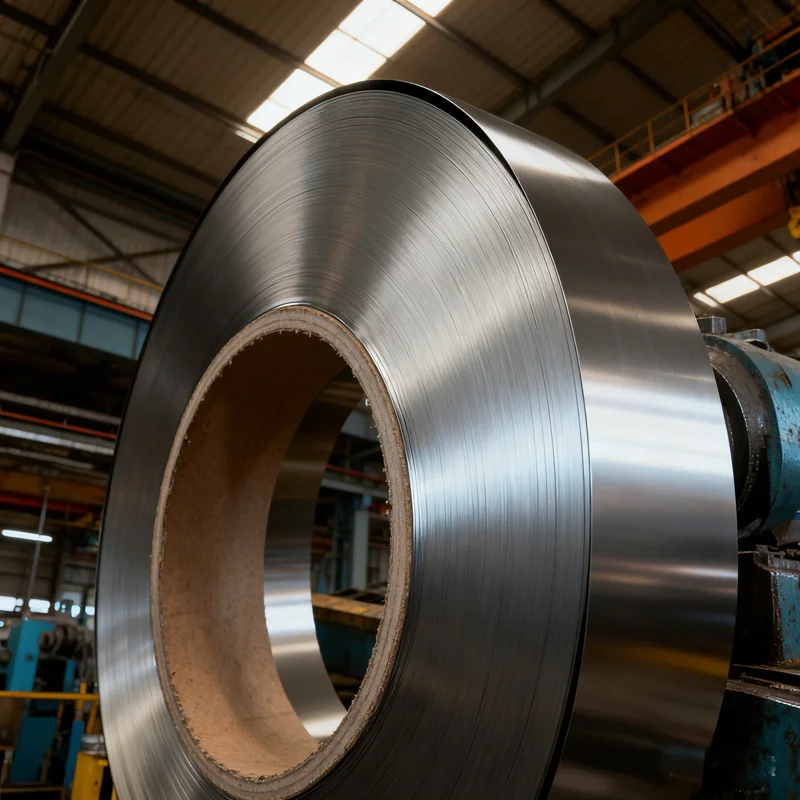
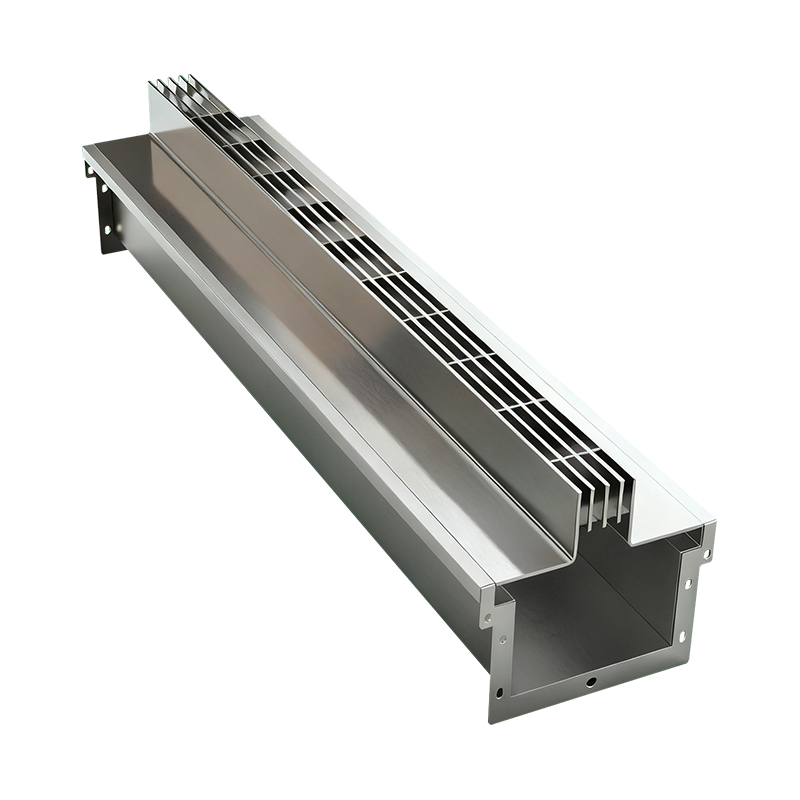
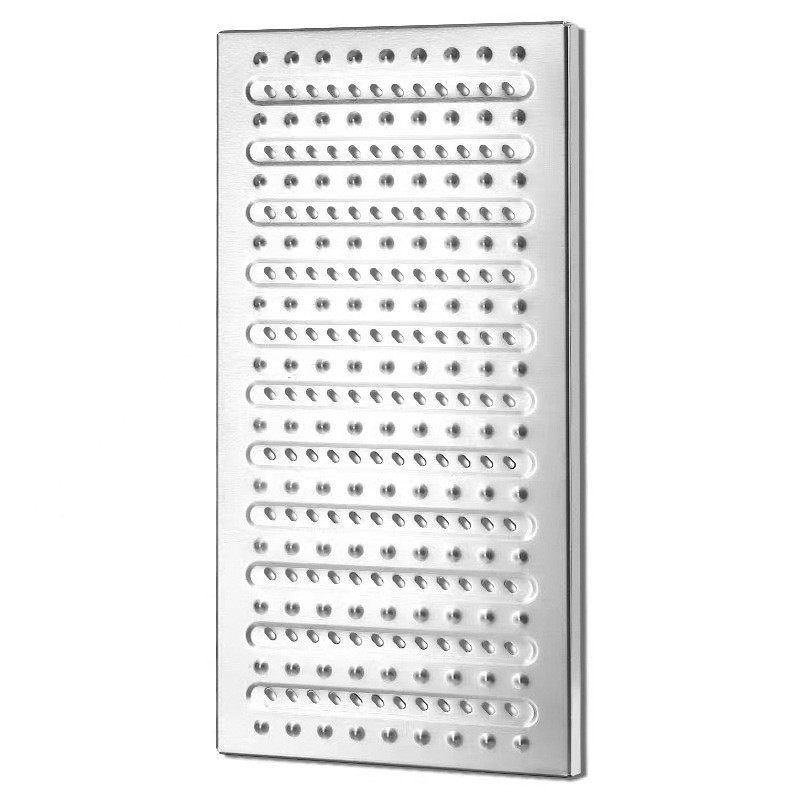
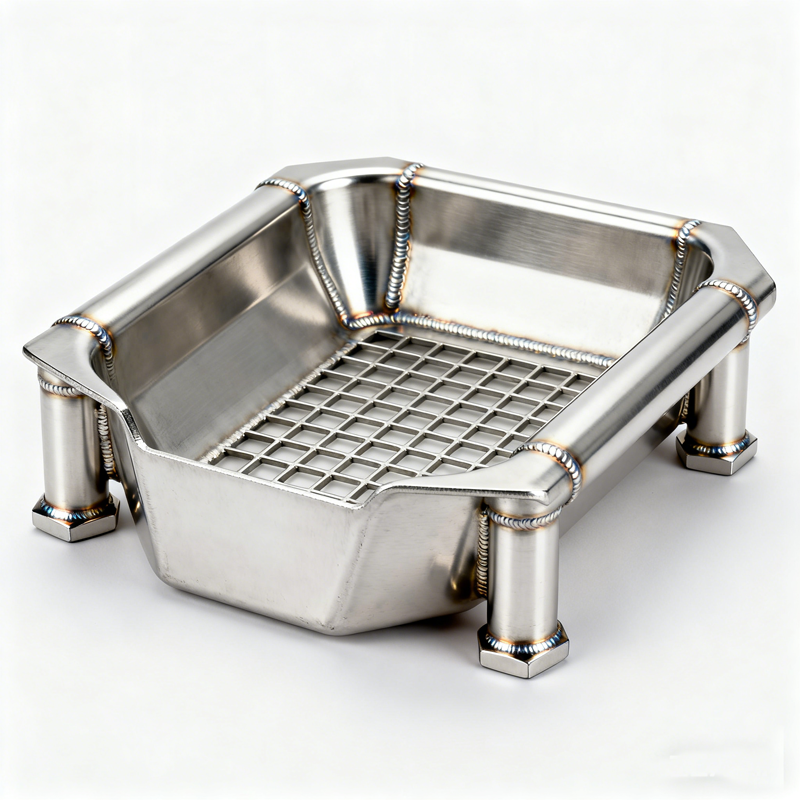
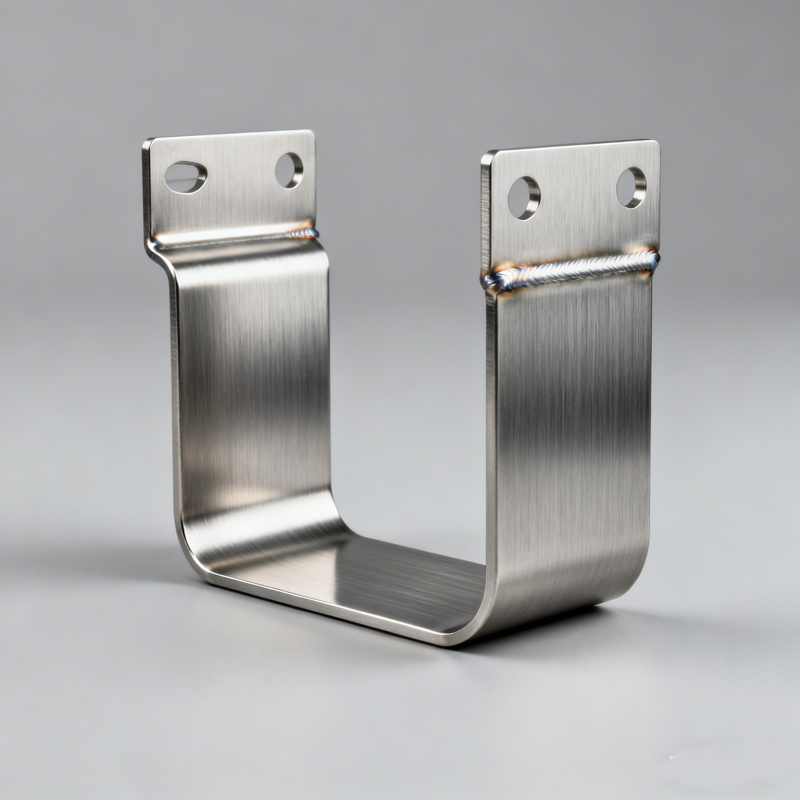
The sheet metal manufacturing process represents a fundamental approach to creating precise metal components through cutting, bending, and assembly techniques. This sheet metal manufacturing process involves transforming flat metal sheets into finished products using specialized machinery and skilled craftsmanship. The core functions include material preparation, precision cutting using shears or laser systems, strategic bending operations, and final assembly procedures. Technological features of the sheet metal manufacturing process have evolved significantly to meet modern industrial demands. Computer-aided design integration allows manufacturers to develop intricate designs before production begins. CNC machinery ensures consistent accuracy across all produced parts. The sheet metal manufacturing process utilizes advanced techniques such as stamping, forming, and welding to achieve complex geometries with tight tolerances. Modern systems incorporate automated handling equipment that increases production efficiency while maintaining quality standards. Applications of the sheet metal manufacturing process span diverse industries including automotive, aerospace, electronics, and construction. This sheet metal manufacturing process creates enclosures, brackets, panels, and structural components that serve critical functions in various products. From HVAC systems to industrial machinery, the sheet metal manufacturing process delivers reliable solutions for businesses requiring durable metal components. The versatility of this sheet metal manufacturing process makes it invaluable for both prototype development and large-scale industrial production, supporting manufacturers in meeting customer specifications with precision and reliability.

New Product Recommendations

The sheet metal manufacturing process delivers substantial operational and economic benefits that enhance business competitiveness. This sheet metal manufacturing process enables manufacturers to produce components with exceptional precision, reducing waste and improving profitability. Organizations utilizing the sheet metal manufacturing process achieve faster production cycles compared to traditional metalworking methods, allowing them to respond quickly to market demands and customer orders. Cost efficiency represents a primary advantage of the sheet metal manufacturing process. By minimizing material waste through optimized cutting patterns and efficient tooling, companies reduce production expenses significantly. The sheet metal manufacturing process allows businesses to maintain consistent quality standards while scaling production volumes, making it ideal for both small runs and high-volume manufacturing. This adaptability ensures that operations remain economically viable across different project sizes. The sheet metal manufacturing process offers superior design flexibility, enabling manufacturers to create complex geometries and custom configurations. Advanced machinery used in the sheet metal manufacturing process accommodates various metal types including steel, aluminum, and stainless steel, providing material selection options for different applications. Quality control integrated throughout the sheet metal manufacturing process ensures that finished products meet rigorous specifications. Application suitability extends across numerous industries requiring reliable metal components. The sheet metal manufacturing process produces durable parts for automotive assembly, HVAC systems, electronic enclosures, and structural frameworks. Decision-making becomes more informed when companies understand that the sheet metal manufacturing process delivers components with exceptional durability and long-term performance. Businesses benefit from reduced maintenance costs and improved product reliability when implementing components created through this sheet metal manufacturing process, ultimately strengthening customer satisfaction and market reputation.

Latest News

What Is Sheet Metal Processing and How Does It Work?

11

Mar

What Is Sheet Metal Processing and How Does It Work?

Sheet metal processing represents a fundamental manufacturing discipline that transforms flat metal sheets into functional components through various fabrication techniques. This versatile manufacturing approach encompasses cutting, forming, joining,...
View More
How Does a Stainless Steel Rainwater Grate Work?

23

Mar

How Does a Stainless Steel Rainwater Grate Work?

Modern urban infrastructure relies heavily on effective drainage systems to manage rainwater runoff and prevent flooding. A stainless steel rainwater grate serves as a critical component in these systems, providing both functionality and aesthetic ap...
View More
How Does Stainless Steel Improve Safety and Performance in Daily Use?

08

Apr

How Does Stainless Steel Improve Safety and Performance in Daily Use?

Modern manufacturing and industrial applications increasingly rely on materials that deliver exceptional safety and performance characteristics. Stainless steel has emerged as the premier choice for countless applications due to its unique combinatio...
View More
Why Choose Stainless Steel Grating for Industrial Use?

15

Apr

Why Choose Stainless Steel Grating for Industrial Use?

Industrial applications demand materials that can withstand harsh environments while maintaining structural integrity and safety standards. Among the various flooring and drainage solutions available, stainless steel grating has emerged as a preferre...
View More

Get a Free Quote

Our representative will contact you soon.
Email
Name
Company Name
Message
0/1000

sheet metal manufacturing process

Precision Engineering and Tight Tolerances

Precision Engineering and Tight Tolerances

The sheet metal manufacturing process delivers exceptional precision that distinguishes it from conventional metalworking approaches. Modern equipment used in the sheet metal manufacturing process can achieve tolerances within fractions of a millimeter, ensuring components fit perfectly within assembly systems. This precision engineering capability reduces assembly complications and improves overall product functionality. Advanced CNC technology integrated into the sheet metal manufacturing process maintains consistency across thousands of identical parts. Quality assurance procedures embedded throughout the sheet metal manufacturing process verify dimensional accuracy at critical stages, preventing defects before they reach customers. Businesses implementing the sheet metal manufacturing process benefit from minimal rework requirements and enhanced first-pass yield rates. The reliability of precision components created through this sheet metal manufacturing process strengthens product performance and extends equipment lifespan in demanding applications.
Cost-Effective Material Utilization

Cost-Effective Material Utilization

Efficiency in material usage represents a significant advantage of the sheet metal manufacturing process. Sophisticated nesting software optimizes cutting patterns to maximize material yield from each sheet, directly reducing raw material costs. The sheet metal manufacturing process minimizes scrap generation through intelligent design integration, translating directly into improved profit margins. Companies employing the sheet metal manufacturing process achieve economies of scale without proportional increases in tooling expenses. Bulk purchasing of standardized materials supports the sheet metal manufacturing process, further reducing per-unit costs. Energy-efficient modern machinery used in the sheet metal manufacturing process consumes less power while delivering superior results compared to older equipment. Businesses leveraging the sheet metal manufacturing process lower overall production costs while maintaining exceptional quality, creating competitive advantages in price-sensitive markets. This cost optimization capability makes the sheet metal manufacturing process particularly attractive for manufacturers seeking profitability without compromising component quality.
Rapid Production and Delivery Timelines

Rapid Production and Delivery Timelines

The sheet metal manufacturing process enables manufacturers to achieve significantly faster production schedules than traditional methods. Automated systems within the sheet metal manufacturing process reduce manual labor requirements, accelerating completion timelines substantially. Quick setup procedures characteristic of the sheet metal manufacturing process allow manufacturers to transition between different component types efficiently. Reduced production lead times associated with the sheet metal manufacturing process enable companies to fulfill customer orders promptly, improving market responsiveness. The sheet metal manufacturing process accommodates rush orders and emergency requirements without sacrificing quality standards. Fast turnaround capabilities of the sheet metal manufacturing process support just-in-time manufacturing strategies that minimize inventory carrying costs. Manufacturers utilizing the sheet metal manufacturing process maintain competitive advantages through reliability in meeting aggressive deadlines. Superior speed combined with quality assurance makes the sheet metal manufacturing process invaluable for time-sensitive industries requiring dependable component delivery.

Get a Free Quote

Our representative will contact you soon.
Email
Name
Company Name
Message
0/1000