Complete Guide to Sheet Metal Manufacturing Process: Precision, Versatility, and Cost-Effective Solutions

All Categories

Get a Free Quote

Our representative will contact you soon.
Email
Name
Company Name
Message
0/1000

sheet metal manufacturing process

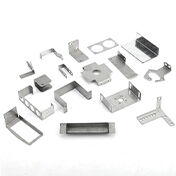
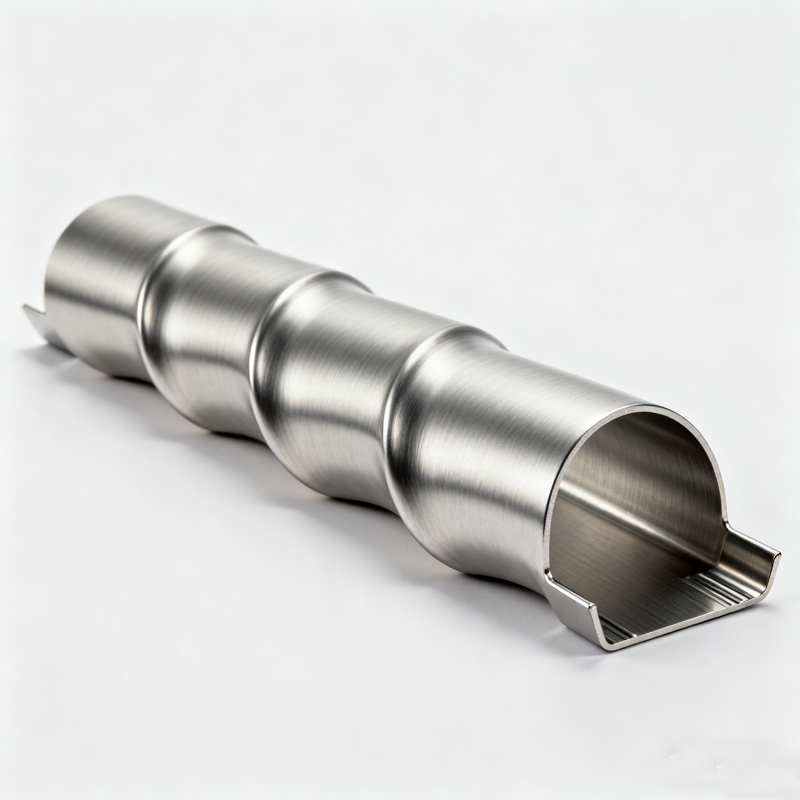
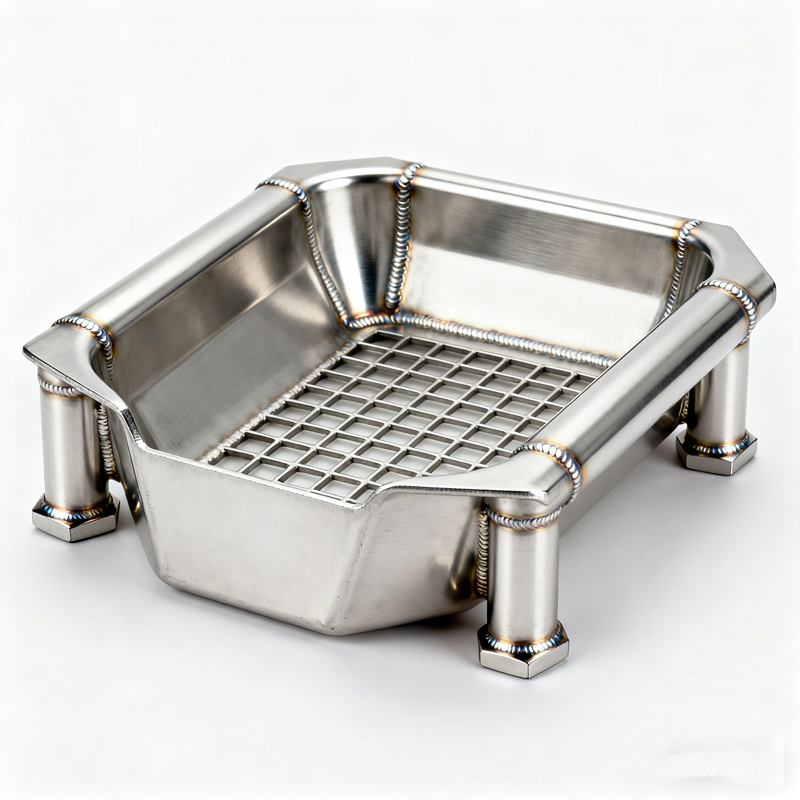
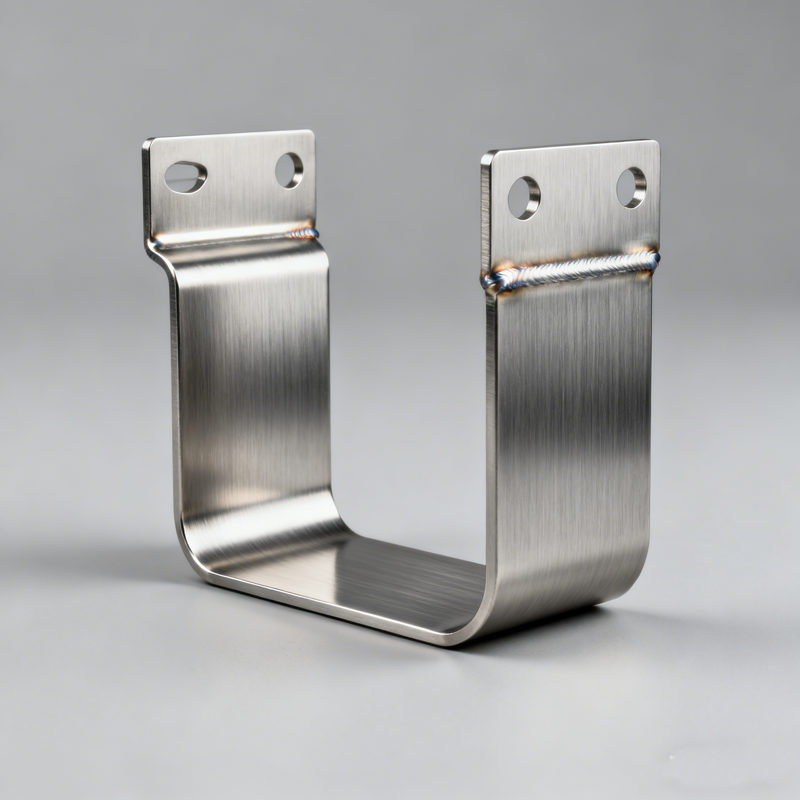
The sheet metal manufacturing process represents a fundamental industrial technique that transforms flat metal sheets into precise three-dimensional components through various forming, cutting, and joining operations. This sophisticated manufacturing method begins with raw metal sheets, typically made from steel, aluminum, stainless steel, or copper alloys, which undergo systematic transformation to create finished products. The sheet metal manufacturing process encompasses multiple stages including design preparation, material selection, cutting operations, forming procedures, welding techniques, surface treatments, and quality control measures. Each stage requires specialized equipment and skilled technicians to ensure optimal results. The primary functions of this manufacturing approach include creating structural components for automotive industries, producing enclosures for electronic equipment, fabricating architectural elements for construction projects, and manufacturing household appliances. Technological features distinguish the sheet metal manufacturing process through its versatility in handling different material thicknesses, ranging from ultra-thin foils to heavy-gauge plates. Advanced computer-controlled machinery enables precise cutting operations using laser technology, plasma cutting, and waterjet systems. Press brake operations allow complex bending configurations, while stamping processes create intricate shapes through progressive dies. Welding capabilities integrate multiple components into unified assemblies using TIG, MIG, and spot welding techniques. Modern sheet metal manufacturing process incorporates CAD/CAM software integration, enabling seamless transition from digital designs to physical products. Applications span numerous industries including aerospace manufacturing, where lightweight yet durable components are essential, medical device production requiring biocompatible materials, telecommunications infrastructure demanding weather-resistant enclosures, and renewable energy systems needing corrosion-resistant panels. The sheet metal manufacturing process also serves custom fabrication needs, prototype development, and high-volume production runs, making it indispensable across manufacturing sectors.

New Product Recommendations

The sheet metal manufacturing process offers remarkable cost-effectiveness that directly benefits your bottom line through efficient material utilization and reduced waste generation. Unlike other manufacturing methods that remove material through machining, this process shapes existing material without substantial loss, lowering raw material costs significantly. Production speed represents another major advantage, as modern sheet metal manufacturing process equipment can produce components rapidly through automated cutting and forming operations. High-volume production runs become economically viable, reducing per-unit costs while maintaining consistent quality standards throughout manufacturing cycles. Versatility stands as a cornerstone benefit, enabling manufacturers to work with diverse materials including carbon steel, stainless steel, aluminum, brass, and specialty alloys. This flexibility allows you to select optimal materials based on specific application requirements such as corrosion resistance, weight considerations, or electrical conductivity needs. The sheet metal manufacturing process accommodates both simple and complex geometries, from basic brackets to intricate enclosures with multiple bends, cuts, and formed features. Design freedom emerges as a significant advantage, permitting engineers to create lightweight structures that maintain exceptional strength-to-weight ratios. Thin-walled components reduce material consumption while preserving structural integrity, particularly valuable in automotive and aerospace applications where weight reduction directly impacts performance and fuel efficiency. Quality consistency represents a crucial benefit, as computer-controlled equipment ensures repeatable accuracy across production runs. Dimensional tolerances remain tight, typically within thousandths of an inch, eliminating costly rework and assembly issues. Surface finish options provide additional value through various treatments including powder coating, anodizing, galvanizing, and painting, enhancing both appearance and durability. Scalability benefits allow the sheet metal manufacturing process to accommodate everything from single prototypes to millions of production parts without fundamental process changes. Quick turnaround times enable rapid product development cycles, helping you respond faster to market demands. Environmental advantages include recyclability of metal materials and energy-efficient production methods compared to alternative manufacturing processes. Maintenance requirements for sheet metal components typically remain minimal due to inherent material durability and surface treatment options that resist corrosion, wear, and environmental degradation.

Latest News

Why Is Stainless Steel Grating Ideal for High-Load Environments?

17

Dec

Why Is Stainless Steel Grating Ideal for High-Load Environments?

In industrial and commercial environments where heavy loads and constant traffic are the norm, selecting the right flooring and drainage solutions becomes critical for operational safety and efficiency. Stainless steel grating has emerged as the pref...
View More
What Is Stainless Steel Coil and How Is It Made?

08

Jan

What Is Stainless Steel Coil and How Is It Made?

The manufacturing industry relies heavily on versatile materials that can withstand demanding environments while maintaining structural integrity. Among these materials, stainless steel coil stands as one of the most essential components in modern in...
View More
Why Choose Stainless Steel Rainwater Grates Over Plastic?

28

Jan

Why Choose Stainless Steel Rainwater Grates Over Plastic?

Modern urban infrastructure demands durable, efficient drainage solutions that can withstand environmental challenges while maintaining aesthetic appeal. When selecting drainage components for commercial, residential, or municipal applications, the c...
View More
What Is Sheet Metal Processing and How Does It Work?

11

Mar

What Is Sheet Metal Processing and How Does It Work?

Sheet metal processing represents a fundamental manufacturing discipline that transforms flat metal sheets into functional components through various fabrication techniques. This versatile manufacturing approach encompasses cutting, forming, joining,...
View More

Get a Free Quote

Our representative will contact you soon.
Email
Name
Company Name
Message
0/1000

sheet metal manufacturing process

Precision Engineering Through Advanced Automation

Precision Engineering Through Advanced Automation

The sheet metal manufacturing process has revolutionized precision engineering through sophisticated automation technologies that deliver unmatched accuracy and consistency in component production. Computer Numerical Control systems integrate seamlessly with CAD software, enabling direct translation of digital designs into physical products with tolerances as tight as ±0.005 inches. This precision level ensures perfect fit and function in assemblies, eliminating costly modifications and reducing assembly time significantly. Laser cutting technology represents a pinnacle achievement in the sheet metal manufacturing process, providing clean, burr-free edges that often require no secondary operations. High-powered fiber lasers can cut through various materials with exceptional speed while maintaining edge quality superior to traditional cutting methods. The heat-affected zone remains minimal, preserving material properties adjacent to cut edges. Automated material handling systems work in conjunction with cutting equipment, positioning sheets accurately and removing finished parts without human intervention. This automation reduces labor costs while eliminating human error that could compromise dimensional accuracy. Press brake automation incorporates back-gauge positioning systems and angle measurement devices that ensure consistent bend angles across thousands of parts. Robotic systems can load and unload parts, measure dimensions during production, and sort components based on quality specifications. The sheet metal manufacturing process benefits from real-time monitoring systems that track production parameters, detecting deviations before they result in defective parts. Statistical process control integrated into manufacturing systems provides immediate feedback on dimensional variations, enabling proactive adjustments that maintain quality standards. Tool wear monitoring prevents degradation in cut quality or forming accuracy by scheduling maintenance before problems occur. Vision systems inspect parts during production, identifying defects such as incomplete cuts, incorrect dimensions, or surface blemishes. These automated quality control measures ensure that every component meets specifications, reducing waste and eliminating the need for extensive manual inspection. Advanced nesting software optimizes material utilization by arranging parts efficiently on sheets, minimizing waste while maximizing productivity. The integration of these technologies makes the sheet metal manufacturing process increasingly competitive compared to alternative manufacturing methods.
Material Versatility and Superior Performance Characteristics

Material Versatility and Superior Performance Characteristics

The sheet metal manufacturing process excels in its exceptional ability to work with an extensive range of materials, each offering unique properties that can be optimized for specific applications and performance requirements. This versatility enables engineers and designers to select materials based on precise functional needs rather than manufacturing limitations. Stainless steel grades provide outstanding corrosion resistance, making them ideal for food processing equipment, medical devices, and marine applications where hygiene and durability are paramount. The sheet metal manufacturing process can handle various stainless steel grades from 304 for general applications to 316L for enhanced chemical resistance, and even exotic grades like 2205 duplex for extreme environments. Aluminum alloys offer exceptional strength-to-weight ratios, crucial for aerospace and automotive applications where weight reduction directly impacts performance and efficiency. The sheet metal manufacturing process accommodates aluminum grades from 1100 for electrical applications to 7075 for structural components requiring maximum strength. Carbon steel provides cost-effective solutions for structural applications, while specialized treatments during the sheet metal manufacturing process can enhance properties through heat treatment or surface hardening. Advanced high-strength steels enable thinner gauge materials that maintain structural integrity, reducing weight and material costs simultaneously. Copper and brass materials processed through sheet metal manufacturing process techniques create components with excellent electrical and thermal conductivity, essential for electronic housings and heat exchangers. The malleability of these materials allows complex forming operations while maintaining electrical properties. Specialized alloys including Inconel, Hastelloy, and titanium can be processed for extreme temperature and corrosive environments, expanding applications into chemical processing, aerospace, and energy generation sectors. Surface treatments available during the sheet metal manufacturing process further enhance material performance through galvanizing for corrosion protection, powder coating for aesthetic and protective finishes, and anodizing for aluminum components requiring enhanced wear resistance. These treatments can be applied selectively to specific areas or uniformly across entire components, providing design flexibility. The sheet metal manufacturing process preserves inherent material properties while enabling complex geometries impossible to achieve through other manufacturing methods. Cold working effects from forming operations can actually increase material strength through work hardening, improving structural performance beyond base material specifications.
Economic Efficiency and Rapid Production Capabilities

Economic Efficiency and Rapid Production Capabilities

The sheet metal manufacturing process delivers unparalleled economic efficiency through optimized production methodologies that minimize waste, reduce labor requirements, and accelerate time-to-market for new products. Material utilization rates consistently exceed 85% through advanced nesting algorithms and efficient cutting patterns, significantly reducing raw material costs compared to subtractive manufacturing processes. Unlike machining operations that remove material as waste, the sheet metal manufacturing process shapes existing material, converting nearly all input material into finished products or recyclable scrap. High-speed production capabilities enable rapid manufacturing cycles that meet demanding delivery schedules while maintaining cost competitiveness. Modern laser cutting systems can process materials at speeds exceeding 2000 inches per minute for thin gauges, while maintaining precision tolerances throughout extended production runs. Automated loading and unloading systems minimize handling time between operations, creating continuous workflow that maximizes equipment utilization. The sheet metal manufacturing process accommodates both prototype development and high-volume production using identical equipment and processes, eliminating the need for separate tooling investments during product development phases. This capability reduces development costs and accelerates product launch timelines significantly. Setup times for new jobs remain minimal due to computer-controlled equipment that stores programs for repeat orders, enabling quick changeovers between different products. Batch processing capabilities allow manufacturers to group similar operations, reducing setup frequency while maintaining production efficiency. Labor efficiency gains result from automation integration and simplified material handling procedures inherent in the sheet metal manufacturing process. Skilled operators can manage multiple machines simultaneously, increasing productivity while reducing per-unit labor costs. Quality consistency eliminates rework expenses and reduces inspection requirements, as process control systems maintain dimensional accuracy automatically. Energy efficiency advantages emerge through optimized cutting patterns that minimize machine runtime and reduced material handling requirements. The sheet metal manufacturing process typically requires less energy per finished component compared to casting or forging operations, contributing to lower overall production costs. Inventory advantages include reduced storage requirements for raw materials, as standard sheet stock serves multiple product lines, and finished goods that nest efficiently for compact storage and shipping. Rapid prototyping capabilities enable design validation without significant tooling investments, reducing development risks and accelerating innovation cycles essential for competitive market positioning.

Get a Free Quote

Our representative will contact you soon.
Email
Name
Company Name
Message
0/1000