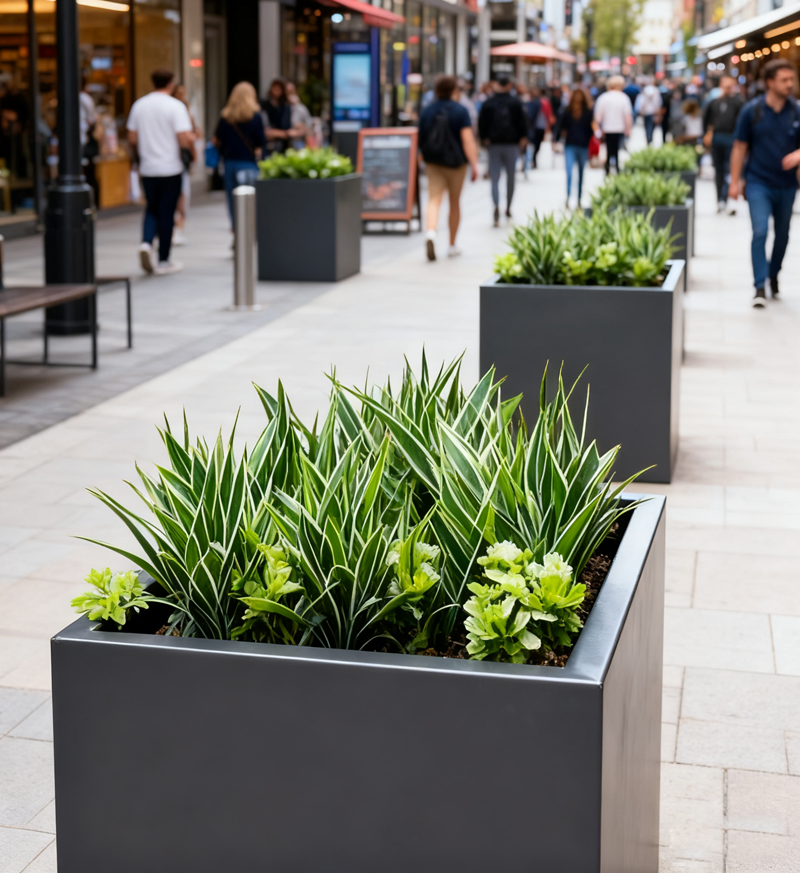
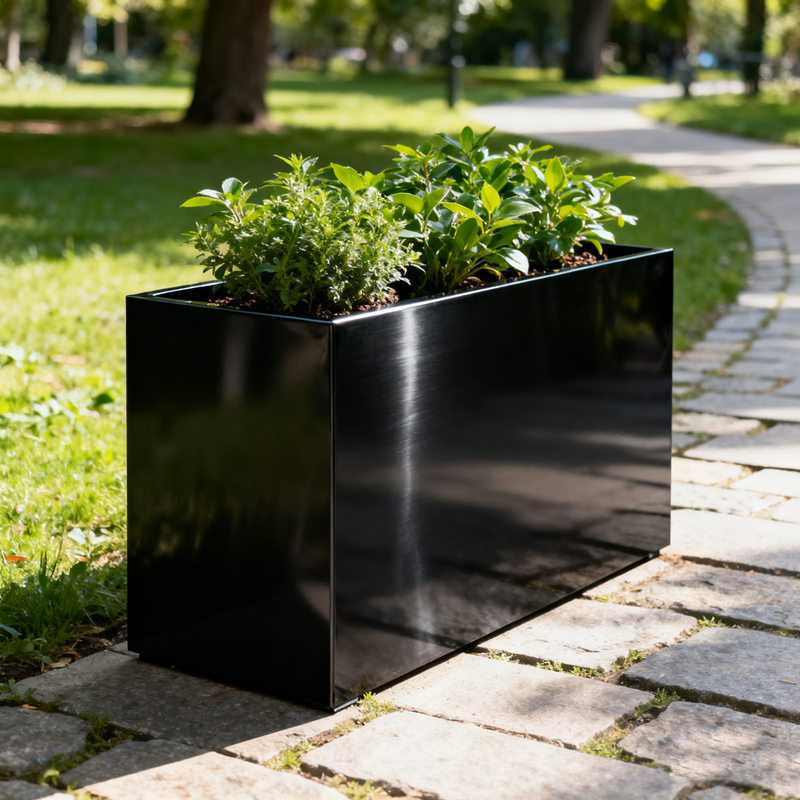
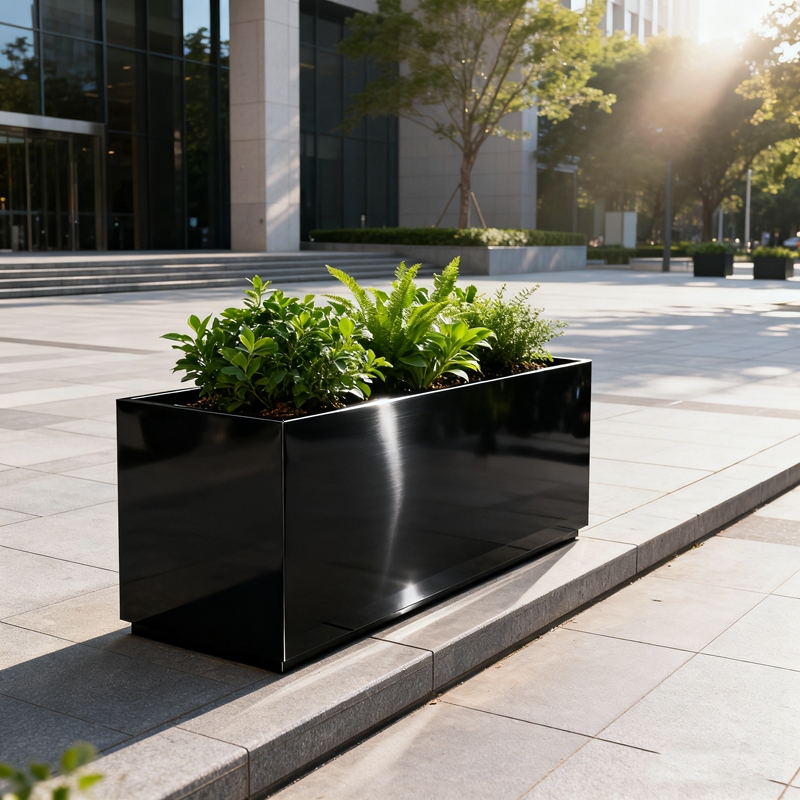
exterior flower boxes
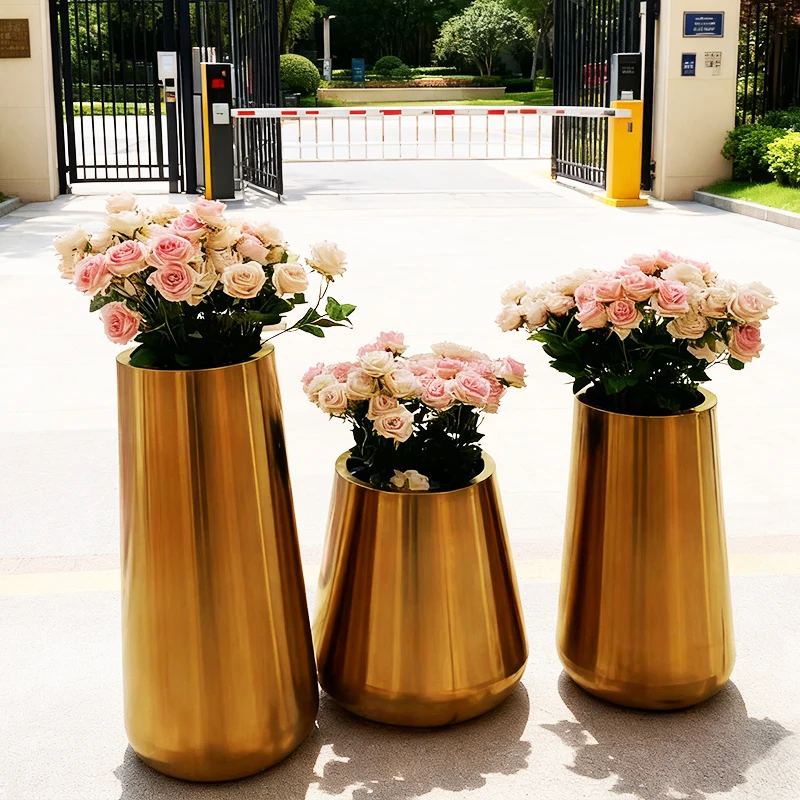
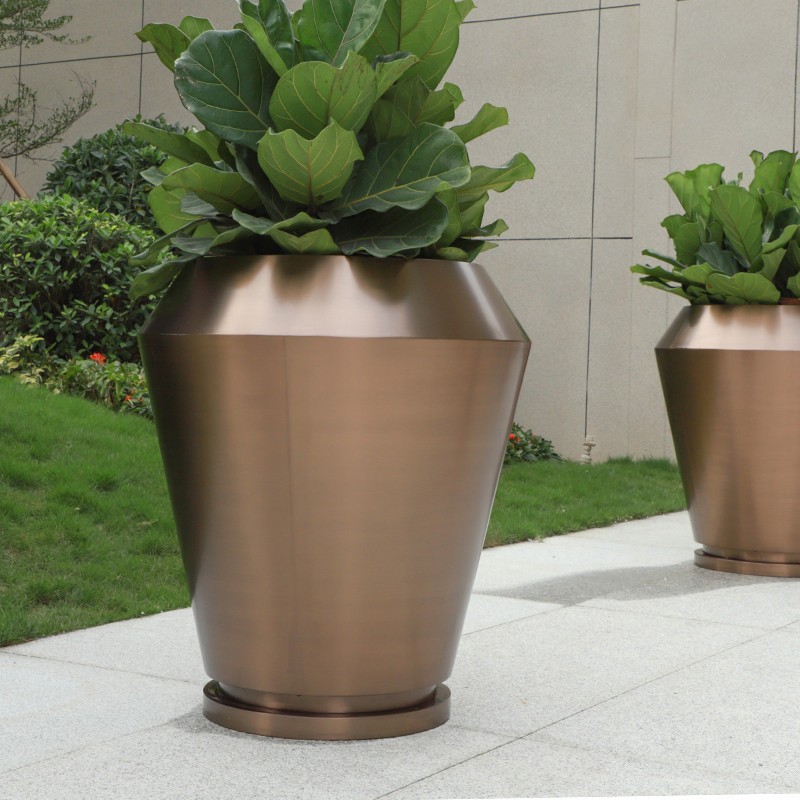
Exterior flower boxes are decorative planters designed to enhance the curb appeal and aesthetic beauty of buildings, homes, and commercial spaces. These versatile containers serve as the primary function of displaying vibrant flowers, plants, and greenery on external surfaces such as windows, walls, railings, and balconies. Exterior flower boxes combine traditional design with modern functionality, offering homeowners and business owners an effective way to beautify their properties while maximizing limited outdoor space.
These exterior flower boxes feature advanced technological innovations that ensure durability and longevity. Many modern designs incorporate weather-resistant materials including reinforced plastic, fiberglass, and treated wood that withstand harsh environmental conditions, UV exposure, and temperature fluctuations. Built-in drainage systems prevent water accumulation and root rot, promoting healthy plant growth throughout the seasons. Some exterior flower boxes include self-watering mechanisms that reduce maintenance requirements and ensure consistent moisture levels for optimal plant health.
Exterior flower boxes find extensive applications across residential, commercial, and hospitality sectors. Homeowners use them to frame windows and entrances, while restaurants and retail establishments leverage exterior flower boxes to create inviting storefronts that attract customers. Hotels, office buildings, and public spaces utilize these planters for landscape design and environmental beautification. Whether mounted on exterior walls, suspended from railings, or placed on shelves, exterior flower boxes provide flexible solutions for adding natural elements to any outdoor setting, transforming drab exteriors into vibrant, living spaces that reflect personal style and sophistication.

 EN
EN