Effortless Maintenance and Lasting Aesthetic Appeal
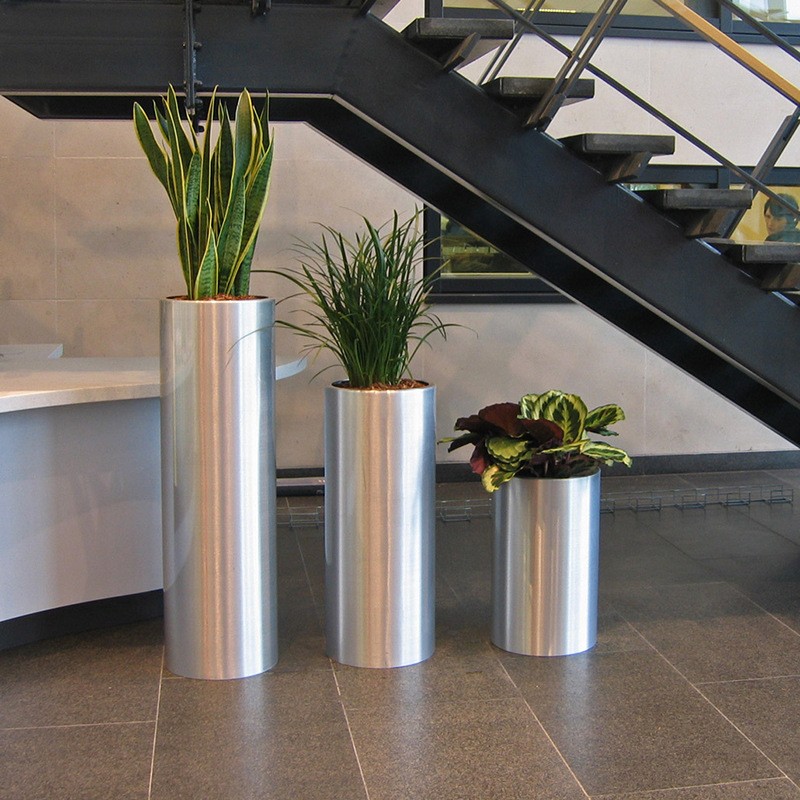
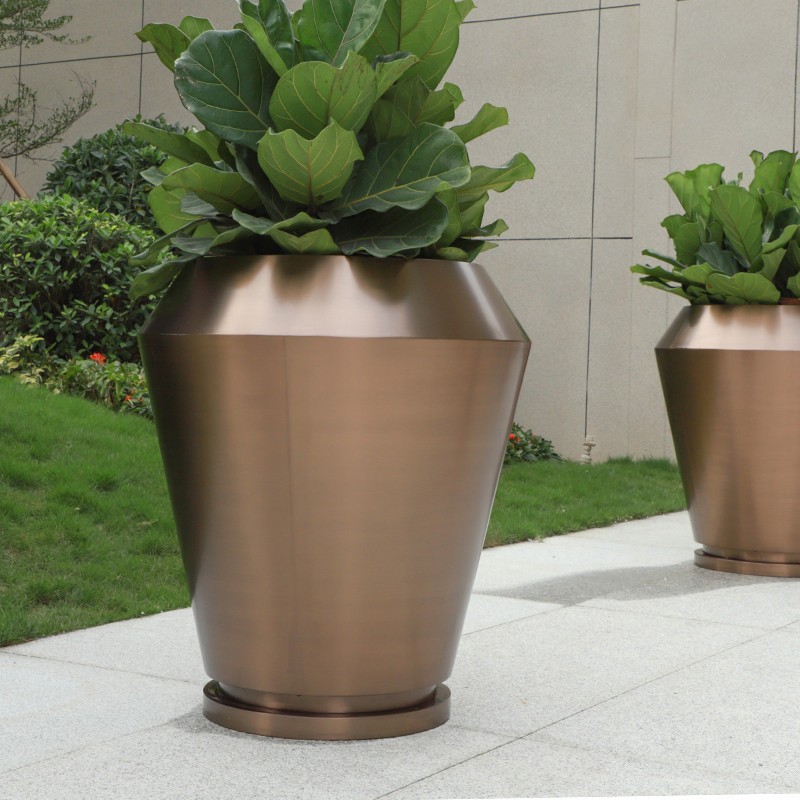
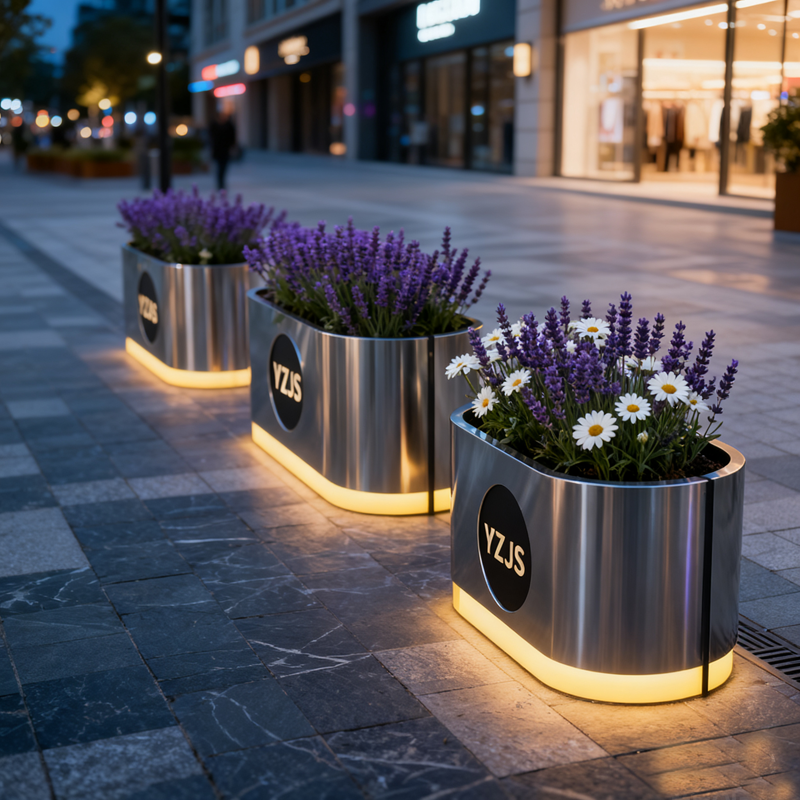
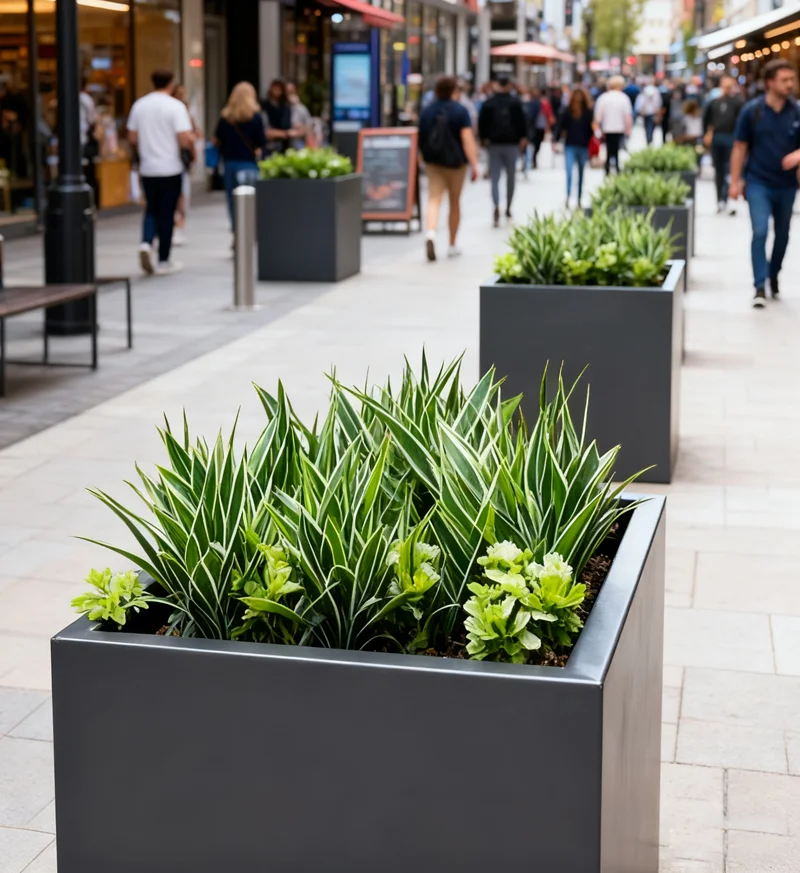
The maintenance advantages of a stainless steel planter box transform routine garden care from a time-consuming chore into simple, efficient tasks that preserve both function and beauty with minimal effort or expense. Unlike wooden planters that require annual staining, sealing, or replacement of rotted components, stainless steel surfaces maintain their integrity and appearance through basic cleaning with standard household products. The non-porous surface prevents absorption of stains, odors, or contaminants that can permanently damage other materials, ensuring that spilled fertilizers, soil amendments, or organic matter wash away completely without leaving lasting marks or discoloration. Algae and moss growth, common problems on porous surfaces in humid environments, cannot establish on properly finished stainless steel surfaces, eliminating the scrubbing and chemical treatments required to maintain other planter materials. The smooth interior surfaces of quality stainless steel planter boxes resist bacterial and fungal colonization that can create unhealthy growing conditions or unpleasant odors, particularly important for indoor installations or food-producing plants. Seasonal maintenance requirements remain minimal, typically involving only debris removal and occasional washing, compared to the extensive care needed for wooden planters that must be emptied, treated, and refinished periodically. The lasting aesthetic appeal stems from the material's inherent resistance to fading, chalking, or surface degradation that diminishes the appearance of painted or coated planters over time. Professional-grade finishes maintain their luster and color consistency for decades, supporting long-term landscape design integrity and property value enhancement. Scratch resistance built into quality stainless steel surfaces means that normal gardening activities, tool contact, and handling do not create permanent damage or unsightly marks that compromise visual appeal. Investment protection through maintained appearance ensures that stainless steel planter boxes continue contributing to property aesthetics and market value throughout their extended service life, unlike deteriorating alternatives that become eyesores requiring replacement. Cost efficiency emerges from the elimination of ongoing maintenance expenses, refinishing projects, and premature replacement costs that make inferior planters expensive over their shortened lifespans. Environmental benefits include reduced waste generation and chemical usage compared to maintenance-intensive alternatives, supporting sustainable gardening practices while delivering superior performance and appearance retention.