sheet ya chuma la kibaridi la kupakuliwa
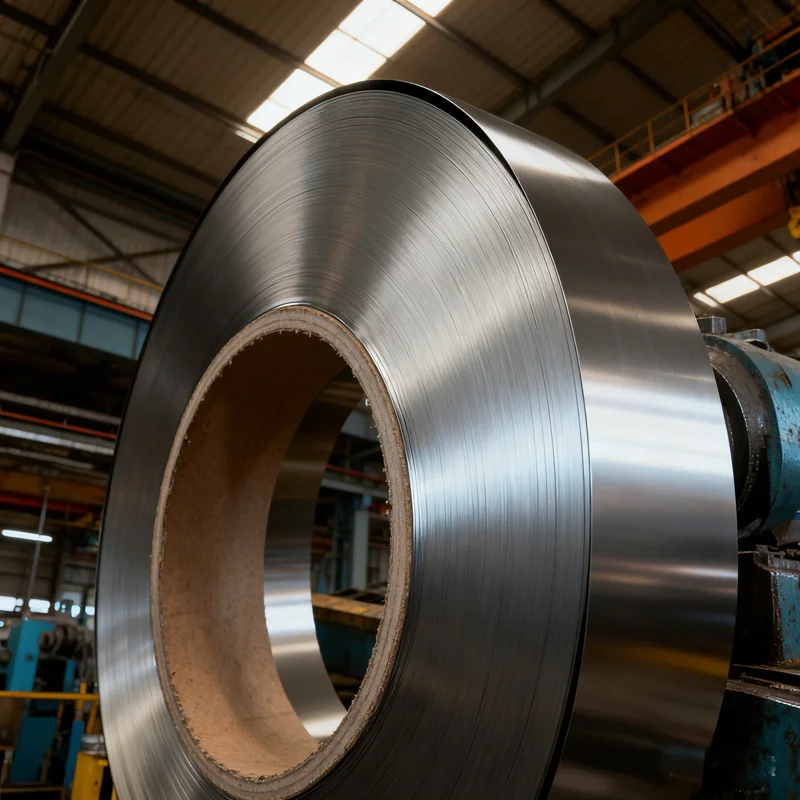
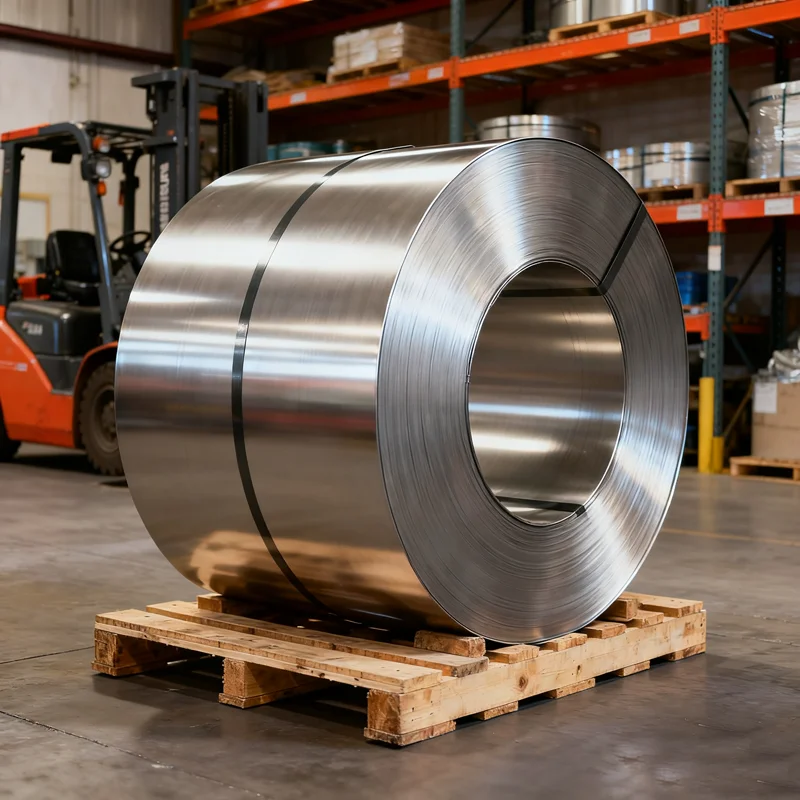
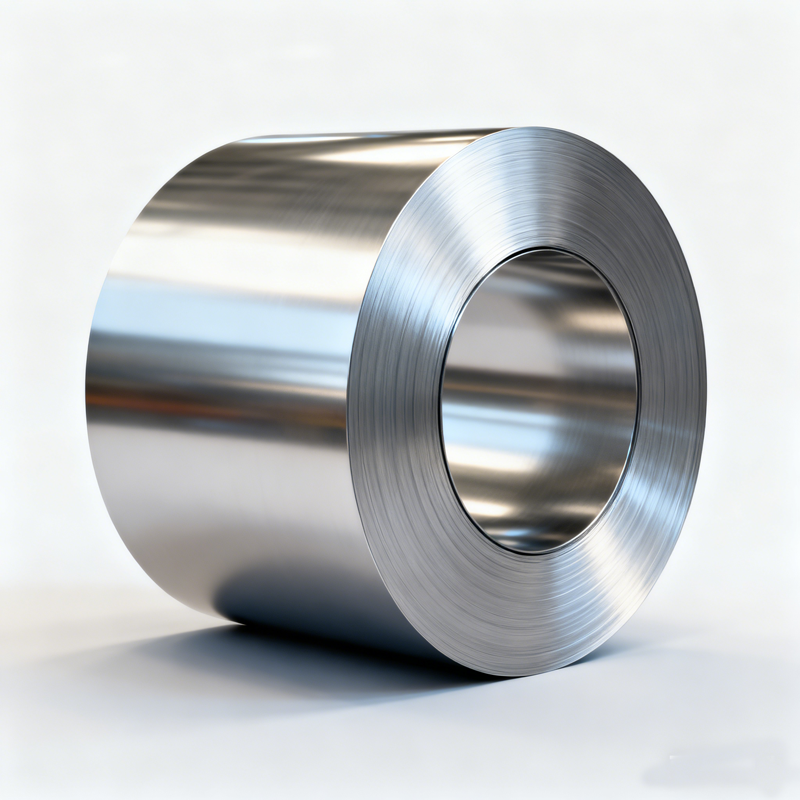
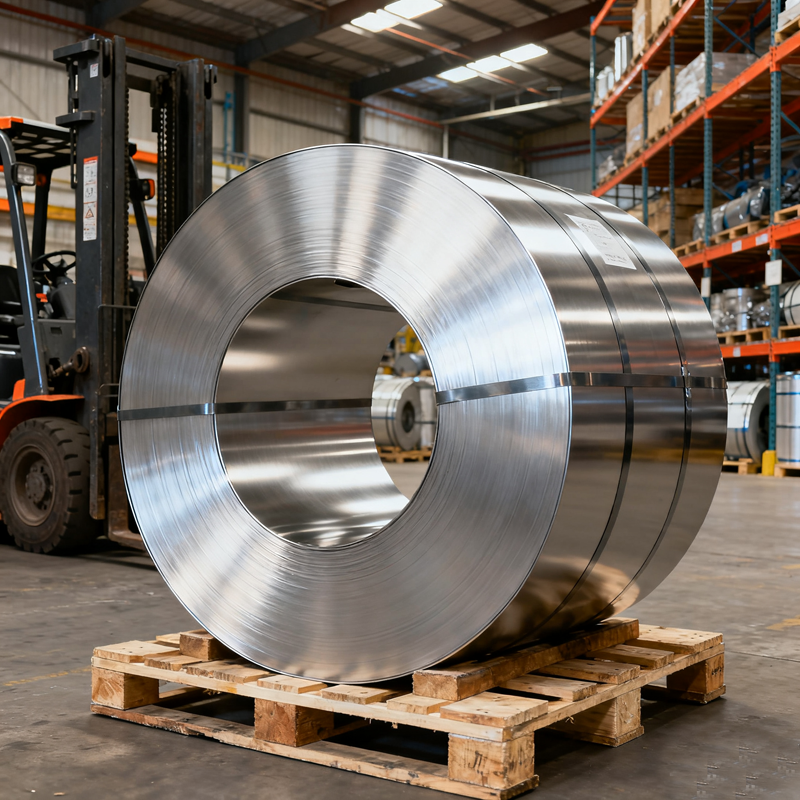
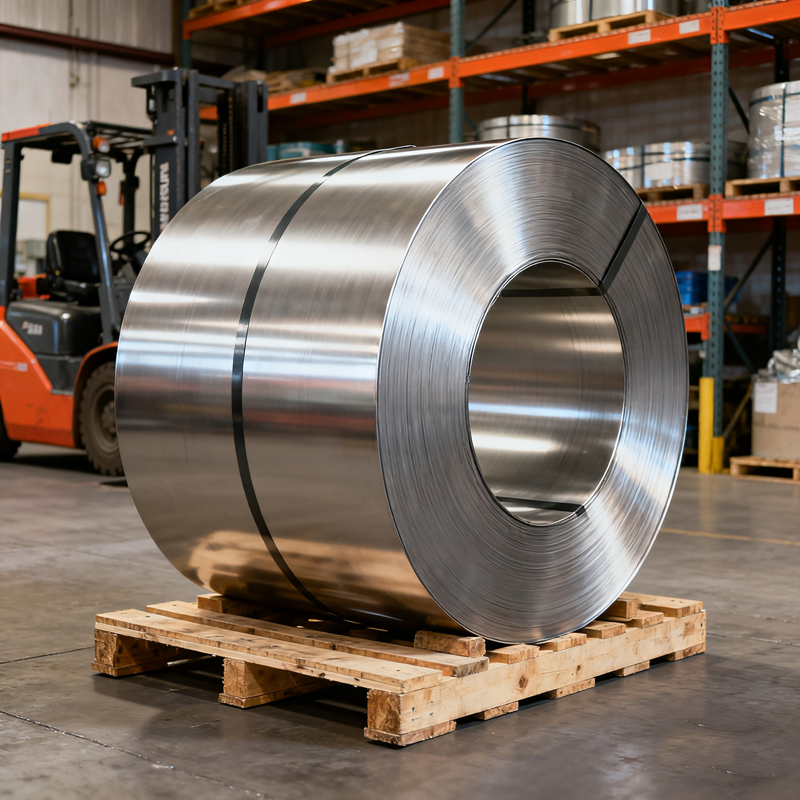
Karatasi ya chuma cha barafu iliyopandwa kwenye mzunguko inawakilisha bidhaa ya chuma ya daraja la juu iliyotengenezwa kupitia mchakato wa kuondoa ukuaji unaofanyika katika joto la mazingira. Mchakato huu wa kutengeneza unahusisha kupitisha chuma kilichopandwa kwa joto kupitia mfululizo wa vifurushi bila kutumia joto, ikasababisha bidhaa ya chuma bora zaidi yenye usahihi wa ukubwa na ubora wa uso uliobolele. Mchakato wa kupandwa kwa baridi unapunguza kwa kiasi kikubwa u thickness wa chuma wakati huo huo ukibadilisha sifa zake za kimwili, kujenga chombo cha kielimu kinachoweza kutumika katika maombi mengi ya viwanda. Fomati ya mzunguko inatoa faida za kufanya kazi kwa urahisi, uhifadhi, na usafirishaji, ikafanya karatasi ya chuma cha baridi iliyopandwa kwenye mzunguko kuwa chaguo bora kwa watajiri wanaohitaji vitu vya ubora wa mara kwa mara. Sifa za teknolojia za karatasi ya chuma cha baridi iliyopandwa kwenye mzunguko zinajumuisha ubovu bora wa uso, uboreshaji wa u thickness wa kina, ongezeko la nguvu ya kuchukua, na uboreshaji wa sifa za kufanya umbo. Sifa hizi zinatokana na shinikizo lililochaguliwa kwa makini wakati wa mchakato wa kupandwa kwa baridi, ambalo linashikilia muundo wa mizizi ya chuma na kulifuta udhaifu wa uso uliopo katika chuma kilichopandwa kwa joto. Mchakato wa kutengeneza pia unahusisha hatua za udhibiti wa ubora kwa kina, kuhakikisha kwamba kila mzunguko unakidhi viwango vya juu vya sekta kwa mujibu wa tarkib ya kemikali, sifa za kimwili, na vipimo vya ukubwa. Karatasi ya chuma cha baridi iliyopandwa kwenye mzunguko inatumika kwa upanuzi mkubwa katika utengenezaji wa magari, sekta ya ujenzi, utengenezaji wa vifaa vya nyumbani, na sekta za uhandisi wa kielimu. Watajiri wa magari wanaatumia chombo hiki kwa sehemu za mwili wa gari, sehemu za muundo, na vipande vya kuzisheha kwa sababu ya uboreshaji wake wa kufanya umbo na ubora wa uso. Matumizi ya ujenzi yajumuisha vifaa vya kufunga mabawa, vifaa vya kufunga ukuta, na vya kujenga vya kiutamaduni ambapo ubora wa maoni na uvimbe ni muhimu sana. Sekta ya vifaa vya nyumbani inategemea sana karatasi ya chuma cha baridi iliyopandwa kwenye mzunguko kwa kutengeneza barafis, vifaa vya kusafisha mavazi, na vifaa vingine vya nyumbani vinavyohitaji uso mbovu na uwezo wa kufanya umbo kwa usahihi. Pia, sekta ya elektroniki inatumia chombo hiki kwa kufunga kompyuta, kufunga serba, na vifaa vingine vya kielektroniki ambapo sifa za kuzuia umeme na usahihi wa vipimo vya ukubwa ni mahitaji muhimu.

 EN
EN