ceramic tile edge stainless steel trim
Ceramic tile edge stainless steel trim is a professional finishing solution designed to protect and enhance the appearance of tile installations. This specialized product serves as a protective border that conceals rough tile edges while providing a polished, seamless transition between surfaces. The ceramic tile edge stainless steel trim combines functionality with aesthetic appeal, making it an essential component in both residential and commercial tiling projects.
The primary function of ceramic tile edge stainless steel trim is to create a clean, finished edge that prevents moisture penetration and protects against chipping or damage. The stainless steel construction offers superior durability and corrosion resistance, ensuring long-lasting performance in humid environments such as bathrooms, kitchens, and swimming pools. This trim works by covering the exposed edges of ceramic tiles, creating a professional appearance while maintaining structural integrity.
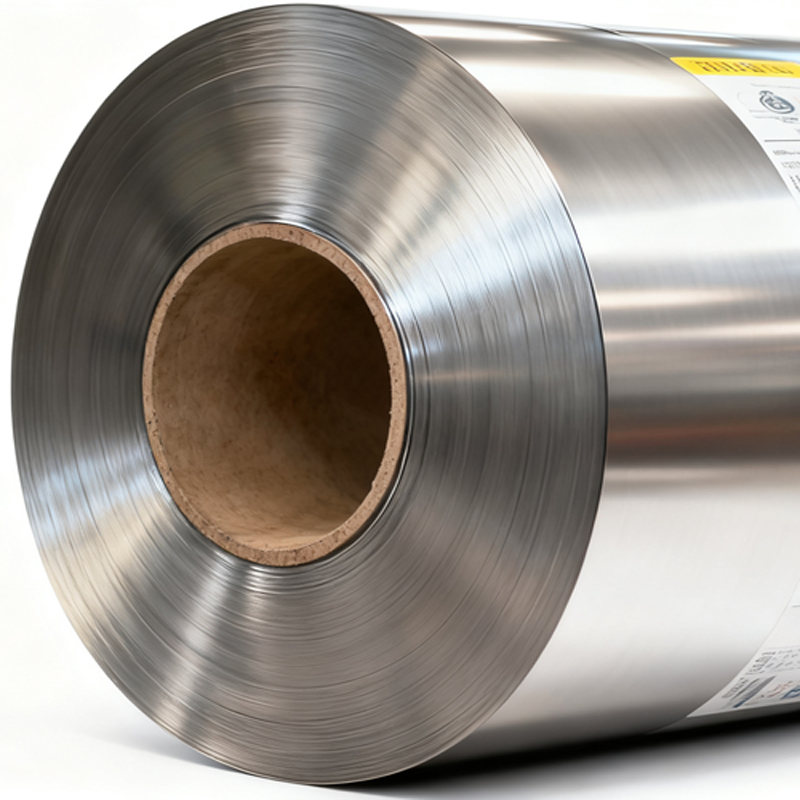
Technologically, ceramic tile edge stainless steel trim features advanced manufacturing processes that ensure precise dimensioning and consistent quality. The stainless steel material resists rust, staining, and discoloration, making maintenance effortless. Available in various profiles and finishes, ceramic tile edge stainless steel trim accommodates different tile thicknesses and design preferences. Installation is straightforward, utilizing adhesive or mechanical fastening methods for secure attachment.
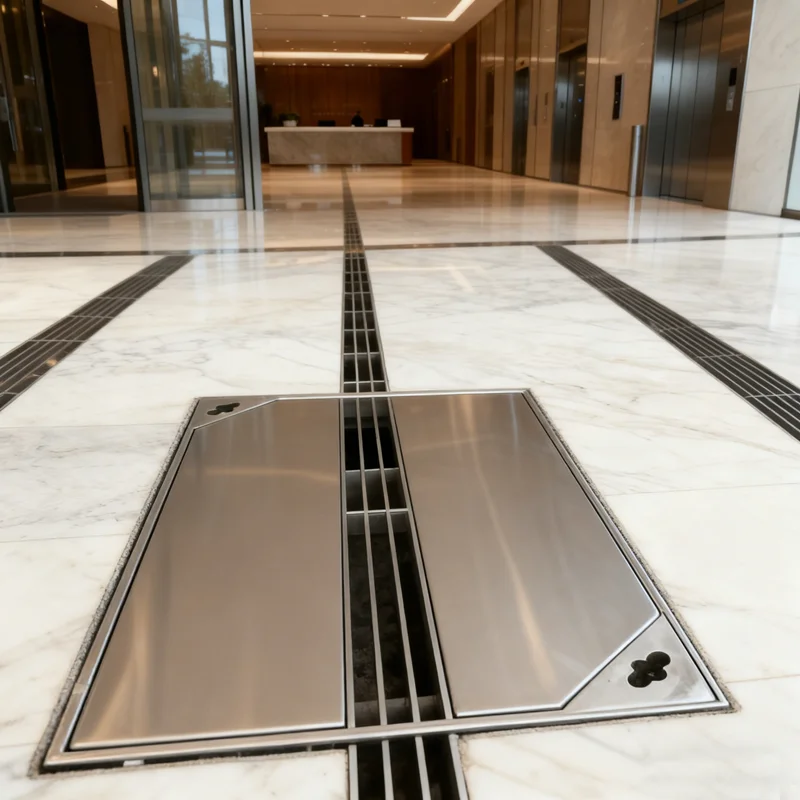
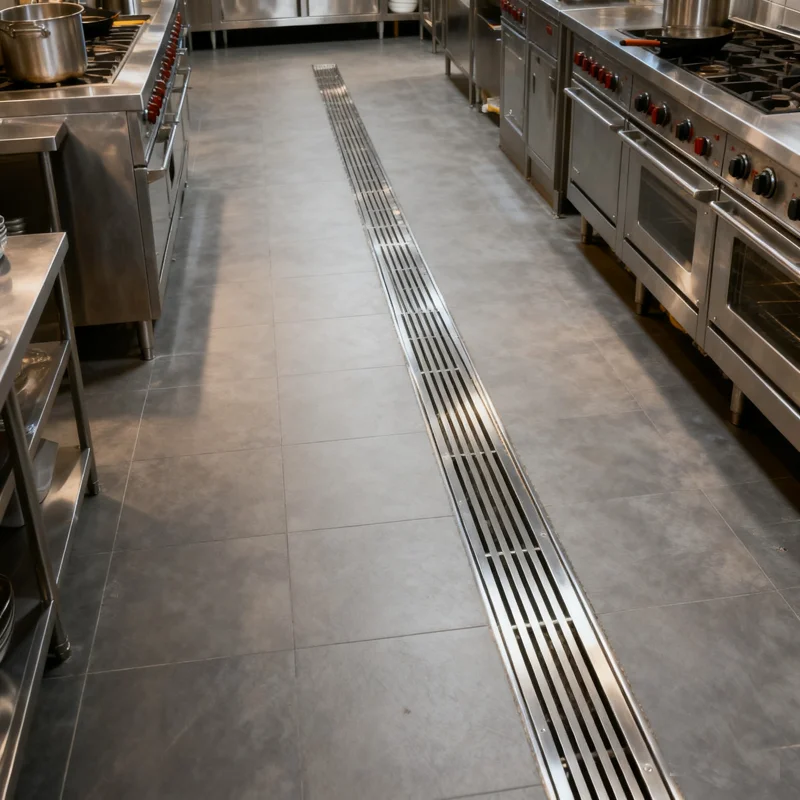
Applications span diverse sectors including residential bathrooms, kitchen backsplashes, commercial kitchens, hospitality settings, and spa facilities. Designers and contractors prefer ceramic tile edge stainless steel trim for its versatility, strength, and ability to elevate the overall aesthetic quality of tile installations. Whether completing a renovation or new construction project, this trim provides the finishing touch that transforms good tilework into exceptional craftsmanship.

 EN
EN