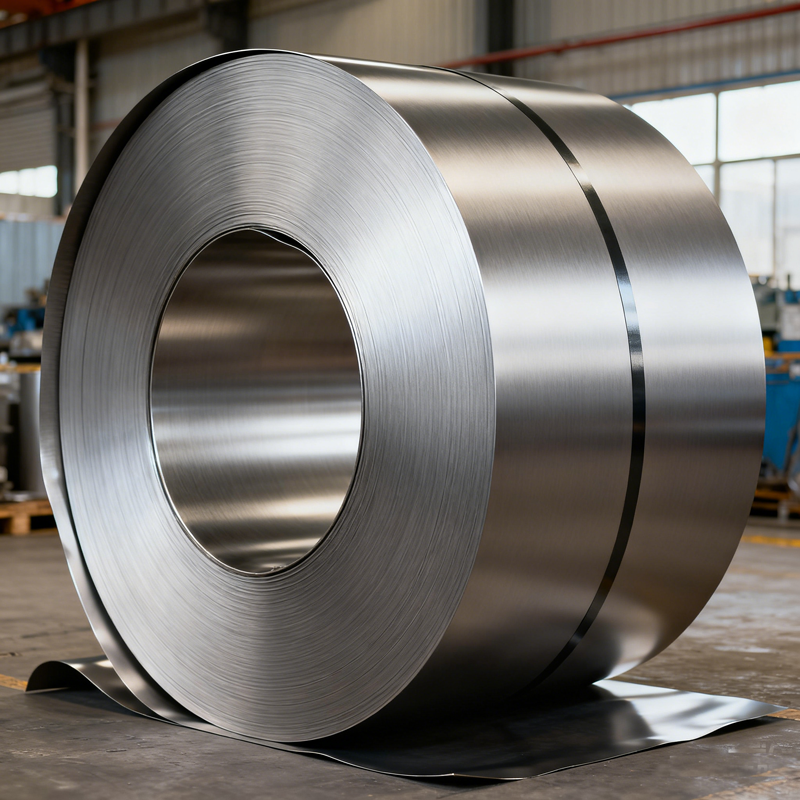
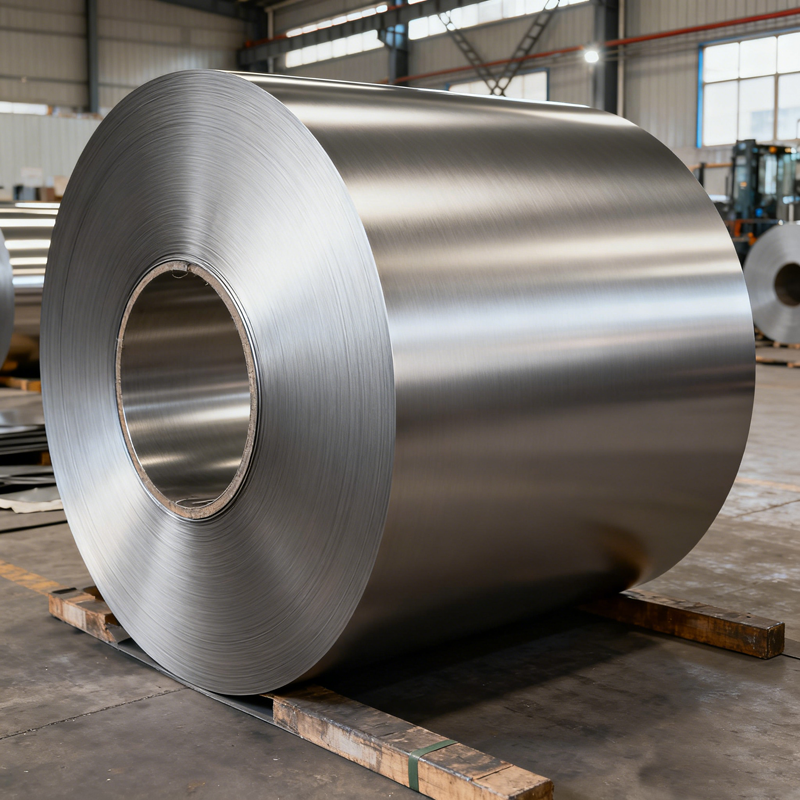
stainless steel slit coil
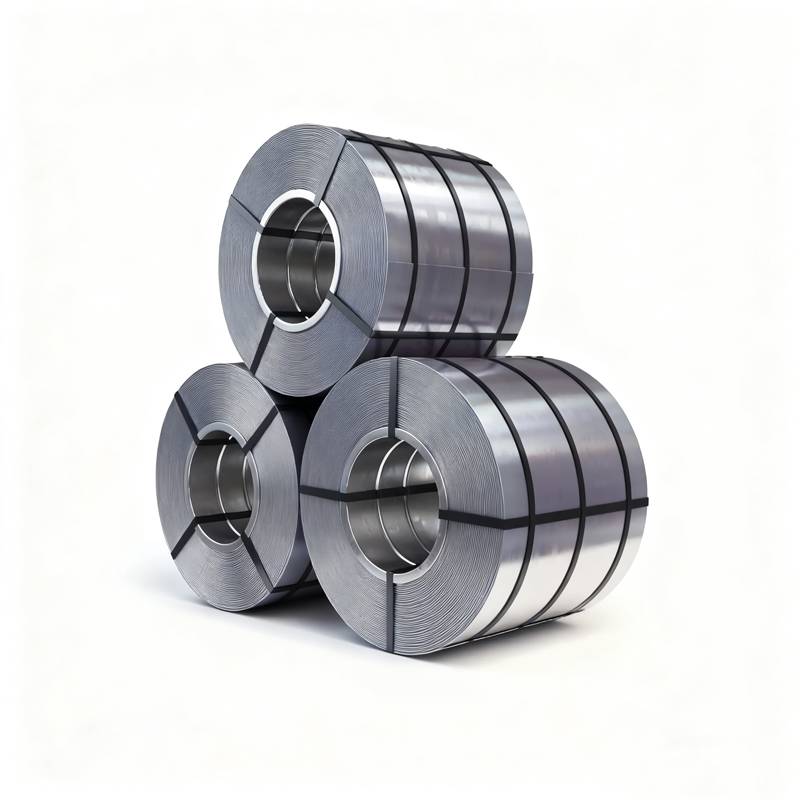
A stainless steel slit coil represents a precision-engineered metal product manufactured through advanced slitting technology. This specialized stainless steel slit coil is created by cutting wide coils of stainless steel into narrower strips while maintaining exact dimensional specifications and superior surface quality. The stainless steel slit coil serves as a fundamental component across multiple industrial sectors, providing manufacturers with pre-sized material ready for immediate production use.
The primary function of a stainless steel slit coil involves delivering pre-cut stainless steel strips that eliminate the need for secondary cutting operations. This stainless steel slit coil technology ensures consistent width tolerances, uniform thickness, and flawless edges that meet rigorous industry standards. The manufacturing process involves precision slitting equipment that cuts master coils with minimal waste while preserving the material's structural integrity and corrosion-resistant properties.
Key technological features of the stainless steel slit coil include advanced slitting machinery, precision blade alignment systems, and automated quality control measures. These features guarantee that each stainless steel slit coil meets exact specifications for width, thickness, and edge quality. The product maintains the inherent benefits of stainless steel, including superior corrosion resistance, durability, and aesthetic appeal, making it suitable for demanding applications requiring both performance and longevity.

 EN
EN