Premium 316 Stainless Steel Grating - Superior Corrosion Resistance for Industrial Applications

All Categories

Get a Free Quote

Our representative will contact you soon.
Email
Name
Company Name
Message
0/1000

316 stainless steel grating

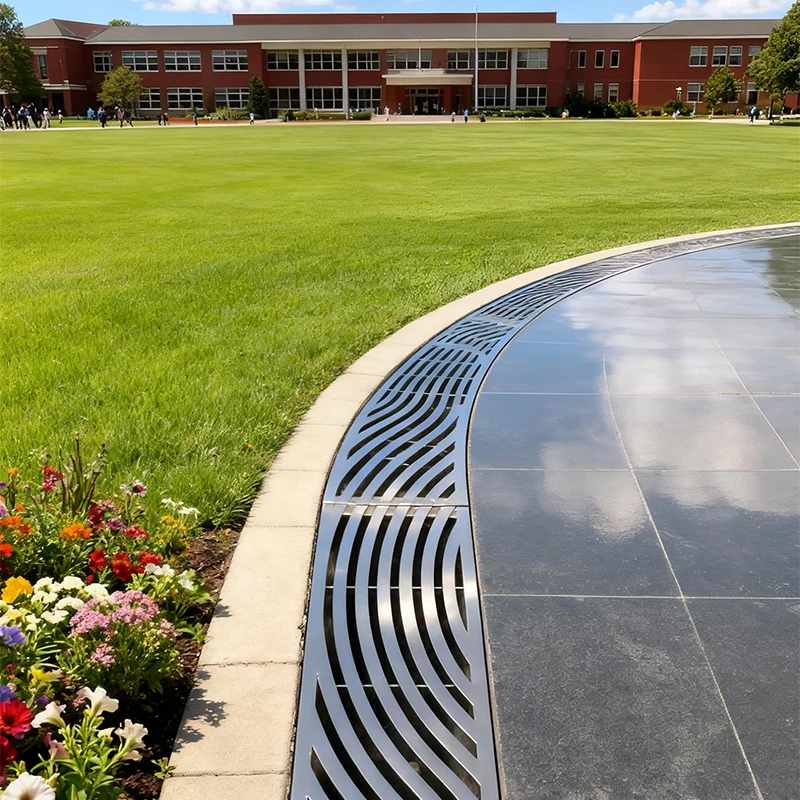
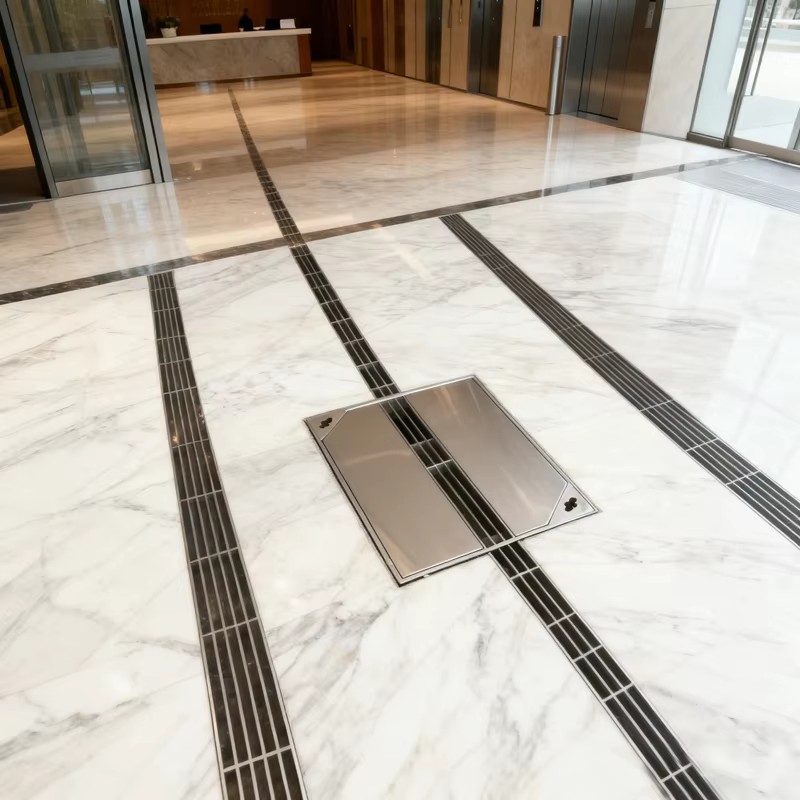
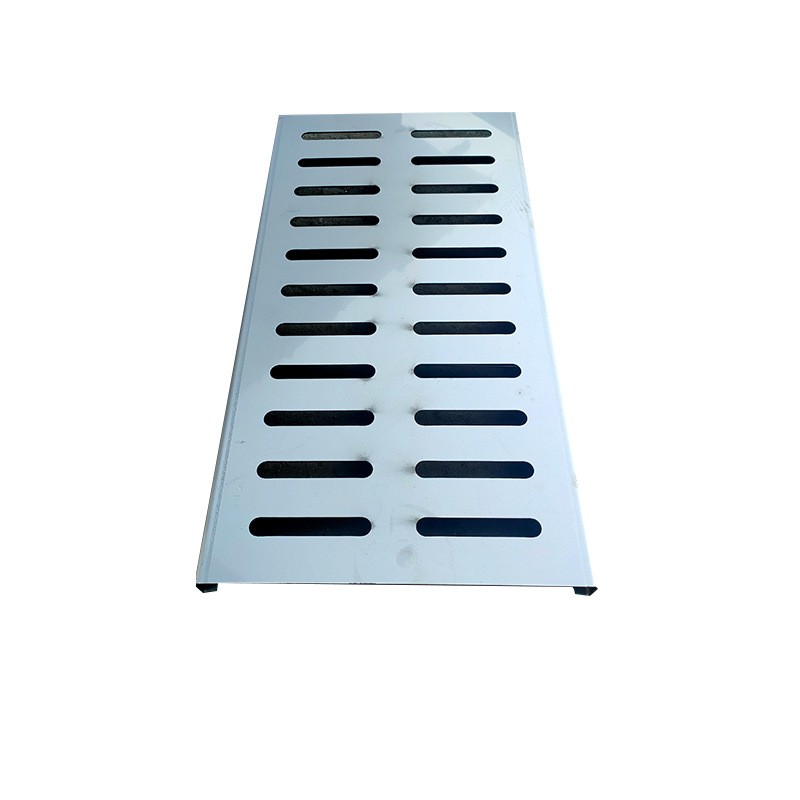
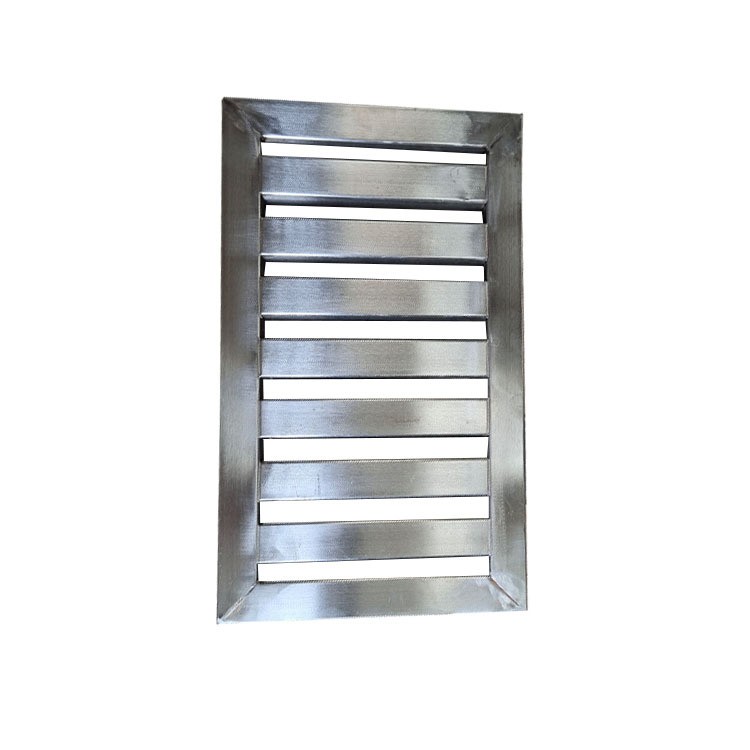
The 316 stainless steel grating represents a premium industrial flooring and drainage solution engineered for demanding environments where superior corrosion resistance and structural integrity are paramount. This specialized grating system combines the exceptional properties of 316-grade stainless steel with precision manufacturing techniques to deliver unmatched performance in harsh operating conditions. The 316 stainless steel grating features enhanced molybdenum content, typically ranging from 2-3%, which significantly improves its resistance to chlorides, acids, and marine environments compared to standard steel alternatives. The grating's open-bar design facilitates excellent drainage capabilities while maintaining robust load-bearing capacity across various span lengths. Manufacturing processes involve precision welding or press-locking techniques that create secure intersections between bearing bars and cross rods, ensuring dimensional stability under extreme loads and thermal cycling. The surface treatment options include mill finish, pickled and passivated, or electropolished finishes that further enhance corrosion resistance and cleanability. Key technological features encompass slip-resistant surface patterns, customizable opening sizes for specific drainage requirements, and modular panel configurations that simplify installation procedures. The grating system accommodates various bearing bar profiles including flat bars, serrated bars, and I-bars to meet specific load distribution needs. Applications span across chemical processing facilities, pharmaceutical manufacturing plants, offshore oil platforms, water treatment facilities, food processing operations, and marine infrastructure projects. The 316 stainless steel grating serves critical functions in pedestrian walkways, equipment platforms, drainage covers, stair treads, and security barriers where long-term reliability and minimal maintenance are essential requirements.

New Product Releases

The 316 stainless steel grating delivers exceptional value through its superior corrosion resistance properties that significantly extend service life in challenging environments. Unlike carbon steel alternatives that require frequent replacement due to rust and deterioration, this premium grating maintains structural integrity for decades with minimal maintenance requirements. The enhanced chromium-nickel-molybdenum composition creates a passive oxide layer that self-heals when scratched, providing continuous protection against aggressive chemicals, saltwater exposure, and acidic conditions. This translates into substantial cost savings over the product lifecycle as facility managers eliminate frequent replacement costs and reduce downtime associated with grating failures. The lightweight design of 316 stainless steel grating reduces installation complexity while maintaining superior strength-to-weight ratios compared to traditional materials. Installation teams benefit from easier handling procedures and reduced structural support requirements, leading to faster project completion times and lower labor costs. The open-bar configuration promotes excellent drainage and ventilation characteristics that prevent water accumulation and improve safety conditions in wet environments. This design feature eliminates slip hazards while allowing debris to fall through rather than accumulating on walking surfaces. Cleaning and maintenance procedures become significantly simplified as the smooth stainless steel surfaces resist bacterial growth and facilitate thorough sanitization with standard cleaning agents. Food processing and pharmaceutical facilities particularly benefit from these hygienic properties that support strict cleanliness standards and regulatory compliance requirements. The fire-resistant properties of 316 stainless steel grating provide enhanced safety margins in high-temperature applications where combustible materials pose risks. The material maintains structural integrity at elevated temperatures while remaining non-combustible, making it ideal for industrial furnace areas, chemical processing zones, and emergency egress routes. Customization capabilities allow engineers to specify exact dimensions, load ratings, and surface treatments that match specific application requirements without compromising performance standards. This flexibility eliminates the need for costly modifications or oversized installations that waste material and increase project costs.

Tips And Tricks

Why Do Linear Drainage Ditches Help Prevent Water Damage?

02

Dec

Why Do Linear Drainage Ditches Help Prevent Water Damage?

Water damage represents one of the most costly and devastating issues property owners face today. From residential foundations to commercial complexes, inadequate drainage systems can lead to structural deterioration, mold growth, and expensive repai...
View More
What Is Stainless Steel Coil and How Is It Made?

08

Jan

What Is Stainless Steel Coil and How Is It Made?

The manufacturing industry relies heavily on versatile materials that can withstand demanding environments while maintaining structural integrity. Among these materials, stainless steel coil stands as one of the most essential components in modern in...
View More
What Are Stainless Steel Manhole Covers Used For?

22

Jan

What Are Stainless Steel Manhole Covers Used For?

Urban infrastructure relies heavily on access points that provide maintenance crews with safe and efficient entry to underground utility systems. Modern cities increasingly demand durable, aesthetically pleasing solutions that can withstand heavy tra...
View More
Where Does Stainless Steel Coil Deliver the Best Performance in Production?

02

Feb

Where Does Stainless Steel Coil Deliver the Best Performance in Production?

Manufacturing industries across the globe rely on premium materials to deliver exceptional performance and durability in their production processes. Among these materials, stainless steel coil stands out as a versatile solution that offers superior c...
View More

Get a Free Quote

Our representative will contact you soon.
Email
Name
Company Name
Message
0/1000

316 stainless steel grating

Unmatched Marine and Chemical Resistance

Unmatched Marine and Chemical Resistance

The 316 stainless steel grating stands as the industry standard for applications requiring exceptional resistance to marine environments and aggressive chemical exposure. The key differentiator lies in its enhanced molybdenum content, which creates superior pitting and crevice corrosion resistance compared to standard 304 stainless steel alternatives. This critical advantage becomes particularly evident in coastal facilities, offshore platforms, and chemical processing plants where exposure to chlorides, sulfates, and acidic compounds poses constant threats to infrastructure integrity. The passive chromium oxide layer that naturally forms on the surface provides self-healing properties that maintain protection even when subjected to mechanical damage or scratching during normal operations. Extensive testing has demonstrated that 316 stainless steel grating can withstand continuous exposure to 3.5% sodium chloride solutions without showing signs of deterioration, making it ideal for seawater applications and de-icing salt environments. The material composition includes approximately 16-18% chromium, 10-14% nickel, and 2-3% molybdenum, creating an alloy matrix that resists stress corrosion cracking under high chloride concentrations. This resistance extends to organic acids commonly found in food processing applications, inorganic acids used in pharmaceutical manufacturing, and caustic solutions present in chemical treatment facilities. The economic impact of this enhanced corrosion resistance cannot be overstated, as facilities utilizing 316 stainless steel grating report service lives exceeding 25 years in marine environments where carbon steel alternatives require replacement within 5-7 years. The elimination of protective coatings and frequent maintenance schedules further reduces total cost of ownership while ensuring consistent performance throughout the product lifecycle. Installation in critical infrastructure applications such as water treatment plants, desalination facilities, and petrochemical refineries benefits from this proven durability that maintains structural integrity under the most demanding operating conditions.
Superior Load Distribution and Structural Performance

Superior Load Distribution and Structural Performance

The engineering excellence of 316 stainless steel grating manifests through its exceptional load distribution capabilities and structural performance characteristics that exceed industry standards for industrial flooring applications. The precision-manufactured bearing bar system distributes concentrated loads across multiple support points, preventing localized stress concentrations that could lead to premature failure or deformation. Standard configurations accommodate uniform loads ranging from 125 to 500 pounds per square foot while concentrated loads can reach 1000 pounds or more depending on specific bar spacing and thickness specifications. The cross-rod interconnection system creates a rigid matrix that maintains dimensional stability under thermal cycling conditions common in industrial environments. This structural integrity prevents warping, bowing, or sagging that compromises safety and functionality over extended service periods. The elastic modulus of 316 stainless steel ensures that temporary deflections under load return to original positions without permanent deformation, maintaining consistent performance throughout millions of load cycles. Fatigue resistance testing demonstrates superior performance compared to aluminum and fiberglass alternatives, particularly in applications involving repetitive loading from vehicle traffic or heavy equipment operations. The welded or press-locked intersections between bearing bars and cross rods create mechanically secure connections that eliminate the loosening or separation issues associated with bolted assemblies. This monolithic construction approach results in grating panels that function as integrated structural elements rather than collections of individual components. Thermal expansion coefficients are carefully matched between bearing bars and cross rods to prevent internal stresses that could compromise joint integrity during temperature fluctuations. The material's inherent ductility provides excellent impact resistance that absorbs shock loads without brittle fracture, making it suitable for areas where dropped tools or equipment impacts are common occurrences. Installation flexibility allows for custom span lengths up to 8 feet in some configurations, reducing the number of intermediate supports required and simplifying structural framework requirements. This capability translates into cost savings during initial construction while providing unobstructed access for maintenance activities beneath the grating surface.
Hygienic Design and Easy Maintenance Benefits

Hygienic Design and Easy Maintenance Benefits

The 316 stainless steel grating excels in applications where cleanliness, sanitation, and ease of maintenance are critical operational requirements, making it the preferred choice for food processing, pharmaceutical manufacturing, and healthcare facilities. The smooth, non-porous surface finish eliminates microscopic crevices where bacteria, mold, and other contaminants typically accumulate, supporting stringent hygiene standards required by FDA, USDA, and other regulatory agencies. The open-bar design facilitates thorough cleaning procedures by allowing cleaning solutions and rinse water to flow freely through the grating structure, ensuring complete removal of residues and contaminants from all surfaces. This self-draining characteristic prevents standing water that could harbor bacterial growth or create slip hazards in production areas. The chemical compatibility of 316 stainless steel with common sanitizing agents, including chlorine-based disinfectants, quaternary ammonium compounds, and peracetic acid solutions, enables aggressive cleaning protocols without material degradation or surface damage. Steam cleaning and high-pressure washing procedures can be employed safely without concerns about corrosion or structural compromise, making it suitable for clean-in-place systems commonly used in food and beverage operations. The electro-polished surface option further enhances cleanability by reducing surface roughness to levels that facilitate visual inspection for contamination while minimizing particle adhesion. Maintenance requirements are significantly reduced compared to painted or coated alternatives that require periodic refinishing to maintain protective properties. The inherent corrosion resistance eliminates the need for protective treatments while the durable construction resists damage from cleaning equipment and procedures. Replacement part availability and standardized dimensions ensure that damaged sections can be quickly replaced without requiring complete system replacement, minimizing production downtime during maintenance activities. The lightweight construction facilitates removal for deep cleaning procedures when required, while the modular panel design allows selective replacement of high-wear areas without affecting adjacent sections. Long-term cost benefits include elimination of coating maintenance, reduced cleaning labor requirements, and extended replacement intervals that significantly lower total cost of ownership in sanitary applications where hygiene cannot be compromised.

Get a Free Quote

Our representative will contact you soon.
Email
Name
Company Name
Message
0/1000