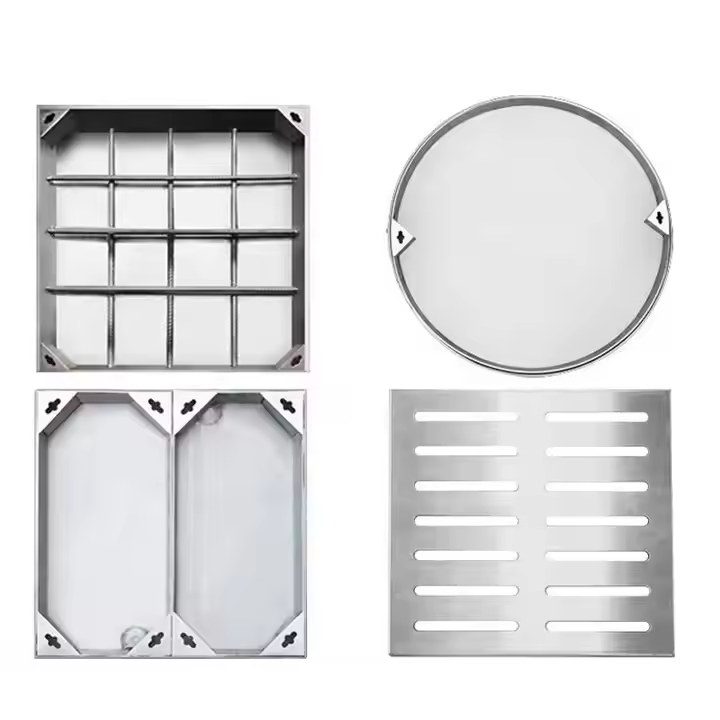
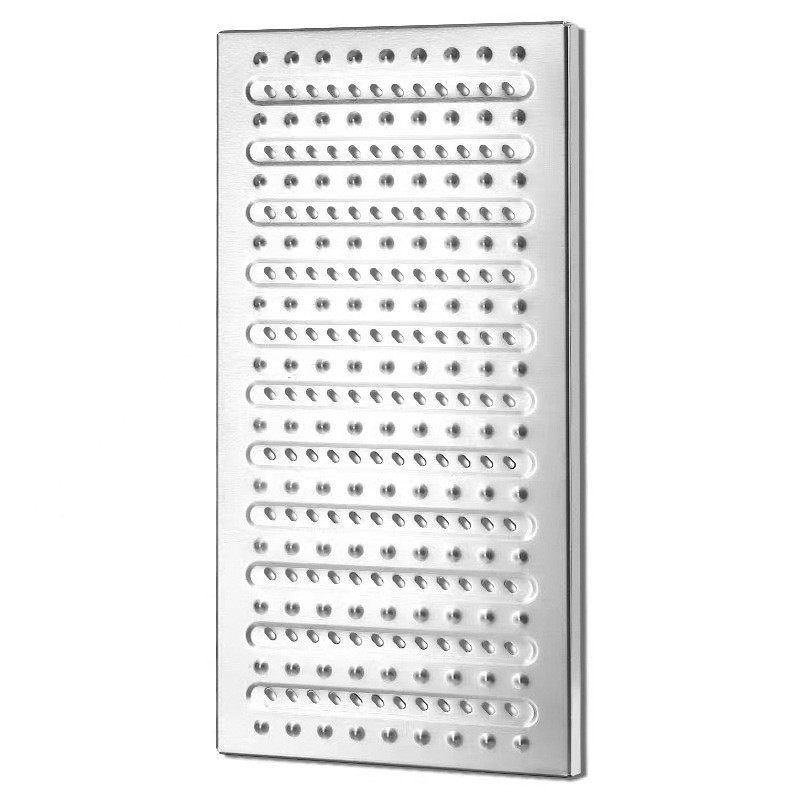
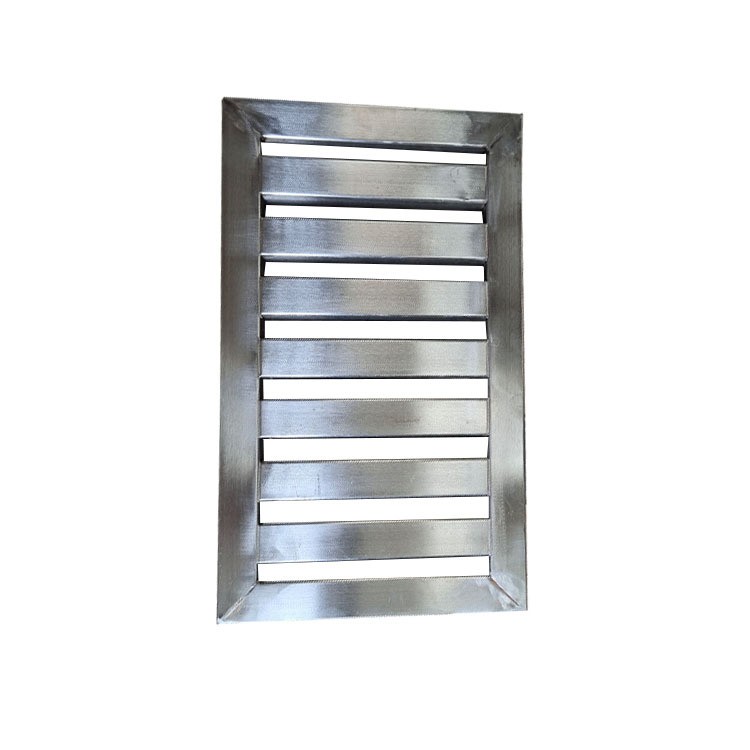
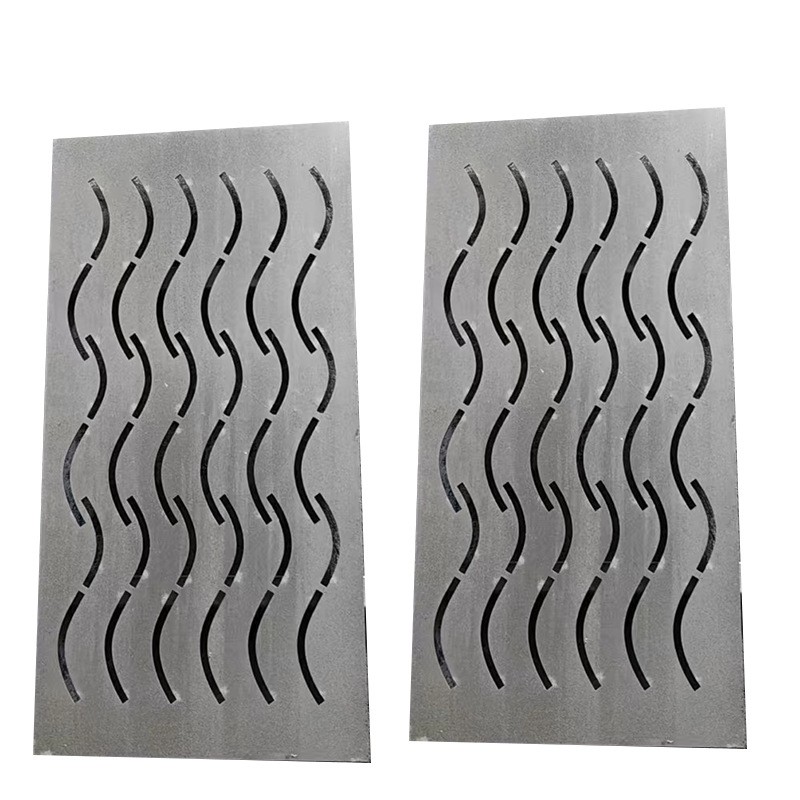
kitchen floor grating
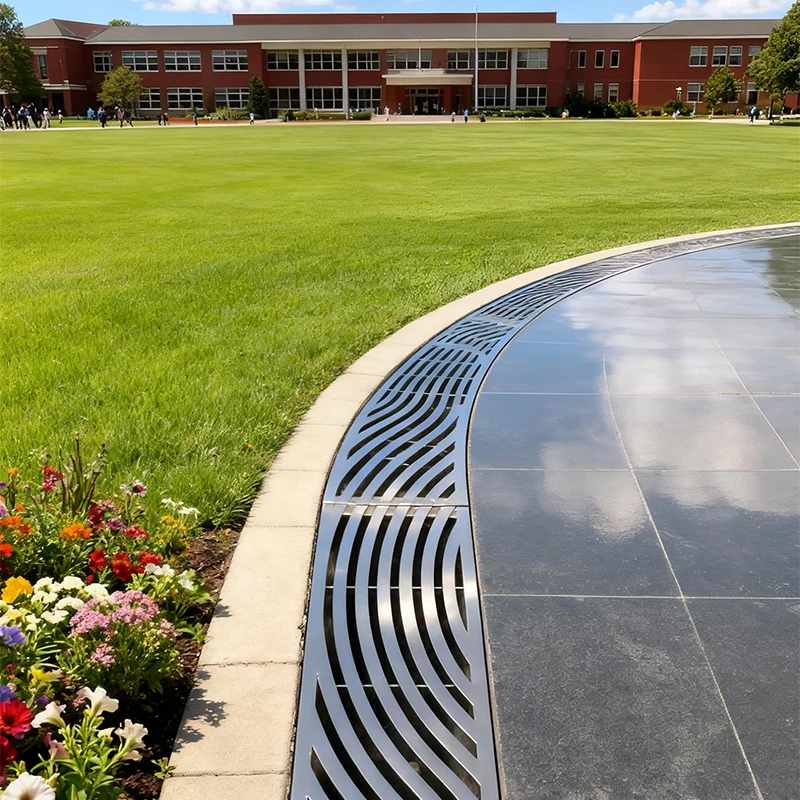
Kitchen floor grating serves as a critical component in commercial and residential cooking environments, designed to manage moisture, debris, and safety concerns effectively. This specialized flooring solution features a durable grid-like structure that allows liquids to drain quickly while maintaining a stable walking surface for kitchen staff and residents. The kitchen floor grating combines functionality with practical design, making it an essential choice for modern kitchens.
The primary function of kitchen floor grating is to prevent water accumulation on kitchen floors, which reduces slip hazards and maintains a sanitary workspace. The grated surface allows spills, cleaning water, and food particles to flow through to drainage systems beneath, keeping the floor dry and clean. Kitchen floor grating typically consists of steel, aluminum, or composite materials that withstand heavy foot traffic, extreme temperatures, and corrosive cleaning chemicals.
Technologically advanced kitchen floor grating now incorporates anti-slip surfaces and reinforced edging to enhance safety standards. Many modern designs feature modular systems that allow easy installation and replacement of individual sections without disrupting the entire kitchen layout. The kitchen floor grating is engineered to support significant weight while maintaining structural integrity, with load ratings suitable for commercial kitchens handling multiple staff members and equipment simultaneously.
Applications for kitchen floor grating extend across various settings, including restaurants, hotels, hospitals, food processing facilities, and large residential kitchens. These gratings work seamlessly with under-floor drainage systems and can be customized to fit irregular spaces. Whether in prep areas, washing stations, or cooking zones, kitchen floor grating provides reliable performance in demanding environments where cleanliness and safety are paramount concerns.

 EN
EN