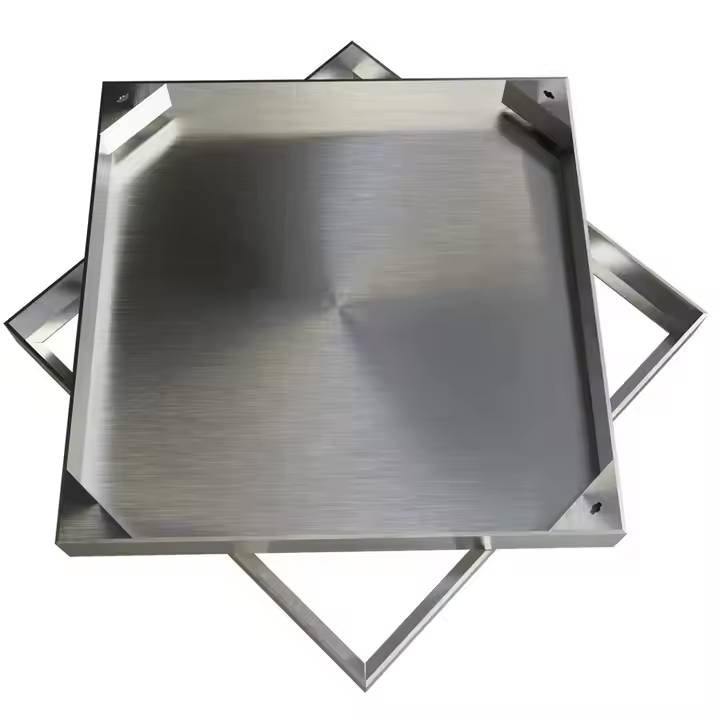
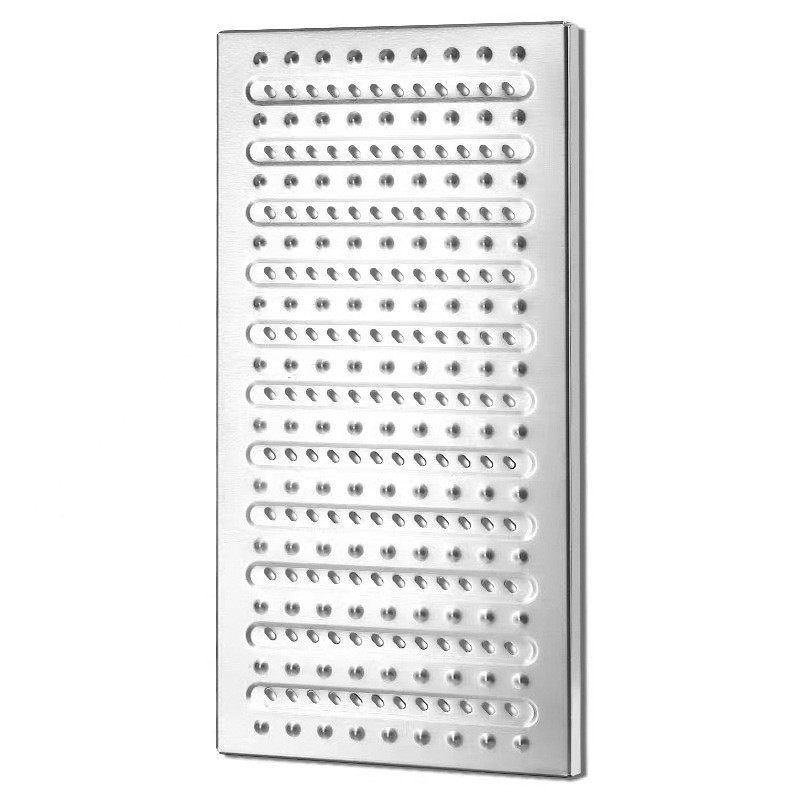
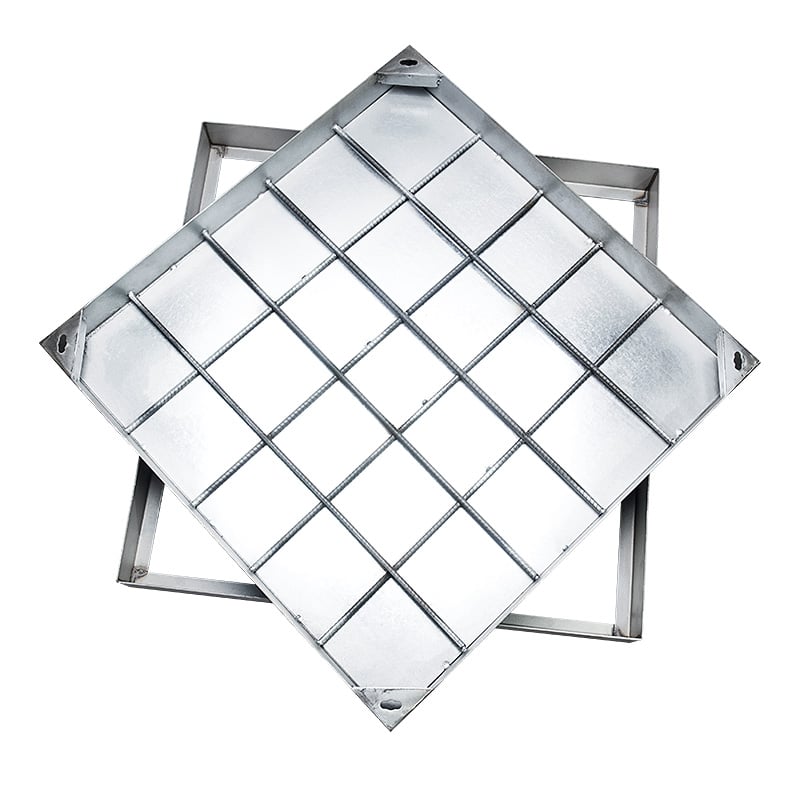
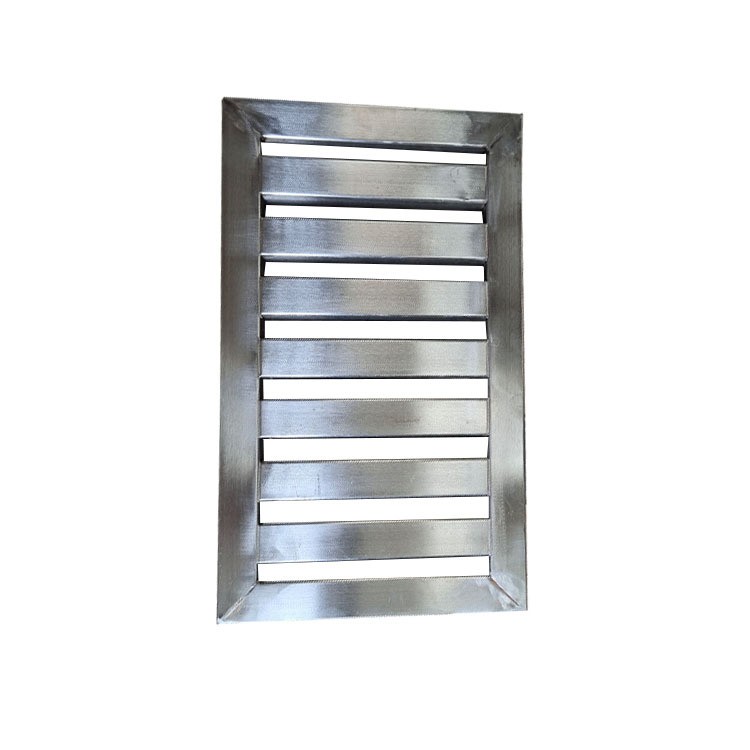
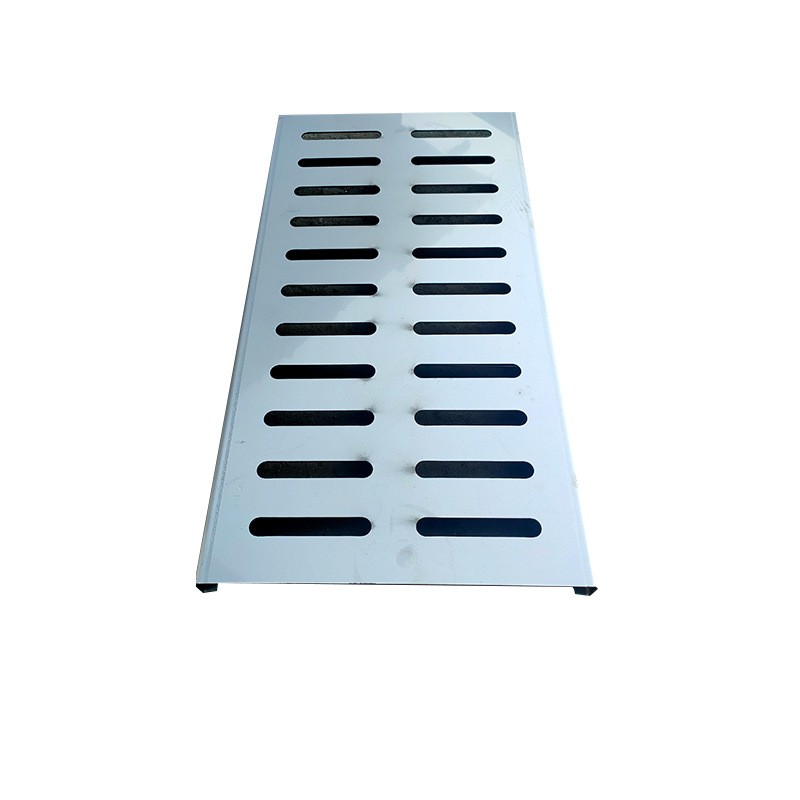
stainless steel grates for pools
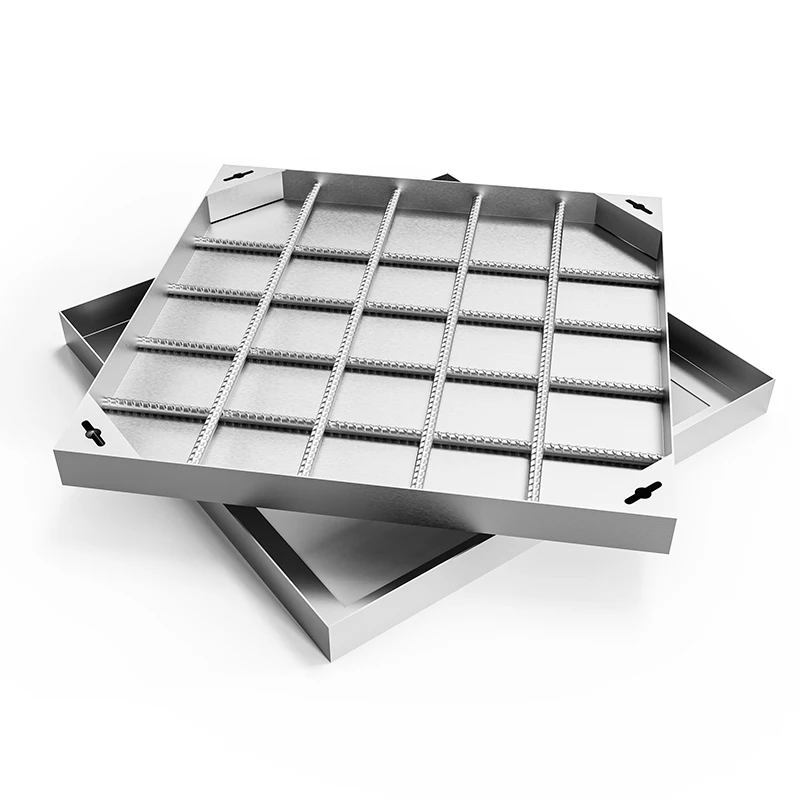
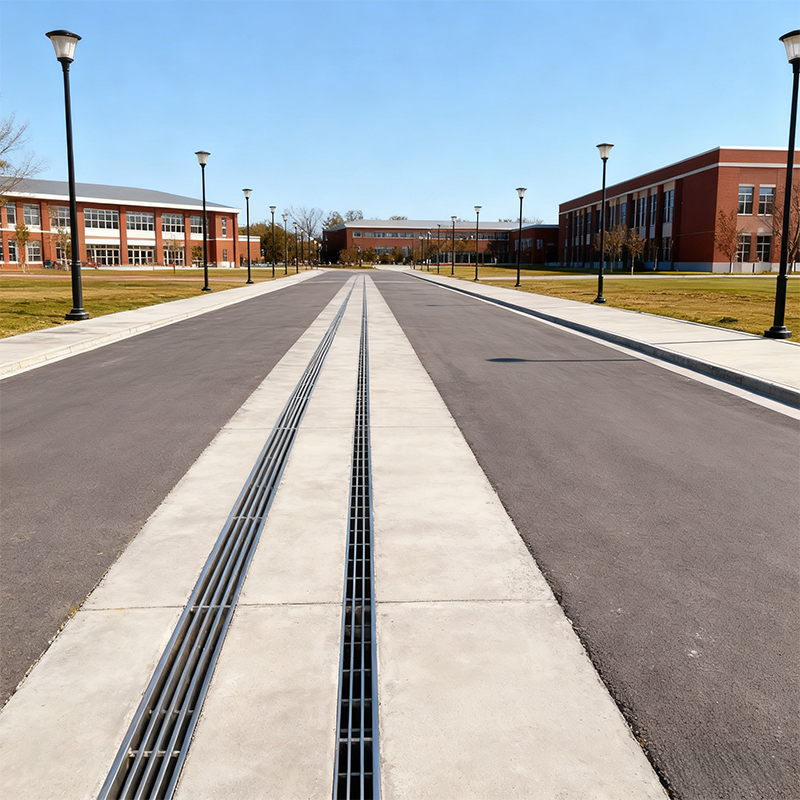
Stainless steel grates for pools are essential drainage and safety components designed to manage water flow while maintaining structural integrity in pool environments. These durable grates serve multiple critical functions, including water drainage around pool perimeters, debris filtration, and slip-resistant surface protection for swimmers and staff. Stainless steel grates for pools are engineered with precision to withstand harsh chemical exposure, constant moisture, and heavy foot traffic that characterize typical pool facilities.
The technological features of stainless steel grates for pools include corrosion-resistant construction that prevents rust and degradation in chlorinated water environments. The grates feature precisely measured openings that balance effective drainage capacity with safety considerations, preventing small objects from falling while allowing rapid water removal. Advanced manufacturing processes ensure uniform spacing and structural strength throughout the entire grate system.
Stainless steel grates for pools find applications across residential swimming pools, commercial aquatic centers, public water parks, and competitive sports facilities. These grates are particularly valuable around pool decks, pump rooms, and circulation systems where water management is critical. The applications extend to both indoor and outdoor pool installations, making stainless steel grates for pools a versatile solution for various aquatic environments. Their robust construction handles freeze-thaw cycles, direct sunlight exposure, and intensive cleaning procedures without compromising performance or appearance.

 EN
EN