Premium Stainless Steel Floor Grating Solutions - Durable, Safe, and Hygienic Industrial Flooring

All Categories

Get a Free Quote

Our representative will contact you soon.
Email
Name
Company Name
Message
0/1000

stainless steel floor grating

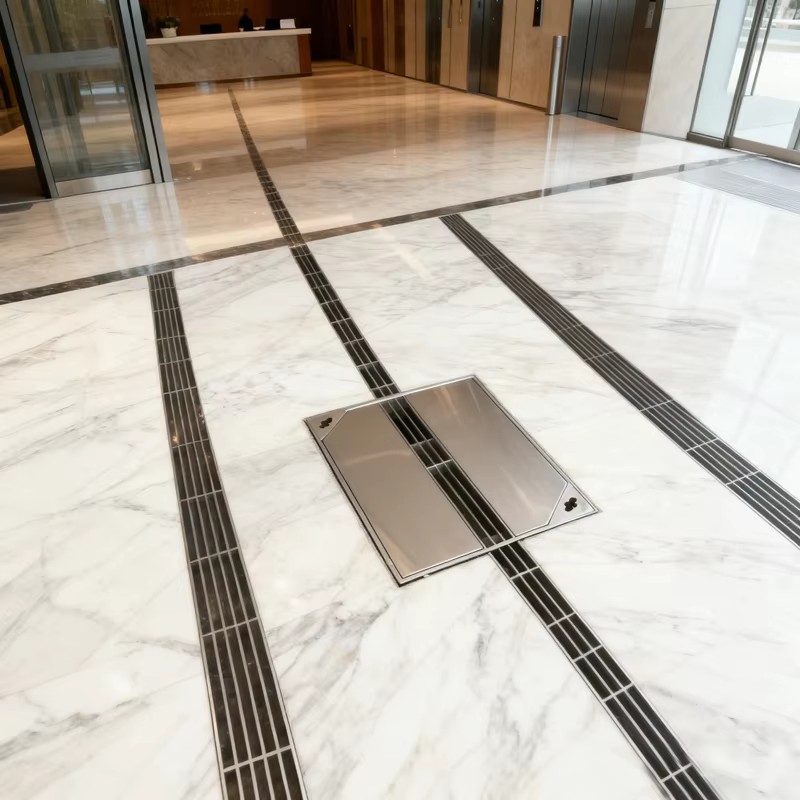
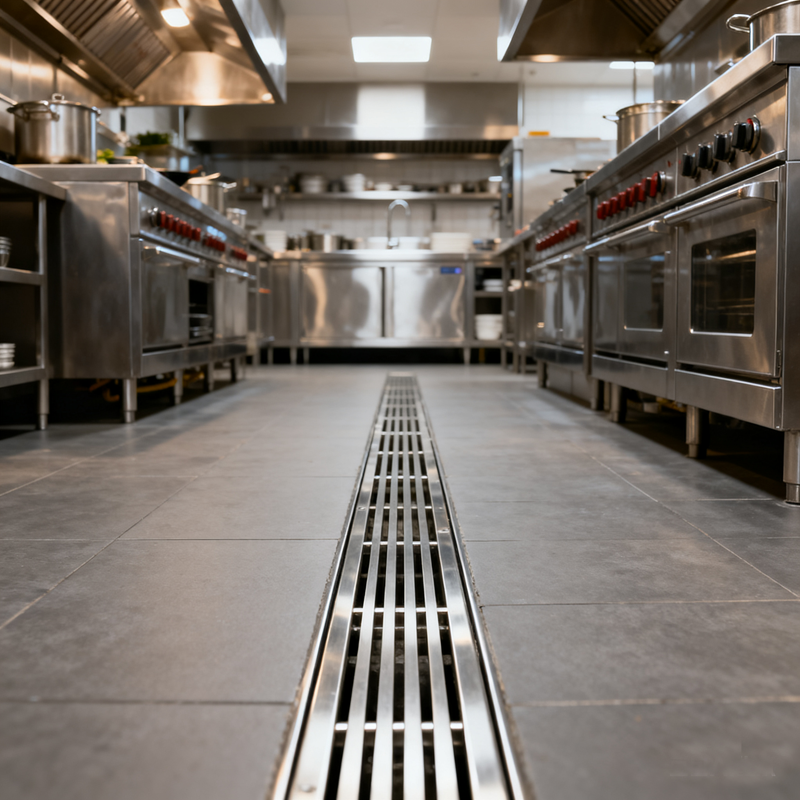
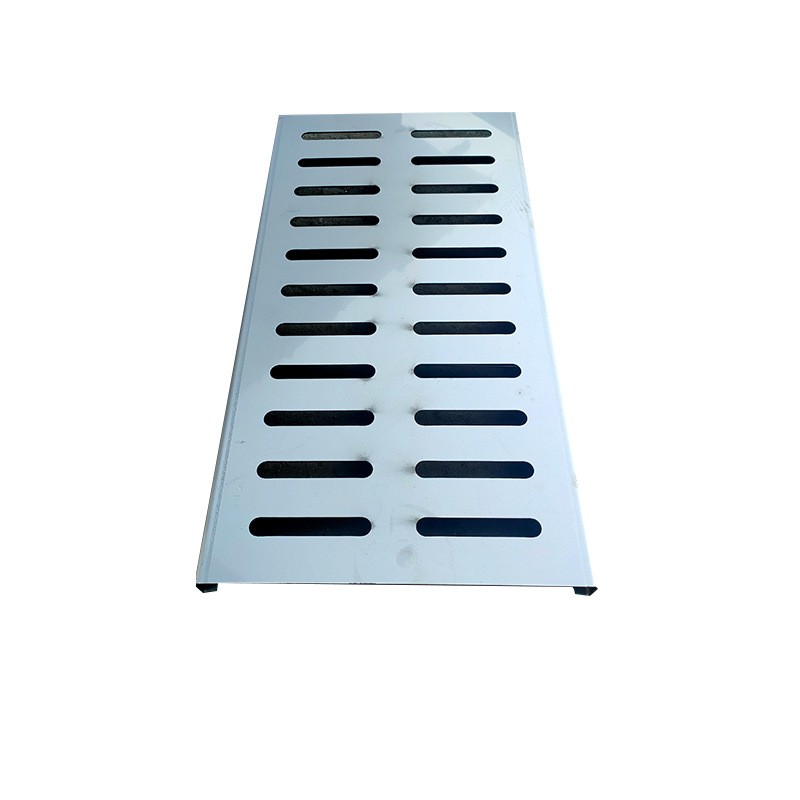
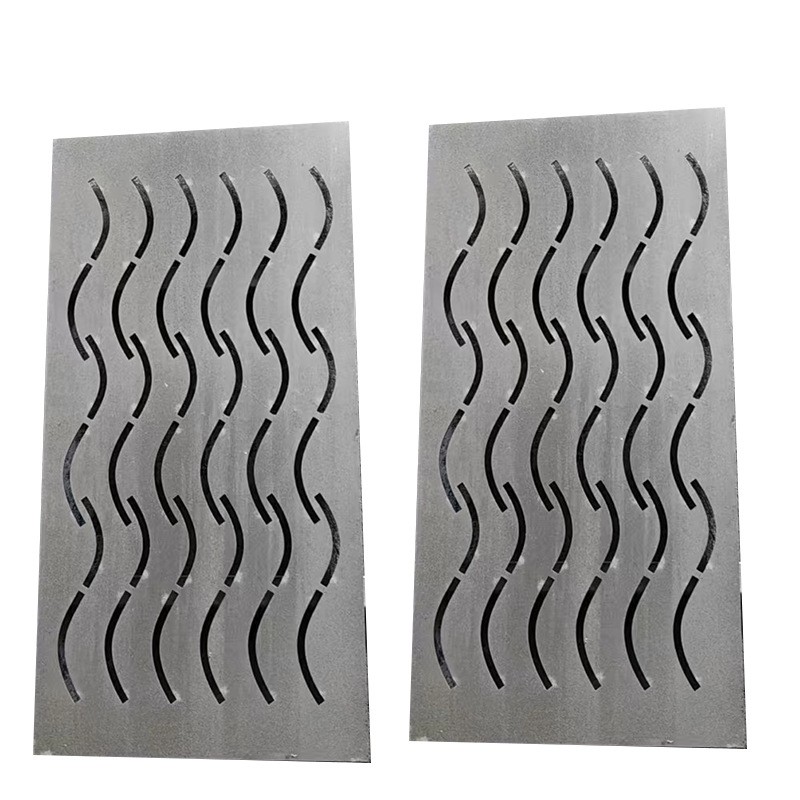
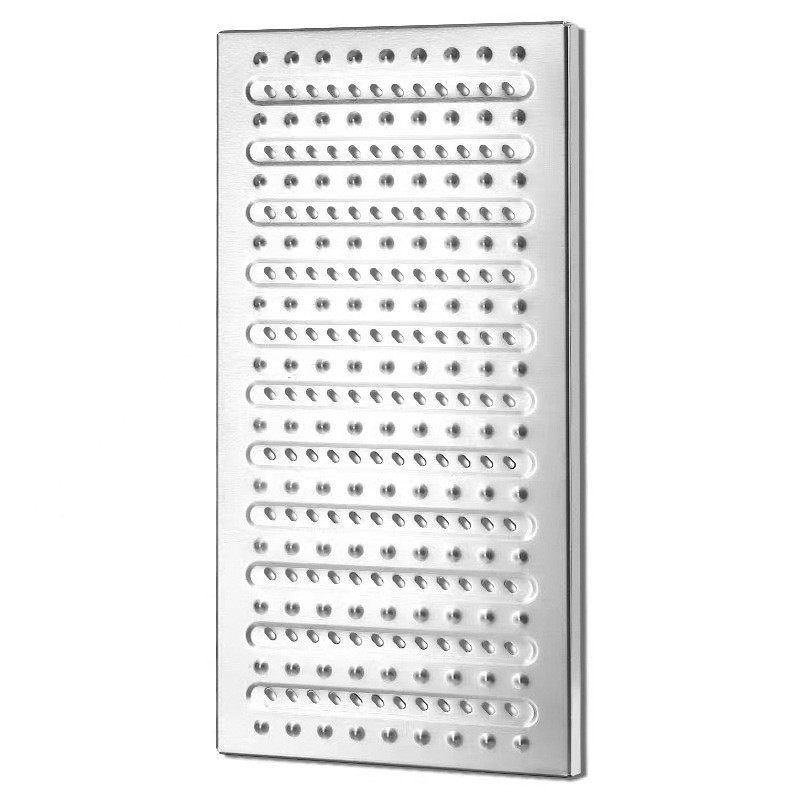
Stainless steel floor grating represents a sophisticated flooring solution designed to meet the demanding requirements of industrial, commercial, and marine environments. This engineered product combines durability, functionality, and safety in a single platform system that serves multiple purposes across various industries. The stainless steel floor grating construction utilizes high-grade stainless steel materials, typically 304 or 316 grade alloys, which provide exceptional resistance to corrosion, chemical exposure, and extreme temperature variations. The manufacturing process involves precision welding or press-locking techniques that create a rigid grid structure capable of supporting substantial loads while maintaining optimal drainage and ventilation properties. The technological features of stainless steel floor grating include anti-slip surface treatments, modular design capabilities, and customizable opening patterns that accommodate specific operational requirements. These gratings feature standardized dimensions that facilitate easy installation and replacement procedures, reducing maintenance costs and operational downtime. The load-bearing capacity ranges from light pedestrian traffic to heavy industrial machinery, with weight ratings clearly specified for each application type. Ventilation openings allow for efficient air circulation and liquid drainage, preventing accumulation of debris, moisture, or hazardous substances in work areas. The applications for stainless steel floor grating span numerous industries including food processing facilities, chemical plants, offshore oil platforms, wastewater treatment centers, pharmaceutical manufacturing, and marine vessels. In food processing environments, the hygienic properties and easy cleaning characteristics make stainless steel floor grating essential for maintaining sanitary conditions and compliance with health regulations. Chemical processing facilities benefit from the chemical resistance properties that prevent degradation and contamination risks. Marine applications utilize the corrosion resistance against saltwater exposure, ensuring long-term performance in harsh oceanic conditions. The modular nature of stainless steel floor grating systems allows for flexible installation configurations that accommodate existing infrastructure while providing future expansion capabilities.

New Product Releases

Stainless steel floor grating delivers exceptional value through its comprehensive range of practical benefits that directly impact operational efficiency and cost-effectiveness. The corrosion resistance properties eliminate the need for frequent replacements and extensive maintenance procedures that plague traditional flooring materials. This resistance extends the service life significantly, often exceeding twenty years in standard applications and maintaining structural integrity throughout the operational period. The material composition prevents rust formation and chemical degradation, ensuring consistent performance even when exposed to harsh cleaning agents, acidic substances, or high-humidity environments. Safety enhancement represents another critical advantage of stainless steel floor grating systems. The anti-slip surface textures and open grid design provide superior traction for personnel, reducing workplace accidents and liability concerns. The drainage capabilities prevent liquid accumulation that creates hazardous walking conditions, while the ventilation properties eliminate vapor buildup that could compromise air quality or create explosive atmospheres. Load distribution characteristics ensure stable footing for heavy equipment and machinery, preventing structural failures that could result in costly damage or injury incidents. Economic benefits become apparent through reduced lifecycle costs and minimal maintenance requirements. The initial investment in stainless steel floor grating pays dividends through eliminated painting schedules, reduced replacement frequencies, and decreased labor costs associated with routine maintenance activities. The material does not require protective coatings or treatments that add ongoing expenses to operational budgets. Installation procedures streamline through standardized dimensions and modular components that reduce labor time and specialized tooling requirements. Hygiene advantages make stainless steel floor grating indispensable in regulated industries where cleanliness standards determine operational compliance. The smooth surface finish prevents bacterial growth and allows for thorough cleaning using standard sanitation procedures. Open grid patterns eliminate hidden areas where contaminants could accumulate, ensuring complete access for cleaning equipment and inspection procedures. The non-porous material composition resists absorption of liquids and odors, maintaining sanitary conditions throughout extended use periods. Environmental benefits include recyclability at end-of-life and reduced resource consumption through extended service periods. The material composition contains recycled content and remains fully recyclable, supporting sustainability initiatives and environmental stewardship goals. Energy efficiency improves through enhanced ventilation that reduces HVAC load requirements and lighting improvements from increased light transmission through grating openings.

Latest News

What Is Stainless Steel Coil and How Is It Made?

08

Jan

What Is Stainless Steel Coil and How Is It Made?

The manufacturing industry relies heavily on versatile materials that can withstand demanding environments while maintaining structural integrity. Among these materials, stainless steel coil stands as one of the most essential components in modern in...
View More
Why Are Stainless Steel Flower Boxes a Durable Choice for Modern Spaces?

06

Feb

Why Are Stainless Steel Flower Boxes a Durable Choice for Modern Spaces?

Modern urban landscapes demand planters that combine aesthetic appeal with exceptional durability, making the stainless steel flower box an increasingly popular choice among architects, landscape designers, and facility managers. These sophisticated ...
View More
Where Are Linear Drainage Ditches Most Effective in Construction Projects?

17

Feb

Where Are Linear Drainage Ditches Most Effective in Construction Projects?

Construction projects across various industries require efficient water management systems to prevent structural damage, erosion, and safety hazards. Among the most versatile and effective solutions available today is the linear drainage ditch, a spe...
View More
What Is Sheet Metal Processing and How Does It Work?

11

Mar

What Is Sheet Metal Processing and How Does It Work?

Sheet metal processing represents a fundamental manufacturing discipline that transforms flat metal sheets into functional components through various fabrication techniques. This versatile manufacturing approach encompasses cutting, forming, joining,...
View More

Get a Free Quote

Our representative will contact you soon.
Email
Name
Company Name
Message
0/1000

stainless steel floor grating

Superior Corrosion Resistance and Durability Performance

Superior Corrosion Resistance and Durability Performance

The exceptional corrosion resistance of stainless steel floor grating stems from its advanced metallurgical composition and specialized surface treatments that create an impenetrable barrier against environmental degradation factors. Grade 304 and 316 stainless steel alloys contain chromium and nickel elements that form a passive oxide layer on the surface, automatically regenerating when damaged and providing continuous protection against oxidation processes. This self-healing characteristic ensures that stainless steel floor grating maintains its structural integrity even when subjected to mechanical abrasion, chemical exposure, or temperature cycling that would compromise alternative materials. The crystalline structure of stainless steel resists stress corrosion cracking and pitting corrosion that commonly affect carbon steel and aluminum gratings in marine or chemical processing environments. Salt spray testing demonstrates that stainless steel floor grating systems retain their mechanical properties and appearance after thousands of hours of accelerated corrosion exposure, translating to decades of reliable service in real-world applications. The durability extends beyond corrosion resistance to include exceptional fatigue resistance under cyclic loading conditions. Heavy machinery operations, vehicular traffic, and repetitive impact loads that would cause cracking or deformation in cast iron or fiberglass grating have minimal effect on properly designed stainless steel floor grating systems. Thermal expansion characteristics remain stable across temperature ranges from cryogenic conditions to high-heat applications, preventing warping or dimensional changes that could compromise fit and function. The material retains its mechanical properties at elevated temperatures where polymer-based alternatives would soften or degrade, making stainless steel floor grating suitable for applications near furnaces, steam systems, or heated process equipment. Impact resistance prevents catastrophic failure modes that could result in safety hazards or operational disruptions, while the ductile nature of stainless steel allows for controlled deformation that absorbs energy without brittle fracture. Quality manufacturing processes including precision welding and heat treatment ensure that joints and connections maintain strength levels equivalent to the base material, eliminating weak points that could lead to premature failure.
Enhanced Safety Features and Anti-Slip Performance

Enhanced Safety Features and Anti-Slip Performance

Safety performance represents a paramount consideration in stainless steel floor grating design, incorporating multiple engineering features that protect personnel and equipment while maintaining operational efficiency. The anti-slip surface treatments utilize diamond plate patterns, serrated edges, and specialized texturing that provide superior traction under both dry and wet conditions. These surface modifications create mechanical interlocking between footwear and the grating surface, preventing slips and falls that represent significant liability risks in industrial environments. The coefficient of friction values exceeds industry safety standards across various contamination scenarios including oil spills, water accumulation, and chemical residues that commonly occur in processing facilities. Testing protocols demonstrate that stainless steel floor grating maintains adequate traction even when coated with substances that would render smooth surfaces extremely hazardous. The open grid design facilitates immediate drainage of liquids, preventing the formation of puddles or films that create slip hazards and eliminating the need for frequent mopping or cleaning to maintain safe walking conditions. Load-bearing capabilities ensure that stainless steel floor grating systems support concentrated loads without deflection or structural compromise that could create trip hazards or unstable footing. Distributed loading characteristics prevent point loading failures that might occur with perforated plate or solid decking materials when subjected to equipment loads or impact forces. The rigid construction eliminates bounce or vibration that could cause personnel to lose balance when traversing elevated platforms or walkways. Edge details and connection systems eliminate sharp edges or protruding elements that could cause injury during normal operations or emergency evacuation procedures. Visibility enhancement through the open structure allows for better lighting penetration and visual inspection of areas beneath grating installations, improving overall workplace safety by eliminating blind spots where hazards could develop undetected. Fire safety benefits include the non-combustible nature of stainless steel that prevents fire spread and maintains structural integrity during emergency conditions. The material does not emit toxic gases when exposed to high temperatures, unlike polymer alternatives that could create hazardous atmospheres during fire incidents. Emergency response capabilities improve through the lightweight nature of individual grating panels that allows for rapid removal to access utilities or provide emergency egress routes.
Exceptional Hygiene Standards and Easy Maintenance

Exceptional Hygiene Standards and Easy Maintenance

Hygiene performance of stainless steel floor grating surpasses all alternative materials through its unique combination of surface properties, structural design, and maintenance characteristics that meet the strictest sanitary requirements in regulated industries. The smooth, non-porous surface finish prevents bacterial adhesion and biofilm formation that can compromise food safety, pharmaceutical purity, or medical device sterility. Surface roughness measurements consistently fall within specifications that eliminate microscopic crevices where pathogens could establish colonies, while the chemical inertness prevents interaction with cleaning agents that could create residues or degradation products. The open grid structure eliminates hidden areas where contaminants could accumulate, providing complete access for cleaning equipment and allowing thorough inspection to verify sanitation effectiveness. Traditional solid flooring creates dead spaces beneath equipment or in corner areas that remain inaccessible to standard cleaning procedures, while stainless steel floor grating ensures that all surfaces receive adequate cleaning attention. Drainage capabilities prevent standing water that supports microbial growth, while the ventilation properties promote rapid drying that further inhibits bacterial proliferation. Steam cleaning compatibility allows for high-temperature sanitization procedures that destroy all categories of microorganisms without causing material degradation or dimensional changes. The thermal conductivity of stainless steel ensures uniform temperature distribution during steam treatment, eliminating cold spots where sterilization might be incomplete. Chemical compatibility extends to all approved sanitizing agents including quaternary ammonium compounds, chlorine-based solutions, peracetic acid systems, and alkaline cleaners that might attack or stain alternative materials. Maintenance procedures streamline through the elimination of protective coatings, sealers, or treatments that require periodic renewal and create contamination risks during application processes. The inherent properties of stainless steel floor grating remain constant throughout the service life, eliminating the need for surface restoration procedures that generate debris or require facility shutdowns. Cleaning validation becomes straightforward through visual inspection and standard swab testing procedures that can verify complete contaminant removal from all accessible surfaces. Documentation requirements for regulatory compliance simplify through standardized cleaning protocols and validated procedures that demonstrate consistent sanitation effectiveness across multiple installation sites and operational conditions.

Get a Free Quote

Our representative will contact you soon.
Email
Name
Company Name
Message
0/1000