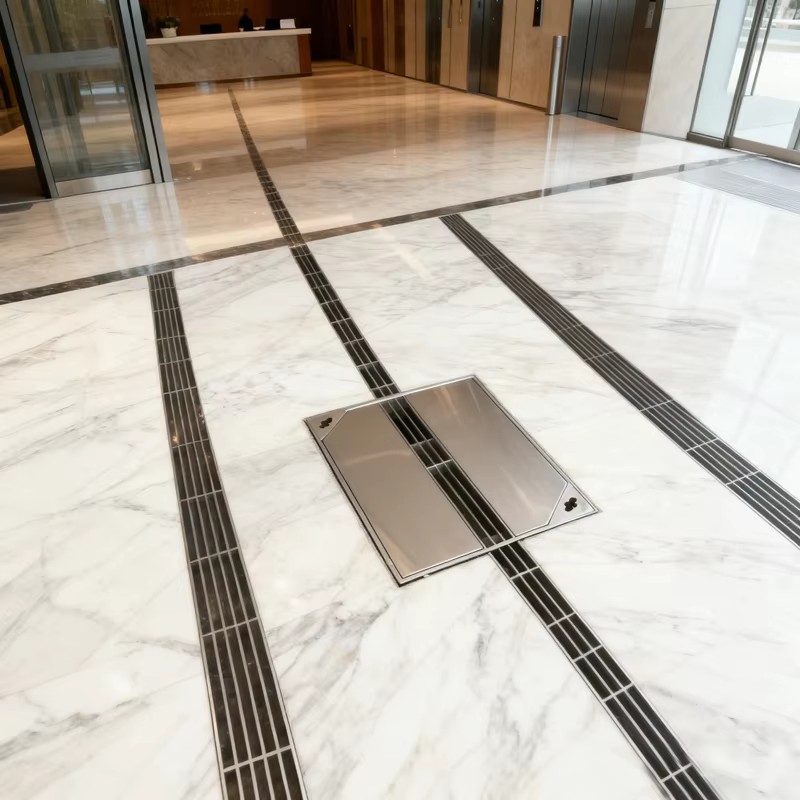
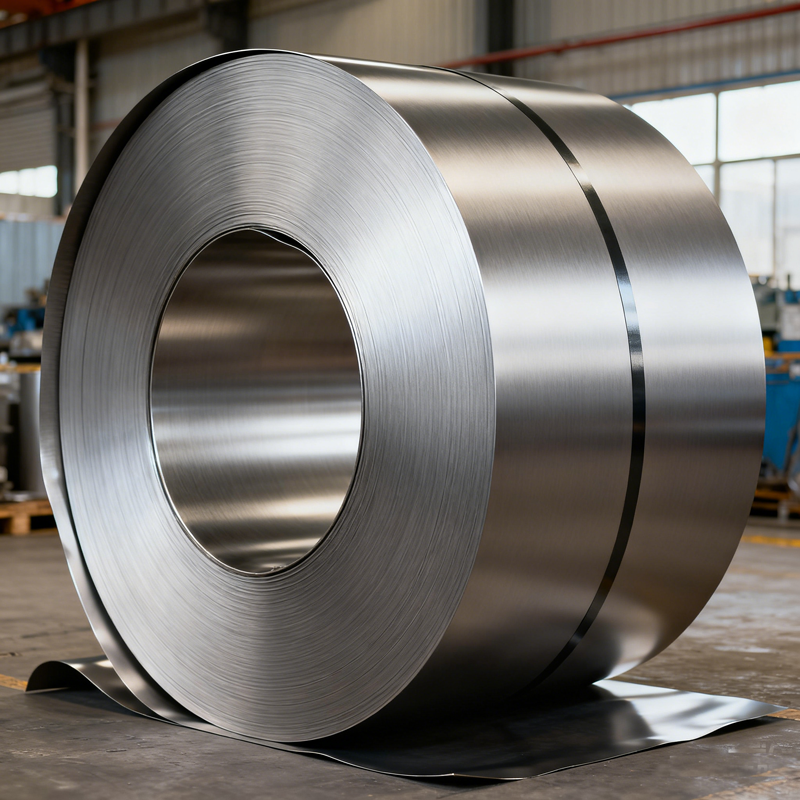
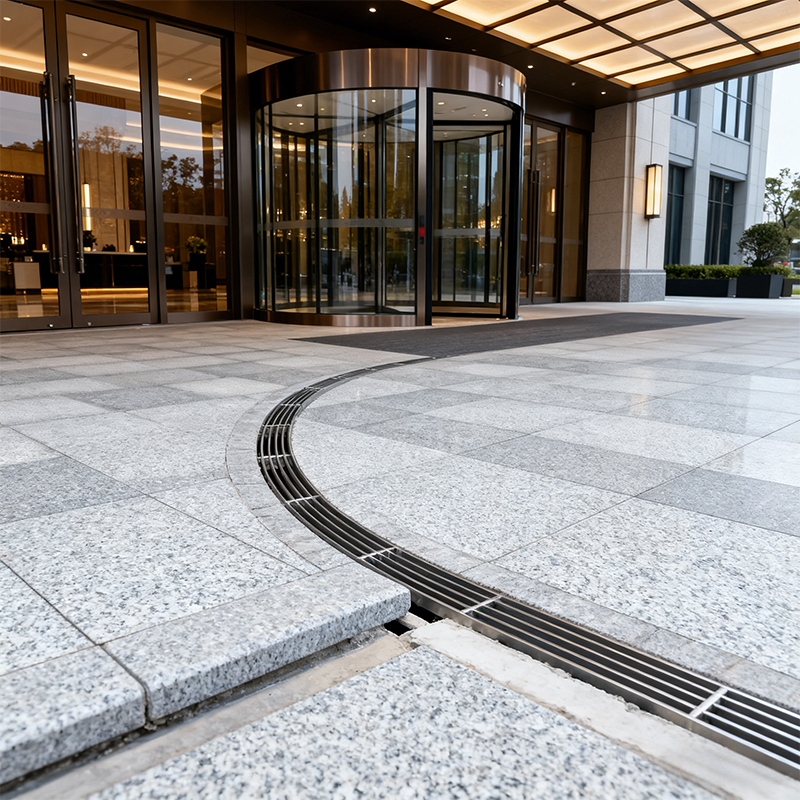
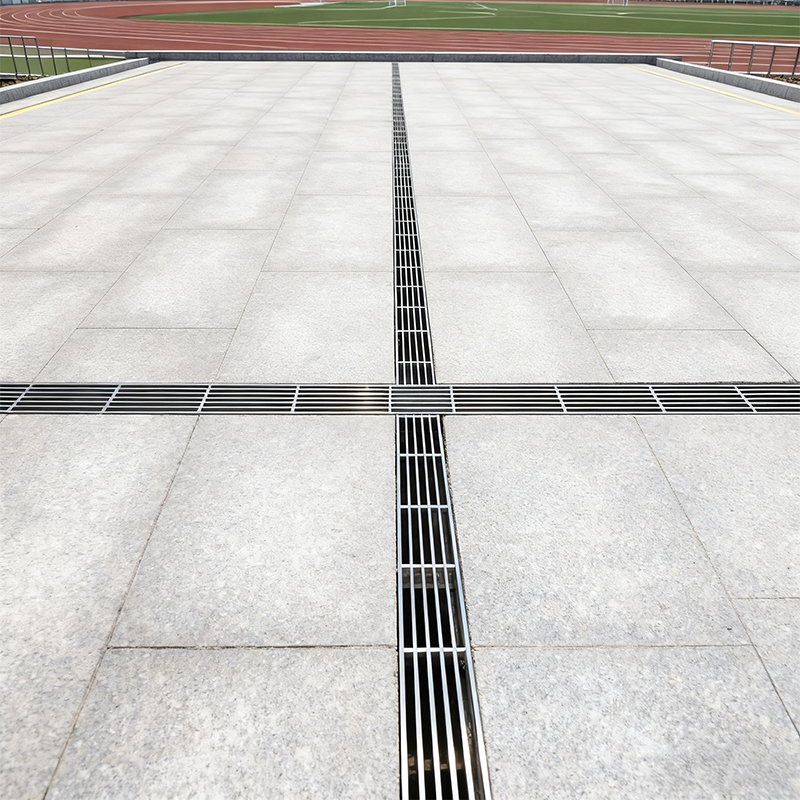
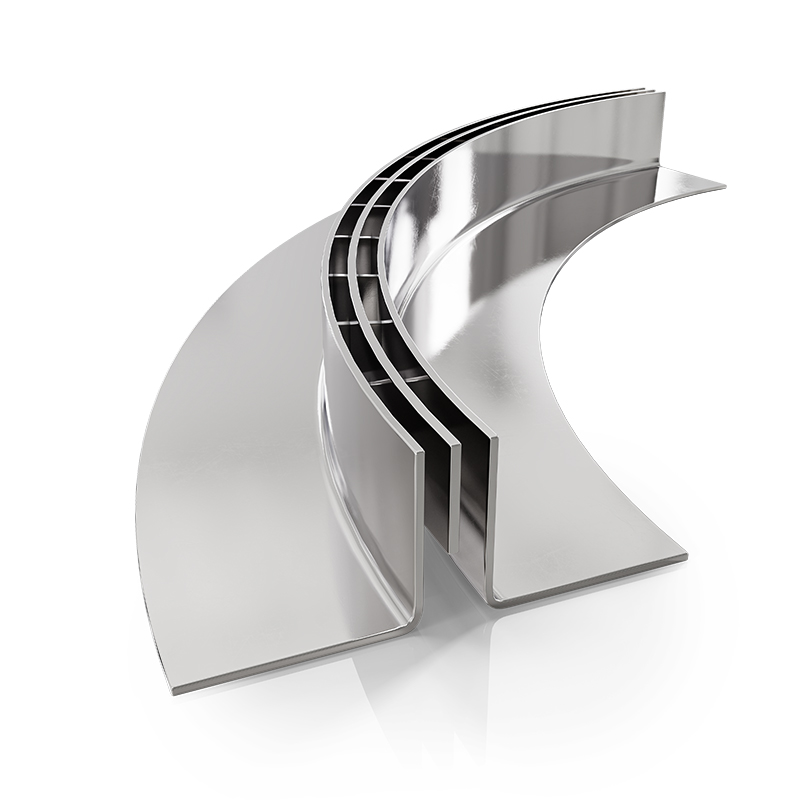
industrial platform stainless steel grating plate
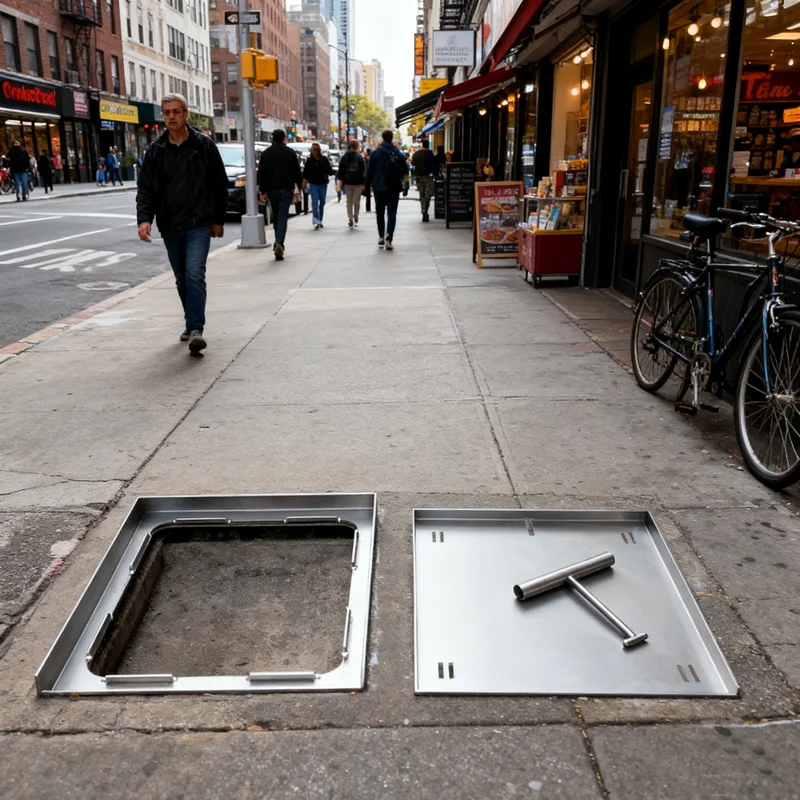
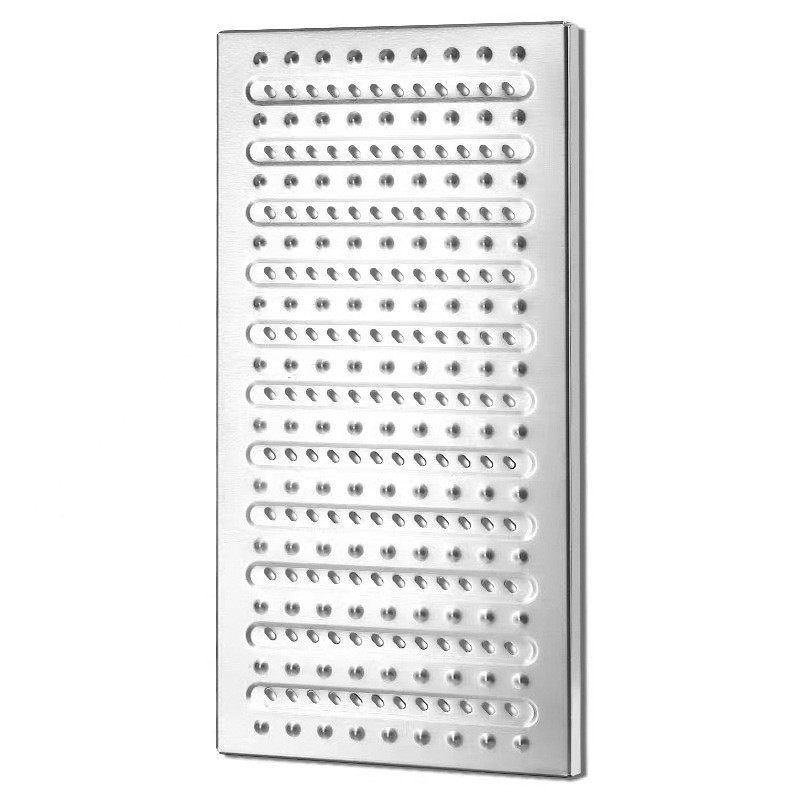
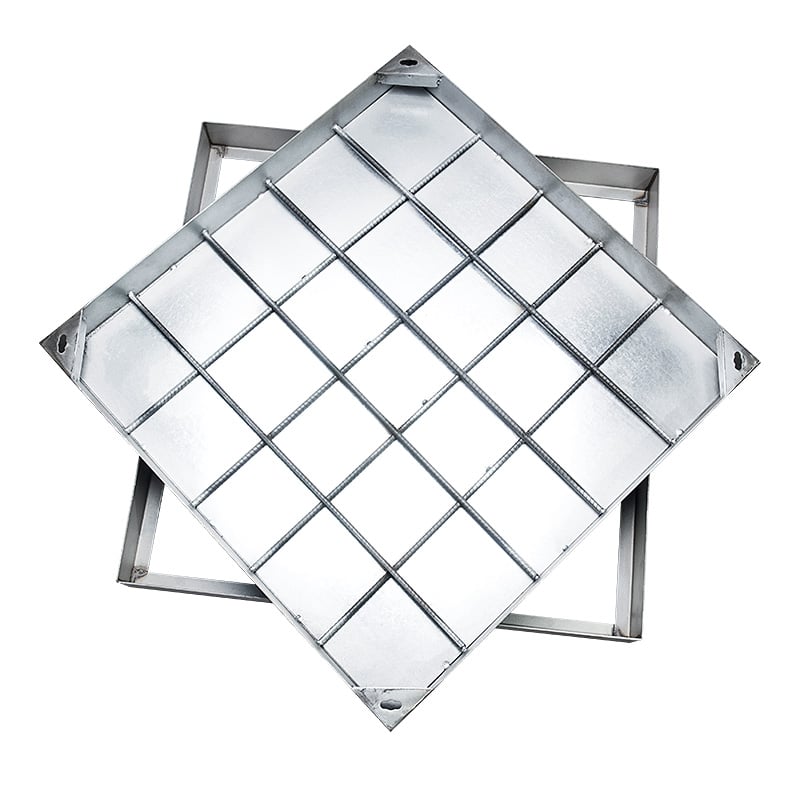
An industrial platform stainless steel grating plate represents a sophisticated solution for modern manufacturing and construction environments. This versatile structural component combines durability with functional design, offering reliable performance in demanding industrial settings. The industrial platform stainless steel grating plate features an open lattice structure that allows efficient drainage, visibility, and airflow while maintaining exceptional strength.
These plates serve multiple critical functions across various sectors. The primary role involves creating safe, stable work platforms where personnel can operate machinery and conduct operations without slip hazards. The industrial platform stainless steel grating plate design incorporates precise spacing between bars, preventing objects from falling through while ensuring optimal light penetration beneath the surface.
Technologically advanced manufacturing processes ensure the industrial platform stainless steel grating plate meets rigorous industry standards. The stainless steel composition provides superior corrosion resistance, extending the product's lifespan significantly compared to conventional materials. Each industrial platform stainless steel grating plate undergoes quality control testing to verify load-bearing capacity, dimensional accuracy, and material integrity.
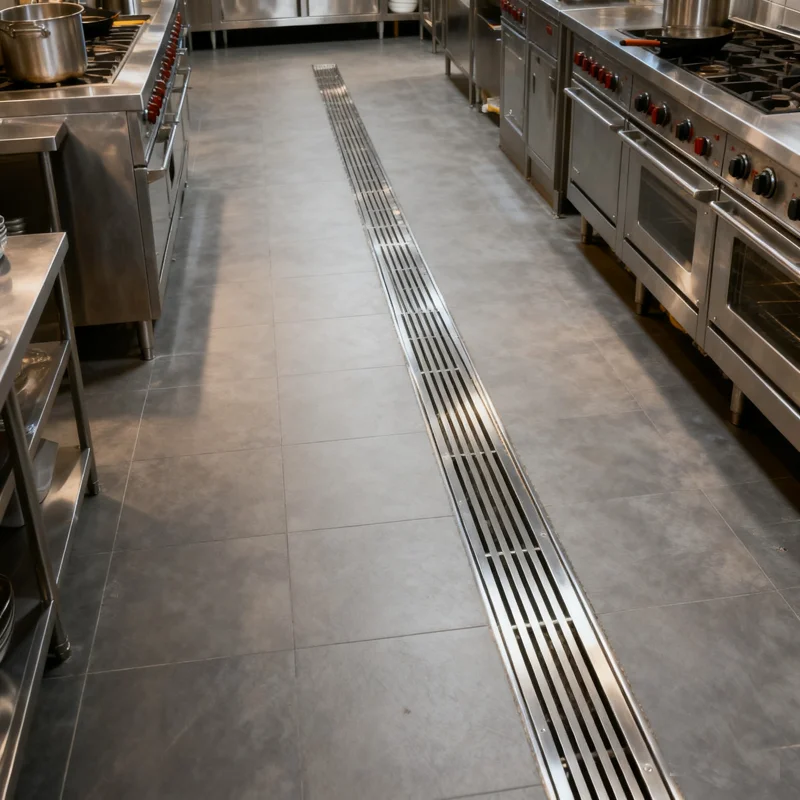
Applications span multiple industries including chemical processing, food production, marine installations, and wastewater treatment facilities. The industrial platform stainless steel grating plate adapts seamlessly to various environmental conditions, from humid coastal areas to corrosive chemical plants. Its open design facilitates easy cleaning and maintenance, reducing operational downtime. The product's versatility makes it an essential component for engineers and facility managers seeking long-term reliability and safety compliance.

 EN
EN