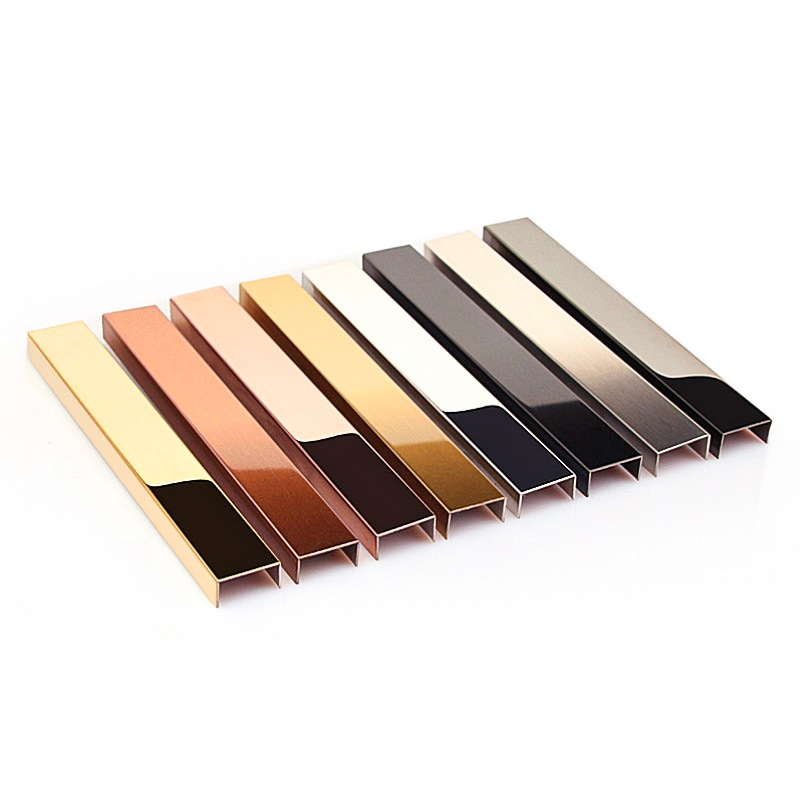
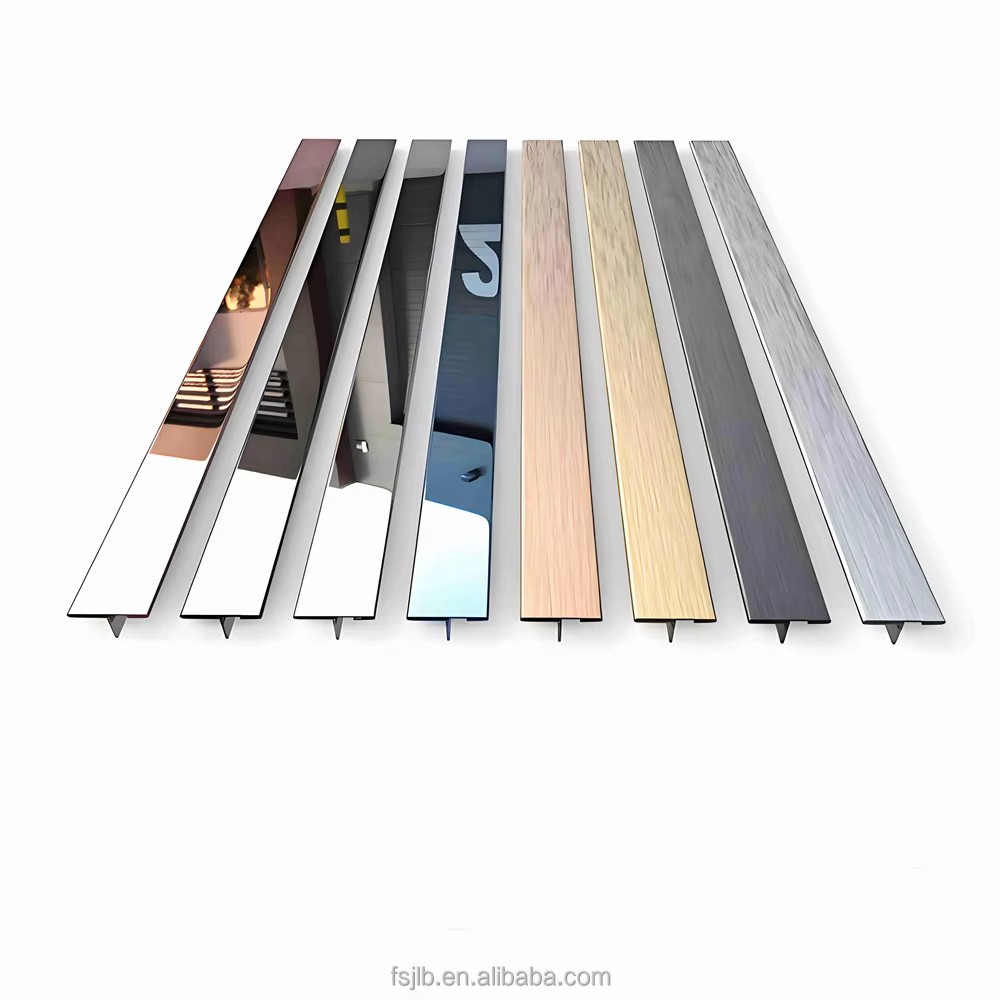
stainless edge banding
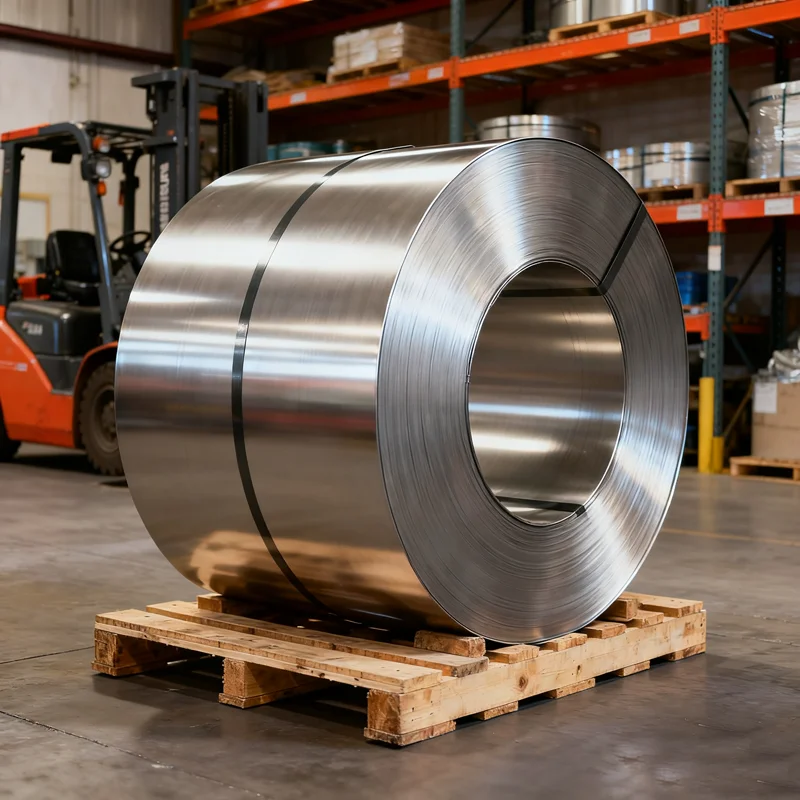
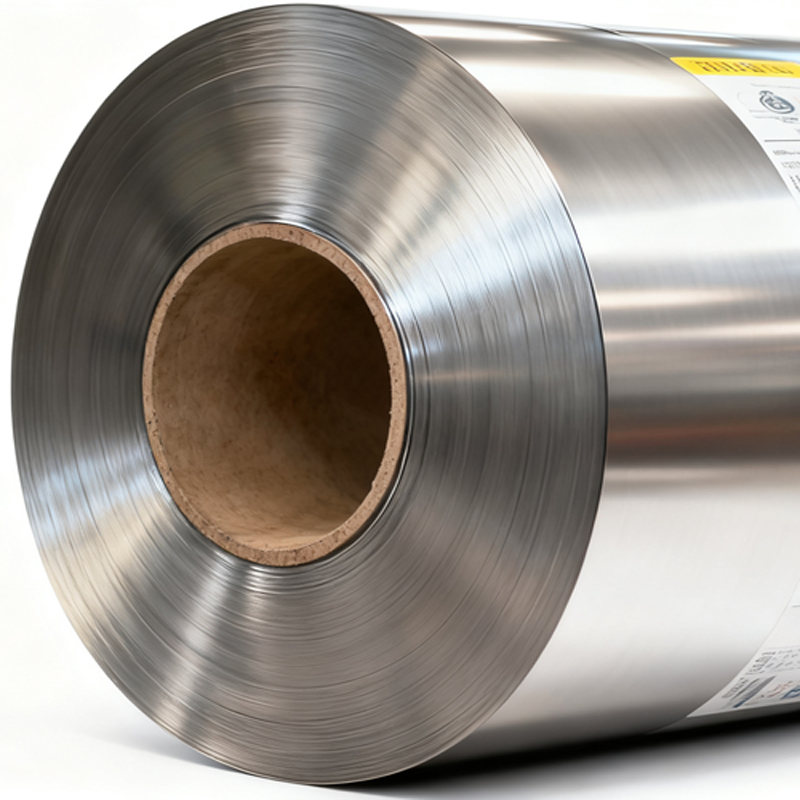
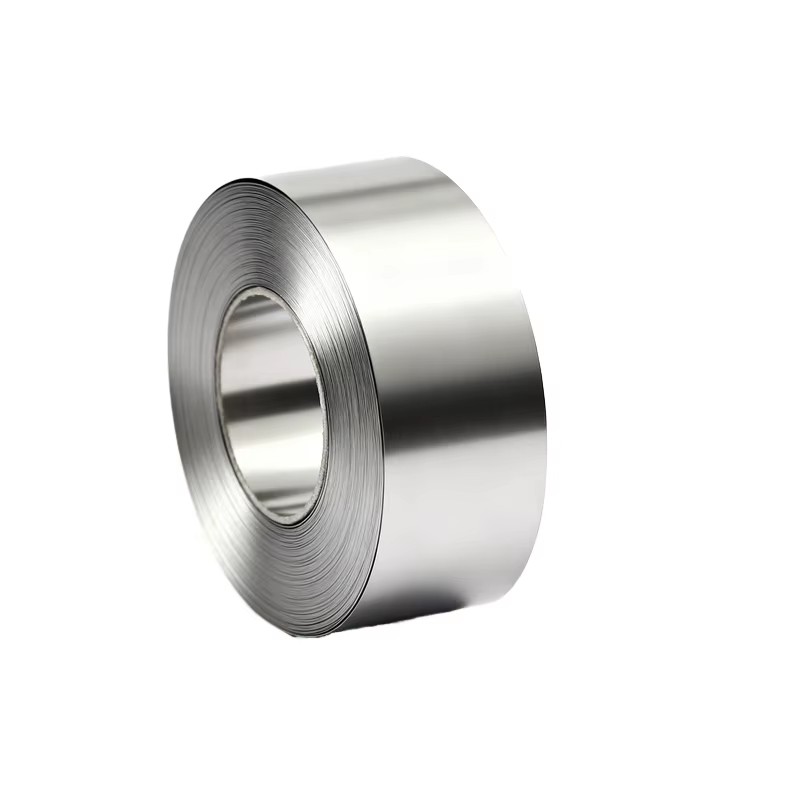
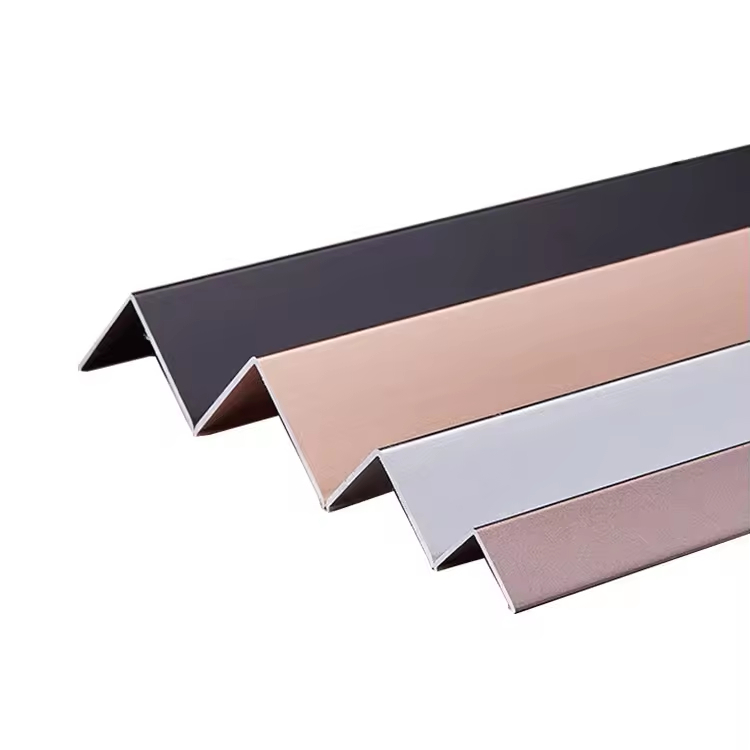
Stainless edge banding is a premium finishing solution designed to protect and beautify the exposed edges of furniture, cabinetry, and interior panels. This specialized trim combines aesthetic appeal with functional durability, offering a polished appearance that conceals raw edges while providing protection against moisture, impact, and wear. The stainless edge banding comes in various widths and thicknesses to accommodate different project requirements, making it suitable for both residential and commercial applications.
The technological features of stainless edge banding include advanced adhesive systems that ensure reliable bonding to substrate materials. The backing incorporates hot-melt or contact adhesive technology, enabling seamless application without requiring additional fasteners or complex installation procedures. Modern stainless edge banding maintains dimensional stability across temperature fluctuations, preventing shrinkage or warping that could compromise the finished appearance.
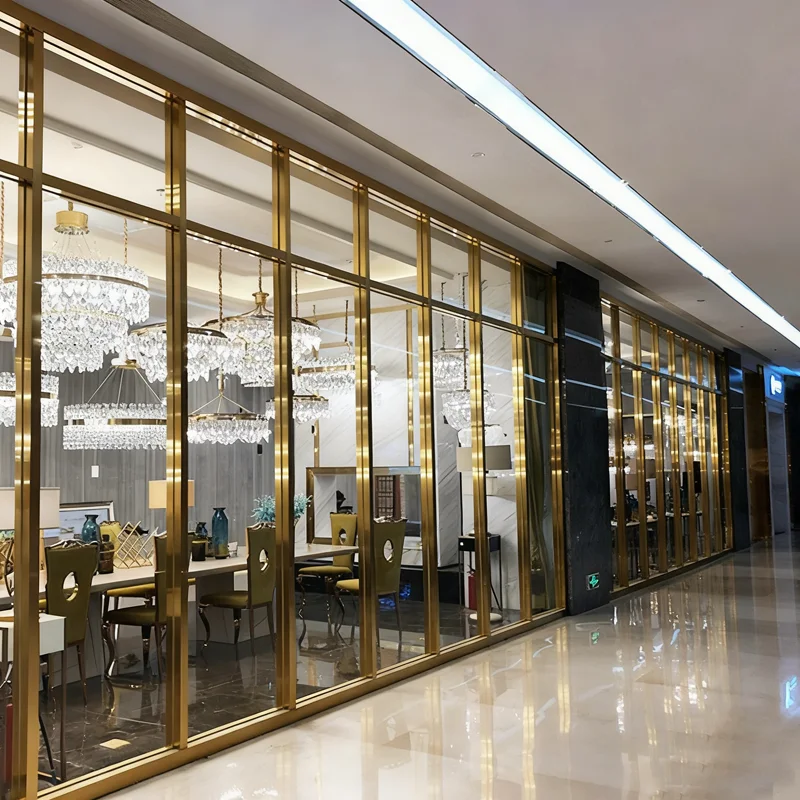
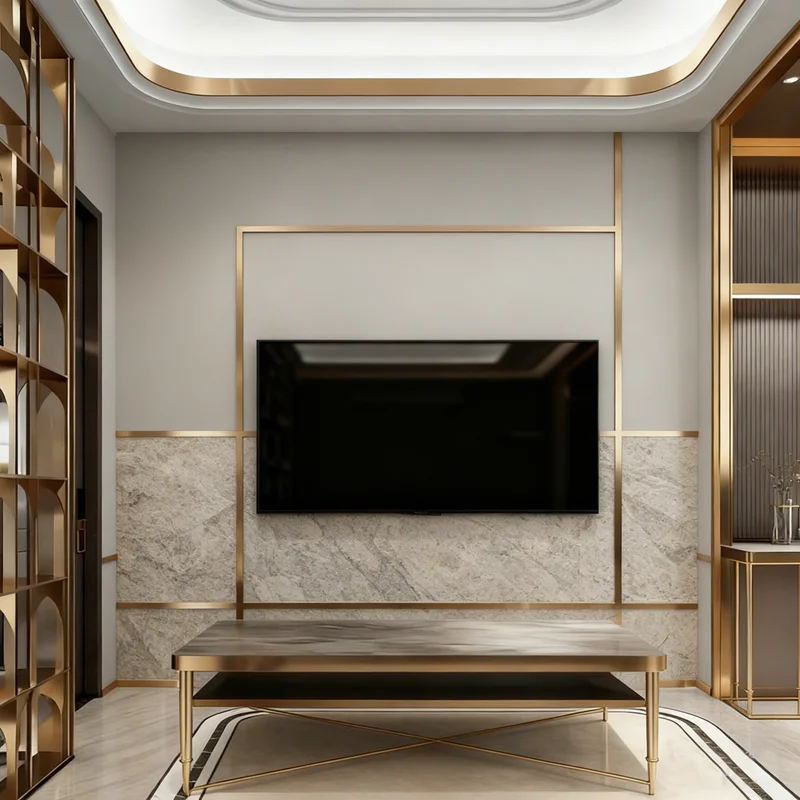
Applications for stainless edge banding extend across numerous industries. Furniture manufacturers utilize it to enhance cabinet doors, shelving units, and desktop components. Hospitality environments benefit from its hygienic properties and resistance to corrosion, making stainless edge banding ideal for kitchen installations and healthcare facilities. Retail displays and commercial workstations leverage this material for professional appearance and long-lasting durability. The stainless edge banding also serves woodworking projects, architectural millwork, and office furniture systems where visual sophistication and functional protection are equally important.

 EN
EN