Premium Stainless Steel Edge Banding Solutions - Durable, Hygienic & Professional Finishing

All Categories

Get a Free Quote

Our representative will contact you soon.
Email
Name
Company Name
Message
0/1000

stainless steel edge banding

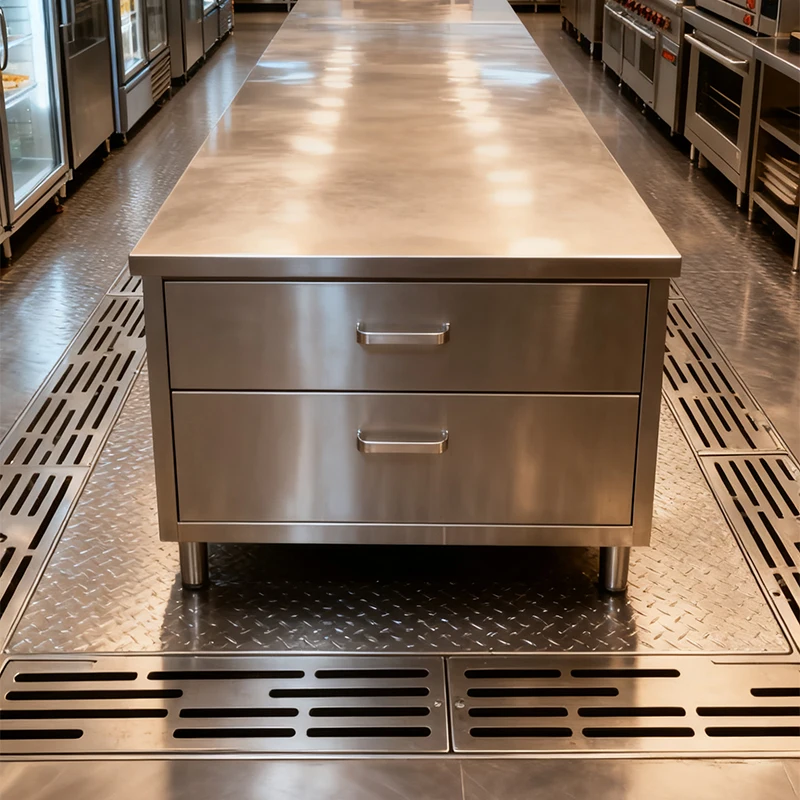
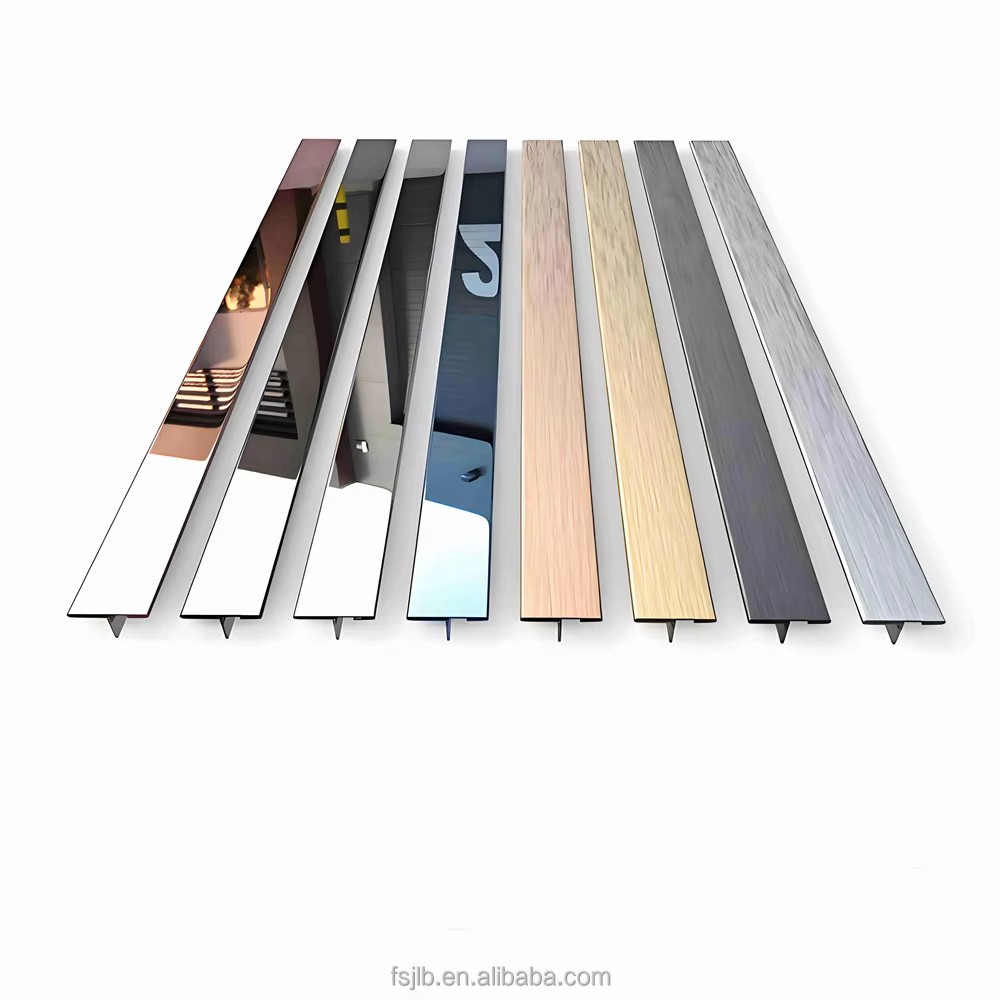
Stainless steel edge banding represents a premium finishing solution that transforms ordinary furniture and architectural elements into sophisticated, professional-grade installations. This specialized trimming material consists of thin stainless steel strips designed to cover and protect exposed edges of various substrates, including plywood, particleboard, MDF, and other composite materials. The primary function of stainless steel edge banding extends beyond mere aesthetics, serving as a protective barrier against moisture infiltration, impact damage, and everyday wear that could compromise the integrity of furniture pieces and cabinetry. Technologically, modern stainless steel edge banding incorporates advanced manufacturing processes that ensure consistent thickness, precise dimensions, and superior adhesion properties. The material typically features a brushed or polished finish that complements contemporary design trends while maintaining exceptional durability. Manufacturing techniques include precision rolling, surface treatment processes, and quality control measures that guarantee uniform appearance and performance characteristics. The backing systems employed in stainless steel edge banding often utilize hot-melt adhesives or pressure-sensitive adhesives that create permanent bonds with substrate materials. Applications for stainless steel edge banding span numerous industries and environments where hygiene, durability, and visual appeal converge. Commercial kitchens rely heavily on this material for countertops, cabinet faces, and work surfaces where food safety regulations demand non-porous, easily cleanable surfaces. Healthcare facilities utilize stainless steel edge banding for laboratory furniture, medical cabinetry, and sterilization equipment housing. Retail environments benefit from the professional appearance and longevity that stainless steel edge banding provides for display fixtures, checkout counters, and storage systems. Residential applications continue expanding as homeowners seek commercial-grade finishes for kitchen islands, bathroom vanities, and custom furniture projects. The versatility of stainless steel edge banding makes it suitable for both interior and exterior applications, withstanding environmental challenges while maintaining its lustrous appearance and structural integrity over extended periods.

New Products

Stainless steel edge banding delivers exceptional corrosion resistance that surpasses traditional wood or plastic alternatives, making it the ideal choice for environments exposed to moisture, chemicals, and temperature fluctuations. This superior resistance stems from the inherent properties of stainless steel alloys, which form a protective oxide layer that prevents rust formation and maintains structural integrity even under harsh conditions. Users benefit from significantly reduced maintenance requirements, as stainless steel edge banding resists staining, discoloration, and degradation that commonly affect other edging materials. The longevity factor provides substantial cost savings over time, eliminating frequent replacement needs and reducing downtime associated with maintenance activities. Hygiene advantages position stainless steel edge banding as the preferred choice for food service establishments, medical facilities, and cleanroom environments. The non-porous surface prevents bacterial growth and facilitates thorough sanitization using standard cleaning protocols. Unlike wood-based edge banding that can harbor contaminants in microscopic crevices, stainless steel maintains a smooth, impermeable barrier that meets stringent health department requirements. This characteristic proves invaluable for businesses operating under strict regulatory oversight where contamination control directly impacts operational licensing and customer safety. Installation efficiency represents another significant advantage, as modern stainless steel edge banding systems accommodate various application methods including adhesive backing, mechanical fastening, and heat-activated bonding. Professional installers appreciate the material's flexibility during application, allowing for clean radius corners and precise fitting around complex geometries. The consistent thickness and dimensional stability eliminate common installation challenges associated with natural materials that may warp or expand during handling. Aesthetic versatility enhances design possibilities, offering multiple finish options from mirror-bright polished surfaces to subtle brushed textures that complement diverse architectural styles. Color consistency remains uniform across production batches, ensuring seamless appearance in large-scale projects where multiple pieces must match perfectly. The reflective properties of stainless steel edge banding contribute to improved lighting conditions in work environments, reducing eye strain and creating brighter, more welcoming spaces. Fire resistance capabilities provide additional safety benefits, as stainless steel edge banding maintains structural integrity at elevated temperatures and does not emit toxic fumes during exposure to heat sources, making it compliant with building codes requiring fire-resistant materials in commercial and institutional applications.

Practical Tips

Why Is Stainless Steel Grating Ideal for High-Load Environments?

17

Dec

Why Is Stainless Steel Grating Ideal for High-Load Environments?

In industrial and commercial environments where heavy loads and constant traffic are the norm, selecting the right flooring and drainage solutions becomes critical for operational safety and efficiency. Stainless steel grating has emerged as the pref...
View More
How Do Stainless Steel Rainwater Grates Improve Drainage Efficiency?

11

Feb

How Do Stainless Steel Rainwater Grates Improve Drainage Efficiency?

Modern urban infrastructure faces increasing challenges from unpredictable weather patterns and heavy rainfall events. Effective drainage systems have become critical components in protecting buildings, roadways, and landscaped areas from water damag...
View More
Where Are Linear Drainage Ditches Most Effective in Construction Projects?

17

Feb

Where Are Linear Drainage Ditches Most Effective in Construction Projects?

Construction projects across various industries require efficient water management systems to prevent structural damage, erosion, and safety hazards. Among the most versatile and effective solutions available today is the linear drainage ditch, a spe...
View More
When Should You Replace Stainless Steel Grating?

25

Feb

When Should You Replace Stainless Steel Grating?

Industrial facilities and commercial buildings rely heavily on durable drainage solutions, with stainless steel grating serving as a critical component in maintaining proper water management systems. Understanding when to replace these essential elem...
View More

Get a Free Quote

Our representative will contact you soon.
Email
Name
Company Name
Message
0/1000

stainless steel edge banding

Unmatched Durability and Longevity Performance

Unmatched Durability and Longevity Performance

Stainless steel edge banding stands as the ultimate solution for long-term performance in demanding applications where traditional edging materials fail to deliver adequate service life. The metallurgical composition of high-grade stainless steel alloys used in edge banding manufacturing creates a material that withstands decades of continuous use without showing signs of wear, degradation, or performance decline. This exceptional durability stems from the chromium content that forms a self-healing passive layer, automatically repairing minor surface damage and preventing corrosion progression that would compromise lesser materials. Commercial establishments benefit tremendously from this longevity, as initial investment costs become negligible when distributed across the extended service life that stainless steel edge banding provides. Food service operations report substantial savings in replacement costs and labor expenses associated with maintenance and repairs when compared to plastic or wood-based alternatives. The material's ability to withstand repeated cleaning with harsh chemicals and sanitizers ensures compliance with health regulations while maintaining its professional appearance. Impact resistance characteristics allow stainless steel edge banding to absorb significant physical abuse without denting, cracking, or separating from substrate materials, making it ideal for high-traffic environments such as hospitals, schools, and retail facilities. Temperature stability ensures consistent performance across extreme thermal conditions, from commercial freezer applications to heated food service areas, without expansion, contraction, or material failure. This thermal stability proves particularly valuable in laboratory settings where precise dimensional requirements must be maintained regardless of environmental conditions. The fatigue resistance of stainless steel edge banding exceeds that of alternative materials by orders of magnitude, withstanding millions of stress cycles without developing stress fractures or joint failures that could compromise hygiene or structural integrity.
Superior Hygiene and Cleanability Standards

Superior Hygiene and Cleanability Standards

Stainless steel edge banding sets the industry standard for hygienic performance in environments where contamination control represents a critical operational requirement. The non-porous surface structure eliminates microscopic hiding places where bacteria, viruses, and other pathogens could establish colonies and multiply, providing a truly sanitizable surface that meets the most stringent cleanliness protocols. Healthcare facilities rely on this characteristic for surgical instrument storage, pharmaceutical preparation areas, and patient care equipment where cross-contamination could have life-threatening consequences. Food processing operations benefit from the material's ability to withstand aggressive cleaning chemicals and high-temperature steam sanitization without surface degradation or chemical leaching that could contaminate food products. The smooth surface finish facilitates rapid cleaning procedures, reducing labor costs and improving operational efficiency in busy commercial kitchens where time constraints make thorough sanitation challenging with textured or porous materials. Chemical resistance properties ensure that stainless steel edge banding maintains its integrity when exposed to acids, bases, solvents, and disinfectants commonly used in industrial cleaning processes. This resistance prevents the material from absorbing or retaining cleaning chemicals that could create odors or contaminate subsequent food contact or medical applications. Laboratory environments particularly value the inert nature of stainless steel edge banding, which prevents interference with sensitive analytical procedures or contamination of research samples. The ease of validation and verification of cleaning effectiveness provides quality assurance managers with confidence in their sanitation protocols, as visual inspection and standard testing methods readily confirm the cleanliness status of stainless steel surfaces. Maintenance personnel appreciate the simplified cleaning procedures that require only basic tools and standard cleaning supplies, eliminating the need for specialized maintenance equipment or exotic cleaning chemicals that increase operational costs and complexity.
Exceptional Design Flexibility and Aesthetic Appeal

Exceptional Design Flexibility and Aesthetic Appeal

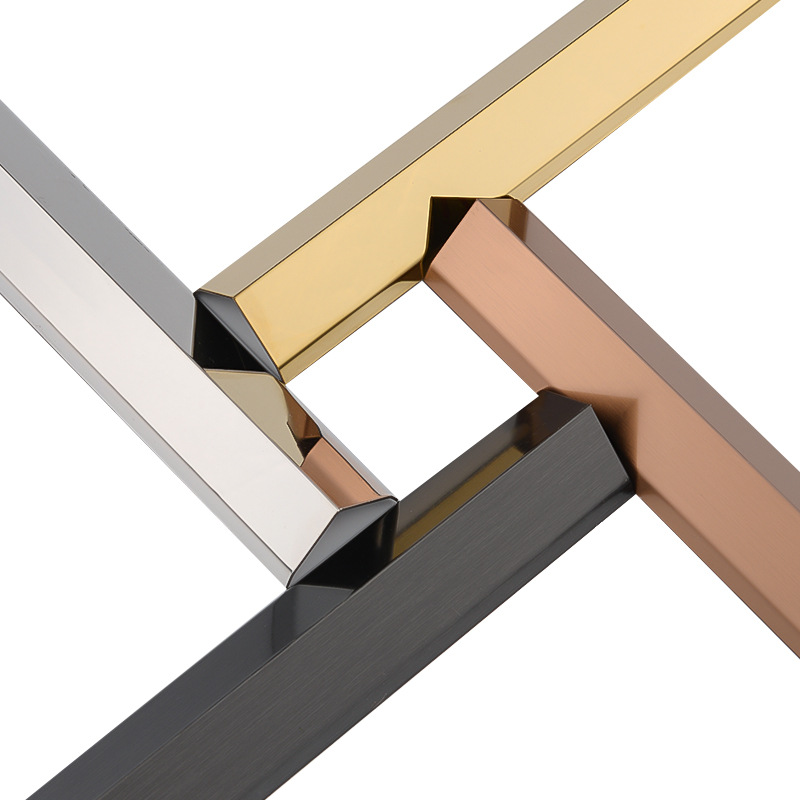
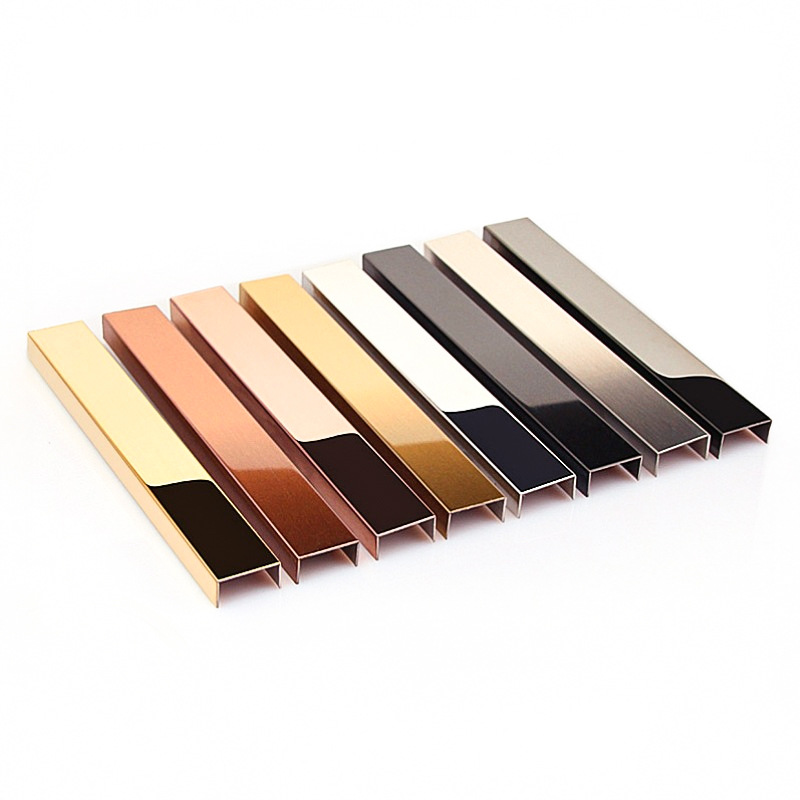
Stainless steel edge banding offers unparalleled design versatility that enables architects, designers, and fabricators to achieve sophisticated aesthetic goals while maintaining functional performance requirements. The range of available finishes includes mirror-bright polished surfaces that create dramatic visual impact in upscale retail environments, subtle brushed textures that provide understated elegance in professional settings, and specialized patterns that add unique character to custom installations. This finish variety allows design professionals to specify stainless steel edge banding that perfectly complements existing architectural elements while providing the desired level of visual prominence or discretion. Color stability ensures that the specified appearance remains consistent throughout the product's service life, eliminating concerns about fading, discoloration, or patina development that could compromise the intended design aesthetic. The reflective properties of polished stainless steel edge banding contribute significantly to interior lighting strategies, amplifying available light sources and creating brighter, more energetic environments that enhance productivity and user experience. Formability characteristics allow stainless steel edge banding to accommodate complex geometric requirements including tight radius curves, angular transitions, and compound bends that would be impossible with rigid alternative materials. This formability enables designers to create seamless, continuous edge treatments on curved surfaces, cylinder installations, and artistic architectural features without visible joints or interruptions that could detract from the overall visual impact. The material's ability to accept secondary fabrication processes such as perforating, embossing, and laser cutting opens additional design possibilities for creating custom patterns, logos, or functional features integrated directly into the edge banding. Professional appearance characteristics make stainless steel edge banding the preferred choice for high-end commercial installations where visual quality directly impacts brand perception and customer experience. The association of stainless steel with quality, precision, and technological sophistication enhances the perceived value of furniture and architectural elements, making it an investment in brand positioning as well as functional performance. Compatibility with various substrate materials and adhesive systems ensures that design concepts can be implemented across diverse applications without compromising installation integrity or long-term performance expectations.

Get a Free Quote

Our representative will contact you soon.
Email
Name
Company Name
Message
0/1000