custom - shaped stainless steel inlay strip
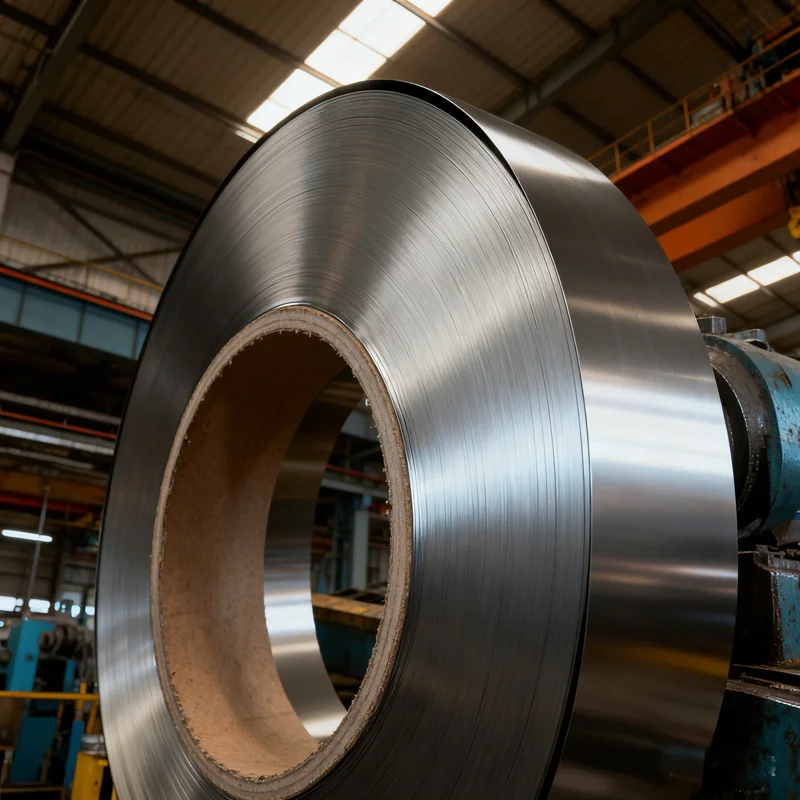
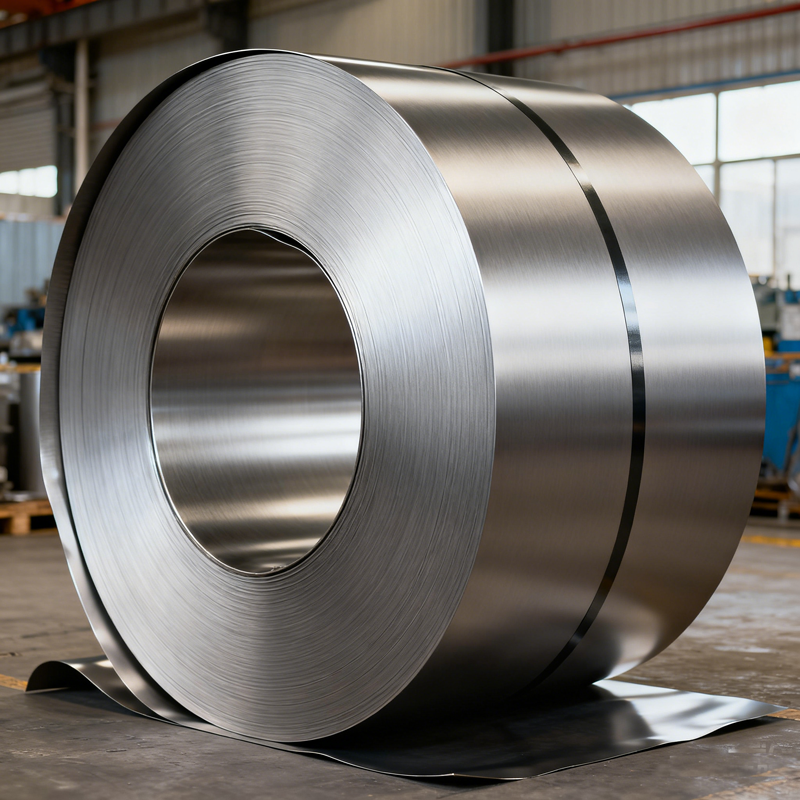
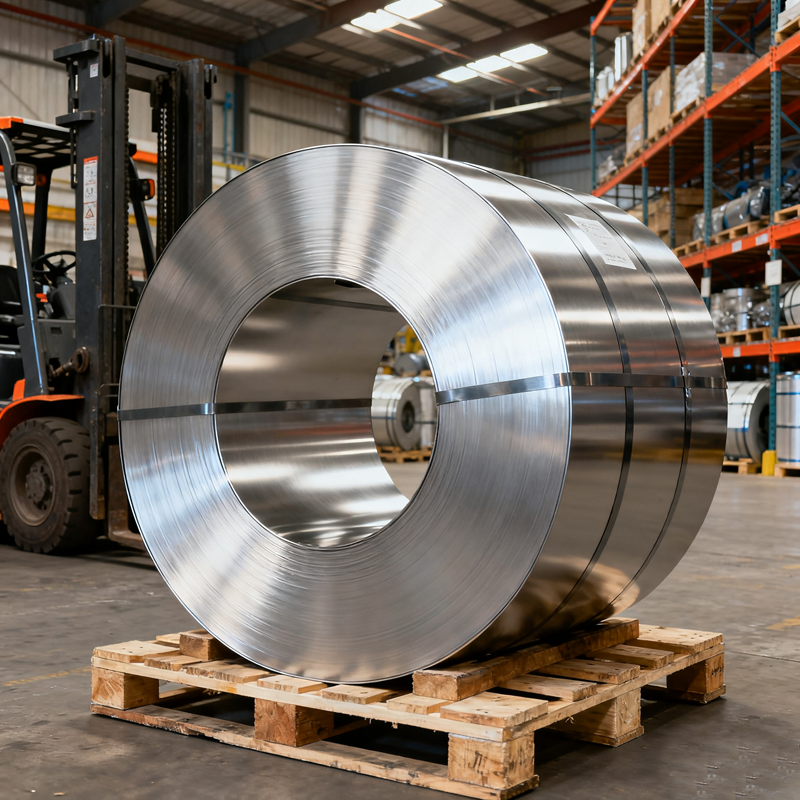
The custom-shaped stainless steel inlay strip represents a sophisticated solution for modern manufacturing and design applications. This precision-engineered product combines durability with aesthetic appeal, making it an ideal choice for industries requiring both functionality and visual excellence. A custom-shaped stainless steel inlay strip is manufactured from premium-grade stainless steel, ensuring exceptional corrosion resistance and longevity in demanding environments.
The primary function of a custom-shaped stainless steel inlay strip involves providing decorative and protective edging solutions across various applications. Whether integrated into architectural elements, furniture design, or industrial equipment, this versatile component delivers reliable performance. The custom-shaped stainless steel inlay strip features precision cutting technology that enables manufacturers to create virtually any profile or dimension required for specific projects.
Technologically, the custom-shaped stainless steel inlay strip incorporates advanced manufacturing processes including CNC machining, grinding, and polishing. These processes ensure consistent quality, accurate dimensional tolerances, and flawless surface finishes. The stainless steel composition provides natural resistance to rust, staining, and degradation, extending the product's lifespan significantly.
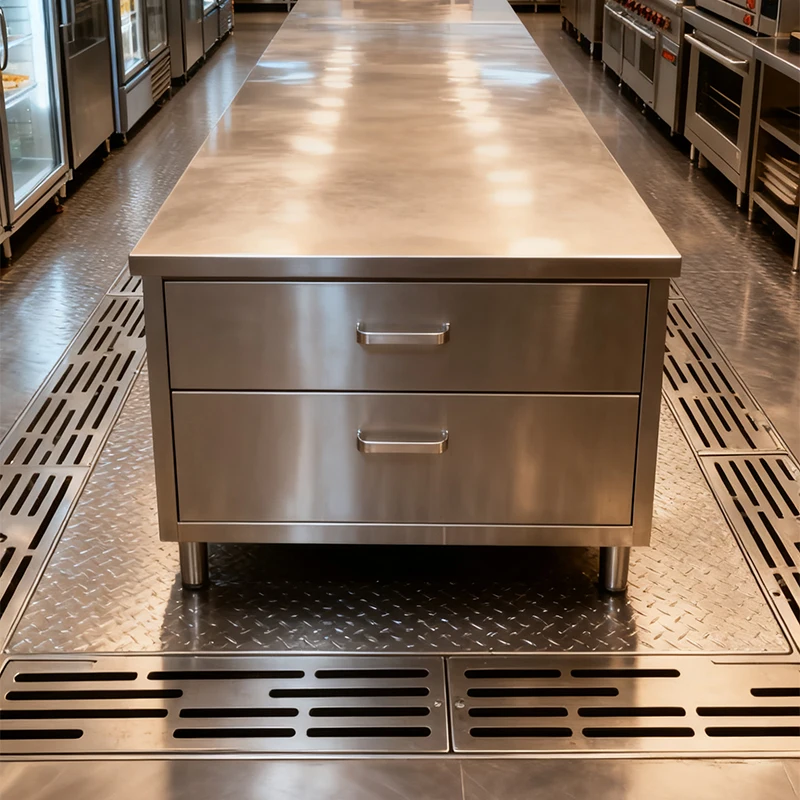
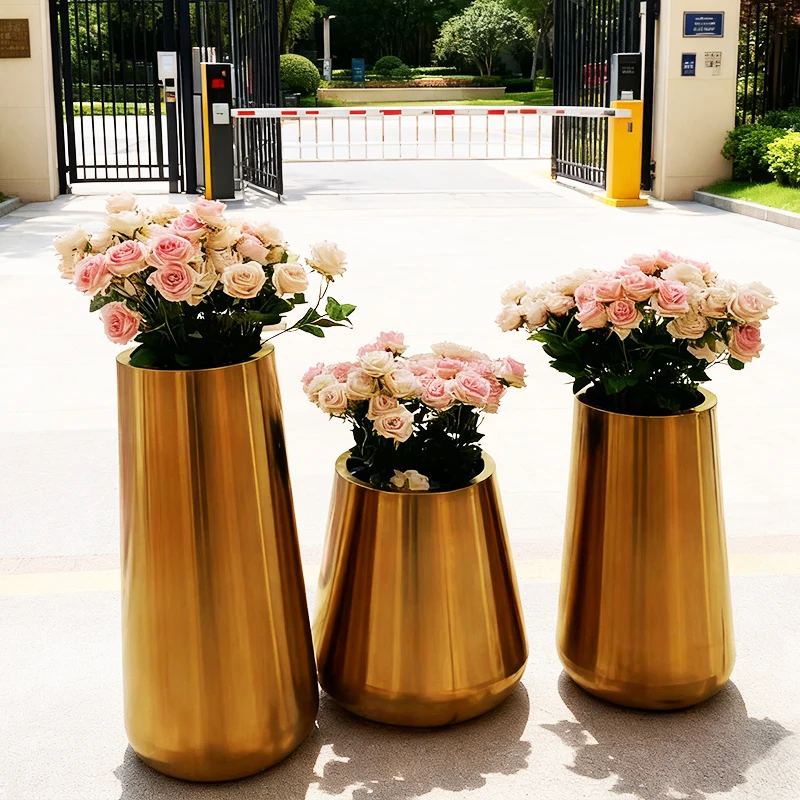
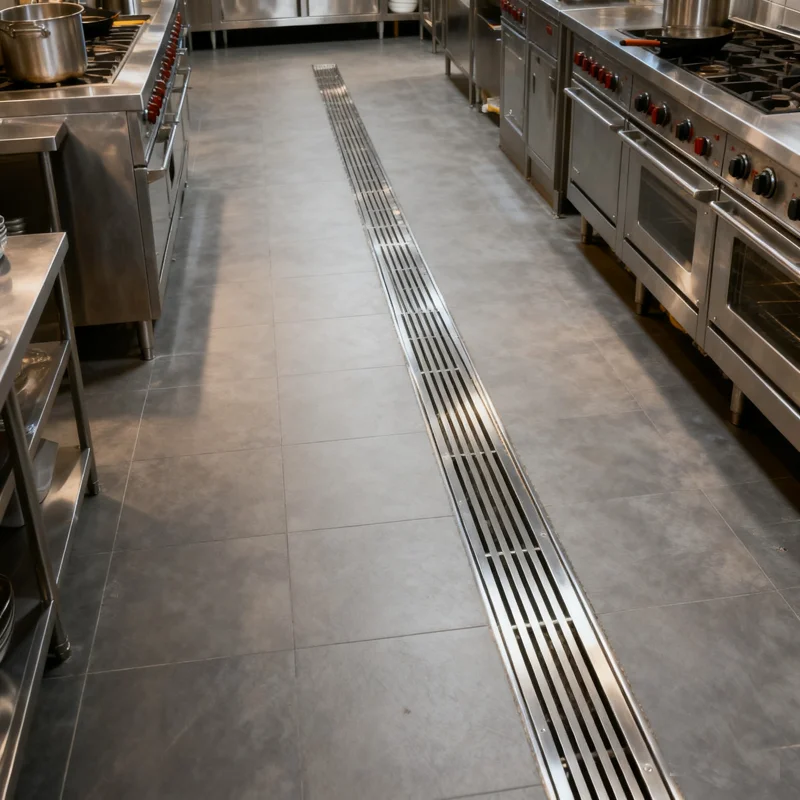
Applications for the custom-shaped stainless steel inlay strip span multiple industries. Architecture utilizes this component for trim work and decorative elements. The furniture industry benefits from enhanced visual appeal and durability. Kitchen and bathroom installations leverage its hygienic properties and elegant appearance. Additionally, industrial sectors employ the custom-shaped stainless steel inlay strip for protective edging and functional components requiring superior material performance and reliable structural integrity.

 EN
EN