volubilis aegis inox 316
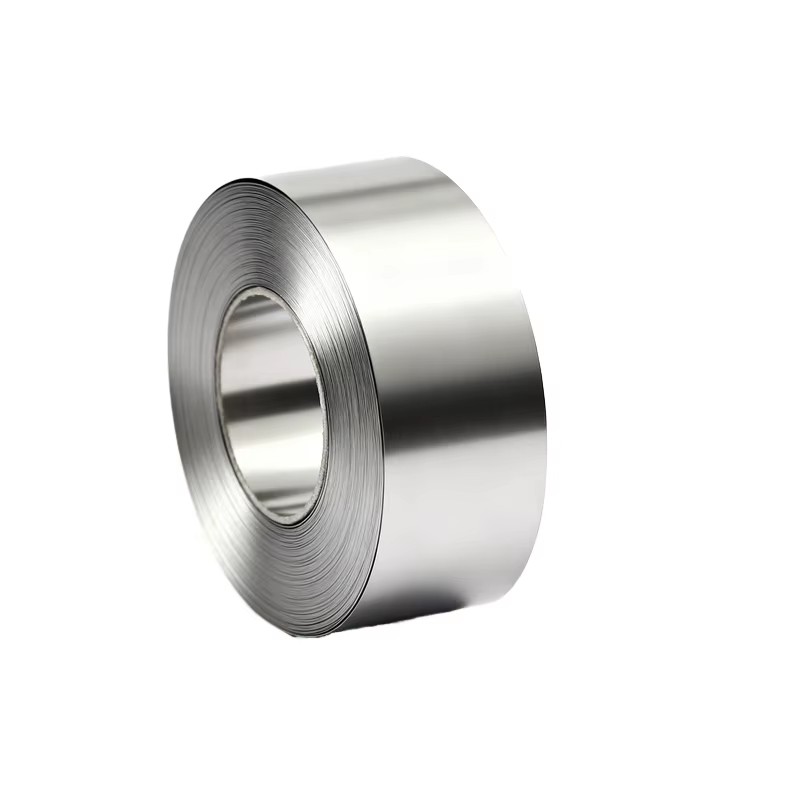
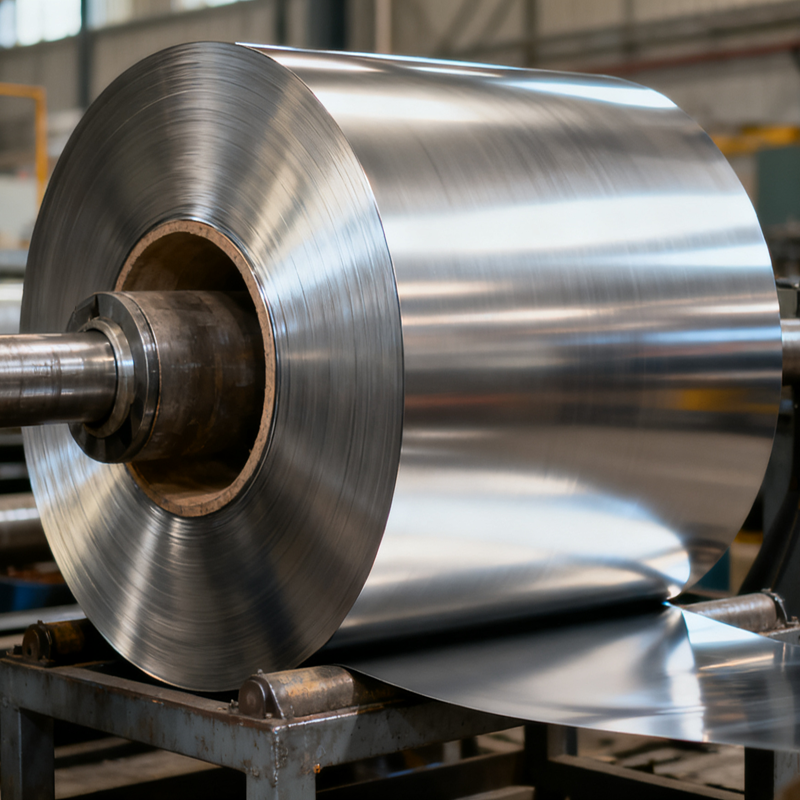
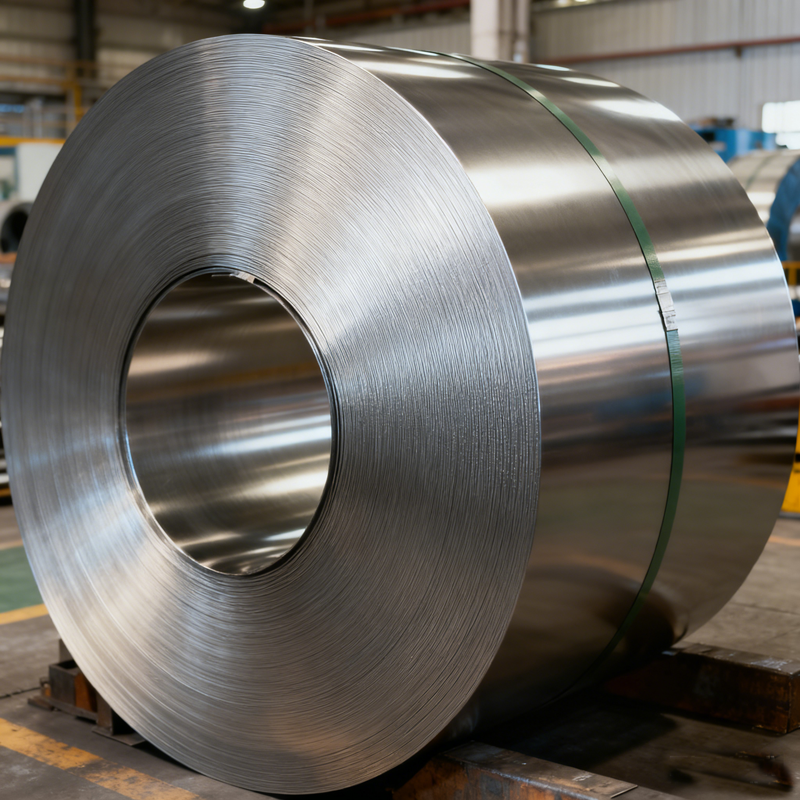
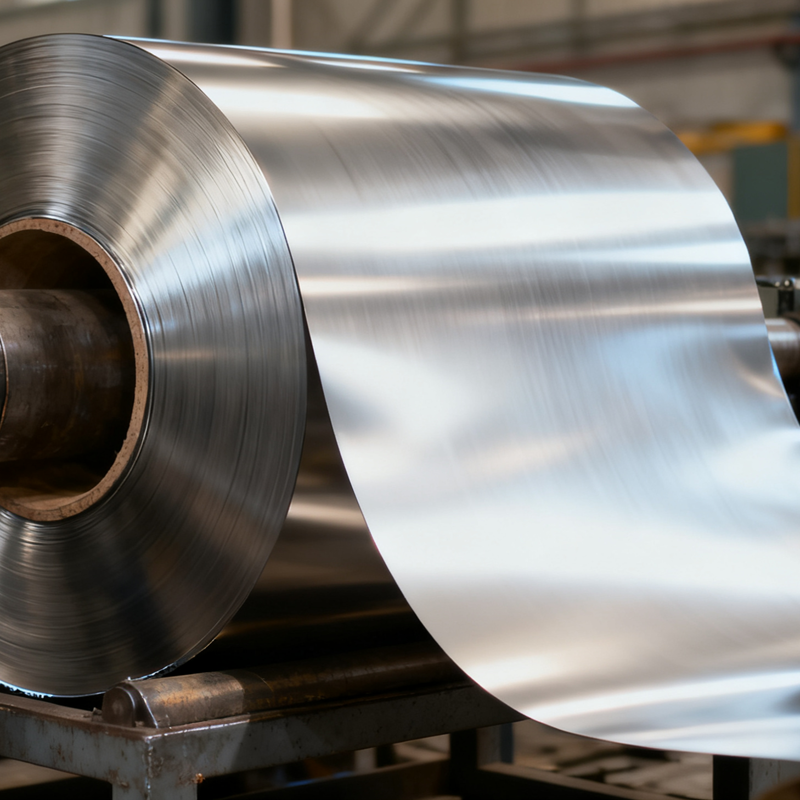
Bobina ex acciaio inox 316 repraesentat optio praemium pro industriae quae eximiam resistentiam ad corrosionem et durabilitatem postulant. Hoc materiale specialis ferro, chro-mio, nickelio et molibdeno componitur, ut aleatio robusta efficiatur quae optiones acciai inox communis superat. Bobina ex acciaio inox 316 praestat praestantissime in ambien-tibus asperis, praesertim in applicationibus quae chloridis et condicionibus acidis exponuntur. Praecipua technicae proprietates bobinae ex acciaio inox 316 includunt augmentatam resistentiam ad corrosionem punctiformem et interstitialem, quare idonea est pro aedificiis maritimis et processibus chemicis. Contentum molibdeni in bobina ex acciaio inox 316 notabiliter meliorat eius facultatem adversus impetus chemicos acer-bos comparata cum gradibus communibus. Hoc materiale vim egregiam retinet per varia intervalla temperaturarum, ut certa sit praestatio in applicationibus exigentibus. Bobina ex acciaio inox 316 late usurpatur in multis industriae, inter quas processus petrochimici, fabricatio pharmaca, instrumenta pro elaboratione ciborum, et opera infrastructurae littoralis. Excellentis eius facultas soldandi et formandi permittit fabri-catoribus componentes complexos creare sine integritate materiae minuenda. Bobina ex acciaio inox 316 etiam praebet praestantem pulchritudinem, quare apta est ad applicationes architectonicas visibiles. Industriae constanter eligit bobinam ex acciaio inox 316 pro applicationibus ubi longaevitas et fiducia directe influunt in successum operativum. Sive tubos, laminas metallicas, sive fabricata complexa requiras, hoc materiale praestationem constantem praebet. Investitus in bobinam ex acciaio inox 316 probatur oeconomicus per longiorem vitam functionalem et exigua requisita pro conservatione, unde electio praeferranda est pro applicationibus criticis quae praestantissimam qualitatem et normas fiduciales praestare debent.

 EN
EN